
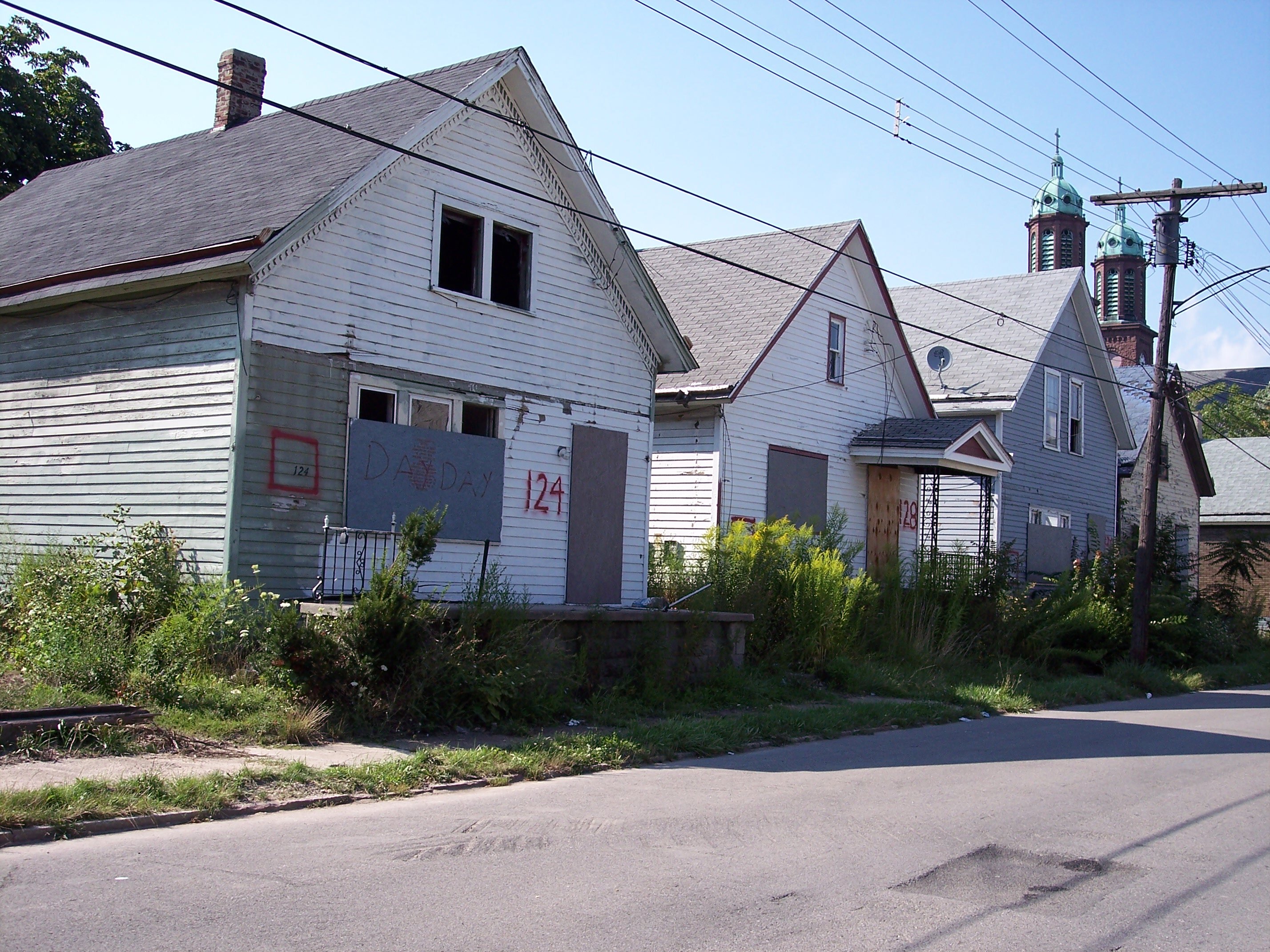
A notice appears on your Buffalo house saying it is unsafe, unfit for occupancy, or subject to possible demolition. You may already know the building needs major work, but an official order changes the situation. Now there are questions about who can enter, what the City expects, whether the property can still be sold, and who will pay if the building is demolished.
You may be able to sell a condemned house in Buffalo, NY, even while a City order remains unresolved. A condemnation designation generally restricts the building’s use; it does not by itself mean the City has acquired ownership. But a buyer cannot simply disregard an unsafe-building order, and transferring the deed does not necessarily cancel existing municipal charges or your obligations.
Before pricing the property or signing a contract, identify the exact notice and deadline. This guide focuses on official condemnation, occupancy restrictions, and demolition proceedings—not ordinary repair issues covered in our Buffalo code-violations guide.
Quick Answer: Can You Legally Sell a Condemned House?
Often, yes—provided you still own the property and the transaction can satisfy applicable legal and title requirements. The buyer must understand the building’s condition, existing City orders, occupancy restrictions, and any required corrective action. A lender may decline to finance the purchase, so the available buyer pool can be limited.
Whether closing can proceed depends on the particular order, recorded notices, municipal charges, liens, and the contract. Have a Buffalo real estate attorney review these before you accept an offer. Never advertise a condemned dwelling as safe or available for occupancy unless the appropriate authority has cleared that restriction.
What Does “Condemned” Mean in Buffalo?
People sometimes call any neglected or badly damaged house “condemned.” Officially, the words on the City’s paperwork matter more than the nickname.
Under Buffalo Housing Standards Chapter 242, a dwelling may be declared unfit for human habitation and required to be vacated or brought into compliance. A building can also be addressed under Chapter 113, Buildings, Unsafe, which provides procedures involving unsafe structures, notices, repairs, and possible removal or demolition.
An unsafe or unfit designation is different from a routine citation for a missing handrail. It is also not necessarily a final demolition order. One property may be repairable, another may require extensive stabilization, and a third may present an immediate public-safety danger.
Nor is condemnation for dangerous conditions the same as an eminent-domain taking, where government acquires property for a public purpose. Do not assume your deed has changed hands because an inspector posted a notice.
Unsafe Building, Unfit for Occupancy, or Demolition Order?
| Document or condition | What it generally means |
|---|---|
| Code violation | A condition needs correction; it does not automatically prohibit occupancy |
| Unsafe-building notice | The City identifies danger and may order repair, securing, removal, or demolition |
| Unfit-for-habitation placard | The dwelling cannot be used for human habitation until the City removes the restriction |
| Repair-or-demolish order | Specific work and deadlines apply; failure to comply can trigger City action |
| Emergency action | An immediate danger may require prompt vacating or City intervention without ordinary delays |
The exact document controls. If you’re dealing only with ordinary building violations, see Can I Sell a House With Code Violations in Buffalo? rather than treating the property as condemned.
How Buffalo’s Unsafe-Building Process Works
The City of Buffalo’s Department of Permit and Inspection Services (DPIS) investigates building conditions and can issue notices to repair or demolish. Its District Inspections office can help owners identify inspections and property-specific orders.
Notices and Hearings Under Chapter 113
Under Chapter 113, an inspector’s report can lead to a written notice identifying dangerous conditions and requiring repair, removal, or demolition. The chapter provides for a hearing generally scheduled between five and ten days after service of the notice. It also describes a 30-day period from service relevant to compliance and potential City action.
That is not a guaranteed 30-day grace period for every condemned house. Different rules apply to housing-standard placards, and immediate hazards can trigger emergency work. Don’t calculate your deadline from an article or verbal conversation; read the dated notice with your attorney.
If the City affirms or modifies an order following a hearing, the resulting requirements remain important even if you plan to sell. Chapter 113 also allows the City to assess certain repair or demolition costs against the land.
Occupancy Restrictions Under Chapter 242
Under § 242-9, Unfit Dwellings, a dwelling condemned as unfit for human habitation and placarded cannot be used for human habitation until the Commissioner removes the placard. Emergency hazards can require immediate vacating. Under § 242-10 of Buffalo’s Housing Standards Code, a written hearing petition generally must be filed within five days after the notice or order is issued to require a hearing. The hearing must begin within 10 days after filing. Emergency orders remain immediately effective.
This means a buyer may purchase a property intending to rehabilitate it, but cannot simply move in or rent it while a prohibition remains. The same is true for a seller who wants to allow last-minute occupancy before closing.
Buffalo’s 2026 “Stabilization First” Policy: Does It Help?
Buffalo introduced a Stabilization First Demolition Diversion Policy in 2026, following a temporary demolition moratorium. The policy prioritizes preserving viable buildings through securing, weatherproofing, and stabilization when feasible, rather than treating demolition as the automatic answer.
That development matters to owners of older homes with repair potential. You can ask DPIS whether a professional stabilization plan would be considered for your particular property, and what documentation it needs.
The policy does not cancel an existing order or guarantee a grant, extension, or approval. Emergency public-safety action and demolition remain possible. Discuss a realistic rehabilitation proposal before assuming the property can be saved.
What to Do Immediately After Receiving a Condemnation Notice
1. Obtain the Complete Written Order
Keep the posted notice, mailed letters, inspection findings, and hearing documents together. Identify the issuing department, code section, service date, required action, and deadlines. Ask whether the order affects the whole property or only certain areas.
Don’t guess from a neighbor’s description or from a listing that labels the house “uninhabitable.” Request the City’s actual records.
2. Protect People Before Scheduling Showings
If the building is placarded, structurally unstable, or subject to an occupancy restriction, don’t invite buyers inside as though it were a normal showing. Ask DPIS and qualified professionals what access is permitted. Photographs, reports, and a safe exterior viewing may initially be more appropriate.
Never remove an official placard or let anyone occupy a dwelling while a lawful restriction remains. If tenants or other occupants are involved, seek legal advice and coordinate any required relocation or safety steps with the issuing authority.
3. Confirm the Status Directly With Buffalo
The City’s District Inspections division states that inspection records are publicly available. Owners can ask about records at 716-851-4949 or Room 304, City Hall, 65 Niagara Square, Buffalo. Verify current instructions before visiting.
The OpenData Buffalo code-violations dataset may help identify background issues, but the City cautions that its open-data information is not a substitute for official records. Request direct confirmation of the outstanding order and any proposed action.
4. Get an Independent Repair or Stabilization Opinion
If the City permits safe access, consult an appropriately qualified engineer or contractor experienced with distressed buildings. Ask for a written scope distinguishing emergency stabilization from full rehabilitation, along with necessary permits and likely contingencies.
An inspection can reveal whether a compromised porch, roof, or wall is repairable. Our Buffalo structural-damage guide provides more detail on assessing damage, but the City’s official requirements come first.
5. Speak With a New York Real Estate Attorney
Have the attorney review the order, hearing or enforcement status, title, outstanding mortgages, municipal charges, and possible sale language. A contract should make clear who is responsible for specified corrective work and what happens if the City acts before closing.
Do this before relying on a proposed buyer’s promise to “take care of everything afterward.”
4 Options for Selling or Resolving a Condemned House in Buffalo
Option 1: Repair and Obtain Clearance Before Selling
If the structure can be made safe at a financially sensible cost, you may choose to stabilize or rehabilitate it. The City may require plans, permits, inspections, and confirmation that conditions have been corrected before an occupancy restriction is removed.
Request written requirements rather than assuming that completed contractor work automatically removes a placard. A permitted repair project may involve inspections at specific stages. See Buffalo’s building-permit guidance and our guide to selling with an open building permit.
This approach may widen the buyer pool, but the total cost should include professional reports, permits, unforeseen deterioration, carrying expenses, and time—not just the initial repair bid.
Option 2: List the Condemned Property on the Open Market
An agent experienced with distressed properties may help market the house to rehabilitation specialists, developers, and investors. Wider exposure could attract competing offers, although occupancy restrictions, financing limitations, and municipal deadlines may reduce the available buyer pool.
Marketing the property as-is does not suspend City enforcement or eliminate disclosure obligations. Before listing, confirm that the marketing period is realistic given the outstanding order. Our Buffalo as-is selling guide explains the broader selling considerations.
Option 3: Evaluate Lawful Demolition and Sale of the Land
For a structure beyond economical repair, demolition may be an option or an existing requirement. But Buffalo demolition is not simply hiring someone with an excavator.
The City’s demolition guidance describes permit review, preservation considerations, asbestos surveying, utility disconnections, and other potential requirements. Nonemergency permit applications generally involve a review period; emergency situations differ. Ask the City what applies to your parcel before assuming you can schedule work.
Compare demolition costs and the expected land value with an offer for the property in its present condition. Some lots may have redevelopment potential; others have physical, zoning, or financial constraints. A vacant lot can also continue generating taxes and maintenance obligations.
Option 4: Request a Direct Cash Offer
A direct buyer may be willing to evaluate a severely damaged Buffalo property without requiring ordinary retail showings or seller-completed renovation. Shamrock Home Buyers can discuss properties with major condition challenges and provide a no-obligation offer when the situation fits its buying criteria.
A cash offer, however, does not invalidate condemnation, eliminate demolition expenses, or guarantee a closing before enforcement action. Confirm available funds, contingencies, proposed deadlines, who pays existing charges, and how unresolved City orders are handled. Learn how Shamrock’s buying process works before comparing written terms.
Buffalo Example: Comparing the Costs of Repair, Demolition, and an As-Is Sale
Consider a hypothetical vacant house in the Broadway-Fillmore area. The owner receives an unsafe-building order and obtains estimates after confirming access is permitted. The following figures illustrate how different decisions could affect proceeds—not actual prices, offers, or guaranteed municipal costs.
| Assumed outcome | Repair, then sell | Demolish, sell lot | Sell as-is |
|---|---|---|---|
| Sale price | $155,000 | $38,000 | $58,000 |
| Repair or demolition cost | $66,000 | $23,000 | $0 |
| Selling/closing expenses | $10,000 | $3,000 | $1,000 |
| Extra holding and securing | $7,000 | $4,000 | $2,000 |
| Illustrative net before debt, taxes and charges | $72,000 | $8,000 | $55,000 |
These figures are hypothetical, not an actual Shamrock transaction or a statement of typical Buffalo prices. They exclude mortgage payoffs, property taxes, liens, outstanding municipal charges, and other case-specific costs.
The repair scenario has the highest potential net proceeds under these assumptions, but only if the work is feasible, approved, and completed within budget. The as-is scenario avoids renovation spending but assumes a qualified buyer agrees to the risks and contract terms.
Municipal assessments, unpaid taxes, mortgage payoffs, remediation, or a change in the City’s order could materially alter every column. Have a professional prepare a transaction-specific estimate rather than treating this example as a price guide.
Insurance and Winter Maintenance Before Closing
Ask your insurer how condemnation, prolonged vacancy, and restricted access affect coverage. Don’t assume an existing homeowners policy still covers every risk, and don’t cancel it merely because a buyer signed an offer.
In Buffalo’s freezing weather, utility interruptions can worsen damage, but nobody should enter an unsafe building just to winterize plumbing. Coordinate any permitted securing, heating, or utility work with qualified professionals and the City. Record the ongoing cost of protecting the site while ownership remains yours.
Who Is Responsible for Demolition Costs, Fines, and Liens in Buffalo?
This question can change a proposed deal. Under Buffalo’s Unsafe Buildings Chapter 113, specified City repair, removal, and demolition expenses may be assessed against the land. Certain notices may also be filed with the Erie County Clerk, creating a public-record issue that the closing attorney must investigate.
Buffalo’s Assessment and Taxation Department maintains records of taxes, sewer rents, and local assessments, including demolition charges. Ask for current balances and pending charges—an old online balance may not include recent enforcement work.
Have a title professional review Erie County Clerk land records for mortgages, judgments, liens, and recorded notices. Our Buffalo lien guide explains why a purchase contract alone does not clear claims against a property.
Under Buffalo Code § 113-14, certain owners, occupants, mortgagees in possession, or parties exercising control when a property deteriorated may be personally liable for City demolition costs, including applicable water and sewer disconnection charges.
Selling the property does not automatically extinguish that personal liability. Have your attorney establish which obligations must be resolved before closing.
Must You Disclose Condemnation When Selling As-Is?
Yes, you should accurately disclose known official orders and restrictions, and comply with applicable statutory duties. Under New York Real Property Law § 462, most covered one- to four-family residential sales require a Property Condition Disclosure Statement before a binding contract, subject to statutory exemptions in § 463.
The law expressly allows parties to agree to an as-is sale, but as-is wording is not permission to make false statements or conceal a known unsafe-building order. The former $500 disclosure-credit alternative is no longer available.
Give prospective buyers copies of notices, inspection reports, engineering findings, permit information, and known municipal charges. An attorney can determine how to describe disputed findings, pending hearings, or work that has already been completed.
If fire, water intrusion, or roof failure contributed to the condemnation, provide buyers with any available damage reports, insurance records, and professional repair assessments. Additional Shamrock resources cover fire-damaged homes, water damage, and roof damage.
Can a Buyer Get a Mortgage on a Condemned House?
Ordinary mortgage financing may be difficult when a building cannot legally be occupied or fails the lender’s property-condition requirements. Some purchasers use their own funds or specialized renovation financing, but approval depends on the program, lender, scope, and restrictions.
Do not advertise a renovation-loan solution as guaranteed. Ask a prospective financed buyer to confirm early whether the lender will consider the property’s actual status.
The property may also have mortgage debt that exceeds realistic proceeds. If so, our Buffalo guide to selling for less than you owe explains why a cash purchaser cannot simply forgive an existing lender’s balance.
Before Accepting an Offer, Check These Six Details
- Actual order: Does the contract identify the condemnation, unsafe-building, or demolition documentation?
- Access and occupancy: Does everyone understand which parts, if any, may lawfully be entered or used?
- Enforcement timing: Is a hearing, inspection, emergency action, or City work scheduled before closing?
- Costs and title: Are municipal assessments, mortgage payoffs, liens, and recorded notices accounted for?
- Buyer’s plan: Is the buyer funding repairs, stabilization, demolition, or land redevelopment, and is that plan realistic?
- Contract allocation: Who pays for securing the site, outstanding charges, and any additional City action before transfer?
These are negotiation and legal-review questions, not a substitute for the City’s requirements. Ask your attorney to document the agreed answers and address what happens if a deadline changes.
Frequently Asked Questions About Selling a Condemned House in Buffalo
1. Can I legally sell a condemned house in Buffalo, NY?
Yes, potentially. You must have legal authority to sell and satisfy applicable title and closing requirements. Existing City orders and occupancy restrictions remain enforceable.
2. Does a condemned house always have to be demolished?
No. Some condemned properties may qualify for repair or stabilization. Demolition may be required when serious hazards cannot be adequately resolved or the City orders removal.
3. Can someone legally live in a condemned house in Buffalo?
No, if the dwelling has been officially placarded as unfit for human habitation. Occupancy cannot resume until the appropriate City authority removes the restriction.
4. How long do I have to respond to a condemnation notice?
Deadlines depend on the type of notice and applicable code provisions. Some hearing requests have a five-day deadline, while emergency orders may take effect immediately.
5. Can I sell a condemned house as-is without making repairs?
Potentially. A buyer may accept the property’s existing condition and future repair obligations, but selling as-is does not cancel municipal orders or applicable disclosure requirements.
6. Who pays if the City of Buffalo demolishes my house?
The City may assess demolition expenses against the property. Certain responsible parties may also face personal liability, which selling the property does not automatically eliminate.
7. Can a cash buyer remove a condemnation order?
No. Only the appropriate public authority can modify or remove an official condemnation order. Paying cash does not bypass safety, occupancy, or municipal requirements.
8. Will Shamrock Home Buyers buy a condemned house?
Shamrock Home Buyers can evaluate condemned properties in the Buffalo area and discuss a no-obligation cash offer, subject to safety, title, municipal requirements, and acceptable purchase terms.
What to Do Next With a Condemned Buffalo House
An official unsafe-building notice is not the end of every sale opportunity, but it changes the order of decisions. First protect people, then verify the City’s order and deadlines, obtain a realistic assessment, and compare written financial outcomes. Don’t invest in a full renovation or promise a buyer immediate occupancy before the City explains what is permitted.
If repairing the building isn’t practical, Shamrock Home Buyers can discuss its current condition and whether a direct purchase might be possible. You’ll have the opportunity to review any written offer alongside the City’s requirements and advice from your own attorney.
Request a No-Obligation Cash Offer
This article is general educational information, not legal, engineering, safety, or financial advice. Codes and enforcement procedures can change, and an individual property’s notice may require different steps or immediate action. Contact the City of Buffalo and a qualified New York attorney for property-specific guidance.