
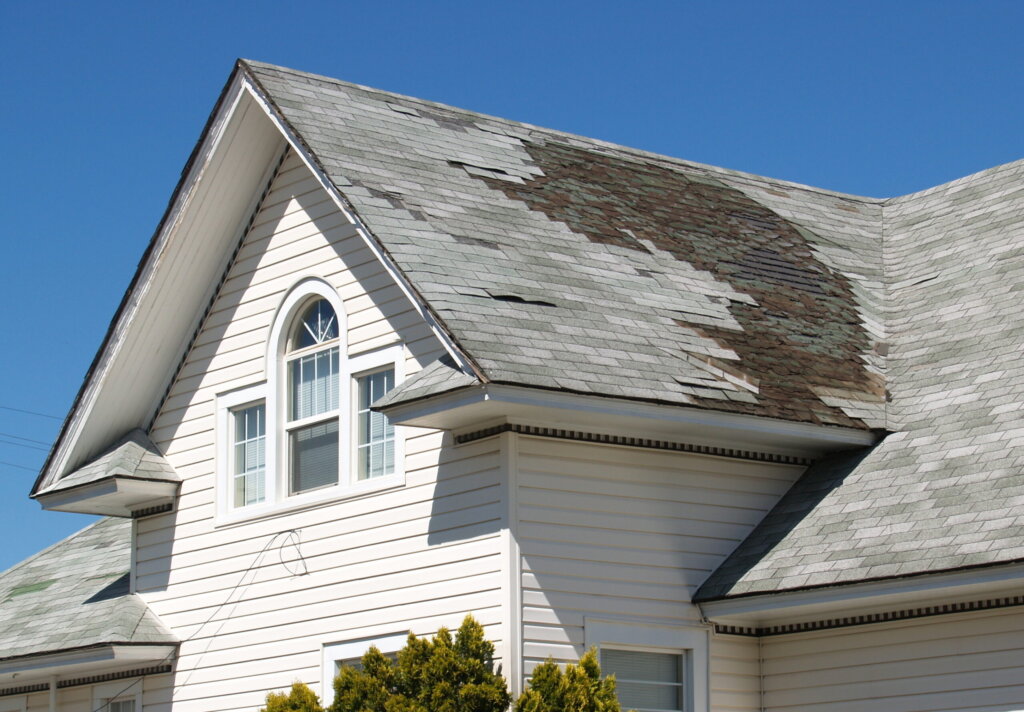
Selling a house with roof damage in Buffalo, NY, can feel overwhelming, especially when the problem involves an active leak, interior water damage, or an aging roof.
A damaged roof can reduce buyer interest and complicate inspections, financing, insurance, and repair negotiations, but it does not make the house impossible to sell.
You may repair the damage, offer a buyer credit, list as-is, or sell directly. The best choice depends on the roof, your budget, the property, and your timeline.
Quick Answer
You can sell a house with roof damage in Buffalo without replacing the roof first. Homeowners may repair the problem, list as-is, offer a credit, or sell directly. Compare net proceeds, timing, repair risk, and contract terms before choosing.
Why Roof Damage Can Complicate a Buffalo Home Sale
An old roof and a storm-damaged roof are not the same issue. A structurally sound roof may need only flashing or shingle repairs, while repeated leaks, soft decking, sagging sections, or wet insulation can require a much larger project.
Common Buffalo-area roof problems include:
- Missing, loose, or curling shingles
- Leaks around chimneys, vents, or skylights
- Damaged flashing or gutters
- Ice dams
- Rotting roof decking
- Attic moisture or wet insulation
- Ceiling and wall stains
- Wind, snow, or fallen-tree damage
- Problems hidden beneath multiple roofing layers
Western New York’s lake-effect snow, wind, ice, and freeze-thaw cycles place extra stress on older roofs. The National Weather Service warns that ice dams can prevent melting snow from draining properly and contribute to water intrusion.
Leaks are especially risky in vacant, inherited, or tenant-occupied properties because they may go unnoticed and cause wider interior damage.
Can You Sell a House Without Replacing the Roof?
Yes. A roof does not automatically have to be replaced before a Buffalo property can be sold.
A buyer and seller may agree to an as-is sale, with the buyer accepting the property’s current condition under the contract. However, “as-is” does not mean a seller may hide an active leak or misrepresent a known problem.
Under New York Real Property Law Section 462, sellers of covered residential properties generally must provide a Property Condition Disclosure Statement before a binding contract is signed. Certain court-ordered or estate-related transfers may be exempt.
Disclosure duties vary by transaction, so speak with a qualified New York real estate attorney before signing a contract.
What to Do Before Selling a House With a Bad Roof
1. Prevent more damage
If water is entering the house, move belongings, place containers beneath leaks, dry wet surfaces, photograph affected areas, and contact an emergency roofer when needed. Never climb onto a wet, icy, snow-covered, or unstable roof yourself.
2. Document the condition
Keep photographs, videos, roofing invoices, estimates, warranties, insurance correspondence, inspection reports, permit records, and code notices.
3. Get a professional assessment
Ask a qualified roofer or inspector to identify the leak source, roof age, decking condition, structural concerns, repair options, replacement need, estimated price, and expected timeline. Obtain more than one written estimate for substantial work.
4. Check local requirements
The City of Buffalo’s Permit and Inspection Services Department oversees permits, inspections, and code compliance for work on private property.
Before hiring a roofer, confirm whether a permit is required, verify licensing and insurance, get the scope and price in writing, and keep inspection approvals and warranties. Requirements may differ in Cheektowaga, Tonawanda, West Seneca, Hamburg, Amherst, Niagara Falls, Lockport, and other Western New York communities.
5. Contact your insurer when appropriate
Insurance may cover certain sudden events, such as damage from a covered windstorm or fallen tree. It generally does not cover ordinary aging or neglected maintenance. Ask your insurer before assuming a claim will pay for the work.
Four Ways to Sell a House With Roof Damage in Buffalo
Option 1: Repair the roof and list
A targeted repair may be best when the damage is limited and the rest of the house is market-ready. Fixing failed flashing or a small shingle area may cost far less than accepting a large buyer discount.
Repairing can attract more buyers and reduce inspection concerns. The risk is discovering additional decking, framing, insulation, or interior damage after work begins.
Option 2: Replace the roof before listing
Full replacement may make sense when the roof is near the end of its life and the house is otherwise retail-ready.
Consider the roofing price, permits, interior repairs, carrying costs, listing preparation, and realtor commissions. A new roof can improve marketability, but it does not guarantee that every dollar spent will be recovered.
Option 3: List the house as-is
An agent can market the property without requiring roof repairs first, potentially attracting homeowners, landlords, contractors, and investors.
Buyers may still request inspections, negotiate credits, lower their offers, or cancel under a contingency. Active leaks or serious deterioration may also create appraisal, lender, or insurance concerns. This path works best when you want broad exposure and can allow time for showings, financing, and negotiations.
Option 4: Sell directly to a cash home buyer
A direct buyer may purchase the house with the roof damage still in place. This path may suit owners who cannot afford repairs, inherited the property, live outside New York, or face several major problems.
A direct offer will usually be lower than the potential retail value of a fully repaired home because the buyer must account for construction, carrying, resale, and unexpected costs. The tradeoff is avoiding upfront work and some financing uncertainty.
Review how Shamrock Home Buyers purchases houses and compare any written offer with the likely net proceeds from a traditional listing.
Comparing Your Selling Options
| Selling method | Upfront cost | Main advantage | Main risk | Best when |
|---|---|---|---|---|
| Limited repair | Moderate | Broader buyer interest | Hidden damage | The problem is localized |
| Full replacement | High | Strong retail appeal | Cost may not be recovered | The house is otherwise market-ready |
| As-is listing | Low | Wider exposure | Inspection and financing uncertainty | You can wait for the right buyer |
| Direct cash sale | Usually low | Simpler process | Lower price than repaired retail value | Convenience matters most |
| Insurance claim first | Deductible plus exclusions | May improve marketability | Coverage and timing are uncertain | Damage came from a covered event |
When Does Repairing the Roof Make Financial Sense?
Repairing may be worthwhile when the cost is manageable and the work significantly improves marketability.
Consider repairing first when:
- The leak has one identifiable source
- The decking and framing remain sound
- The house is otherwise ready to list
- You have time and reliable contractors
- The expected increase in net proceeds exceeds the repair cost and delay
Selling as-is may be more practical when the roof needs full replacement, water has damaged several rooms, the house has other major problems, you cannot supervise contractors, or you have a firm deadline.
For broader repair situations, read how to sell a Buffalo house that needs major repairs and the guide to selling a rundown Buffalo home without repairs.
How Roof Damage Can Affect a Buyer’s Offer
There is no standard discount for roof damage. Buyers usually consider:
- Roof age and repair estimates
- Roof size, slope, access, and materials
- Existing roofing layers
- Decking or structural damage
- Wet insulation and attic ventilation
- Chimney, flashing, and gutter problems
- Interior water damage or mold concerns
- Permits, violations, and insurance availability
- The condition of the rest of the house
A written assessment can reduce uncertainty and help buyers evaluate the problem more accurately.
Step-by-Step: Sell a House With Roof Damage in Buffalo
Step 1: Confirm whether the leak is active
Protect the interior and address immediate water or safety concerns.
Step 2: Identify the repair scope
Obtain a professional assessment instead of estimating the problem from visible shingles or ceiling stains.
Step 3: Gather property records
Collect roofing invoices, warranties, estimates, insurance information, permits, code notices, tax statements, mortgage details, and ownership documents. Buffalo homeowners can also review the city’s public permit, inspection, and code-enforcement data.
Step 4: Set your deadline
Determine whether you need to sell before a relocation, estate distribution, foreclosure deadline, tenant move, winter deterioration, or increase in carrying costs.
Step 5: Compare net proceeds
Do not compare a cash offer only with an agent’s suggested list price. Estimate what you would keep after repairs, commissions, buyer credits, closing expenses, taxes, utilities, insurance, maintenance, and mortgage payments.
For a broader overview, read the step-by-step guide to selling a house fast in Buffalo.
Step 6: Review written offers carefully
Ask whether the buyer is purchasing directly, whether the contract has an inspection contingency, whether the price can change, who pays each expense, whether proof of funds is available, and whether the proposed closing date is firm.
The highest offer is not always best when it includes uncertain financing or broad cancellation rights.
Step 7: Disclose known problems accurately
Do not cover stains, conceal damage, or claim the roof is sound when you know it leaks. Provide accurate information and ask your attorney which disclosure rules apply.
Example: Repairing vs. Selling a Roof-Damaged House in Buffalo
Imagine an inherited South Buffalo double with an older asphalt roof, water staining near the rear chimney, and a vacant upper apartment.
A roofer finds failed flashing, several soft decking sections, and damage to part of the bedroom ceiling. If the rest of the property is in good condition, repairing the roof and ceiling may help attract homeowners and rental-property buyers.
The decision changes if the house also has outdated electrical service, plumbing leaks, damaged flooring, and years of deferred maintenance. Repairing only the roof may not create enough added value to justify the cost, delay, and contractor management. An as-is listing or direct sale may be more practical.
This is an illustrative scenario, not a specific Shamrock Home Buyers transaction.
Common Mistakes to Avoid
Assuming every leak requires replacement
Some leaks come from flashing, vents, gutters, or a limited shingle area. Get the problem diagnosed first.
Hiding visible damage
Concealing a known leak can create legal disputes and destroy buyer trust.
Repairing without checking the numbers
A higher sale price does not always produce higher net proceeds after repairs and delays.
Ignoring damage beneath the roof
New shingles do not correct wet insulation, damaged drywall, mold, weak decking, or deteriorated framing.
Hiring an unqualified contractor
Verify licensing, insurance, permits, references, payment terms, and warranties.
Choosing a buyer based only on speed
A reputable buyer should explain the offer, inspection rights, closing expenses, proof of funds, and contract terms without pressure.
Frequently Asked Questions
Can I sell a house with roof damage in Buffalo, NY?
Yes. You can repair the roof, list as-is, offer a buyer credit, or sell directly to a buyer willing to handle the work after closing.
Do I have to replace the roof before selling my Buffalo house?
No. Replacement is not automatically required. The best option depends on the damage, cost, property condition, timeline, and expected net proceeds.
Can a buyer get a mortgage on a house with a leaking roof?
Possibly. Minor damage may be manageable, but active leaks, structural issues, insurance concerns, or appraisal problems can make financing more difficult.
Should I repair the roof or sell the house as-is?
Repairing may make sense when the damage is limited and the house is otherwise ready to list. Selling as-is may be better when repairs are costly or several problems exist.
Do I have to disclose roof damage when selling in New York?
Sellers generally must disclose known conditions when New York disclosure rules apply. Requirements and exemptions vary, so consult a qualified New York real estate attorney.
Will homeowners insurance cover roof damage before I sell?
Insurance may cover certain sudden events, such as wind or fallen-tree damage. It usually does not cover ordinary aging, wear, or long-term neglect.
Can I sell a roof-damaged Buffalo house to a cash buyer?
Yes. Some cash buyers purchase homes with leaks, missing shingles, water damage, or roofs needing replacement. Compare proof of funds, contract terms, expenses, and the final net offer.
Sell Your Roof-Damaged Buffalo House As-Is
Roof damage does not eliminate your options.
Start by identifying the problem, obtaining written estimates, checking municipal records, and comparing the likely net proceeds from repairing, listing as-is, and selling directly.
A limited repair may be worthwhile when the rest of the house is market-ready. A direct sale may be more practical when the roof is part of a larger repair problem or you do not want to invest more money into the property.
If you want to sell as-is without completing roof repairs or paying realtor commissions, Shamrock Home Buyers can review the property and provide a no-obligation local cash offer. The written offer should explain the purchase price, closing-cost responsibilities, and proposed timeline so you can compare it fairly with your other options.