
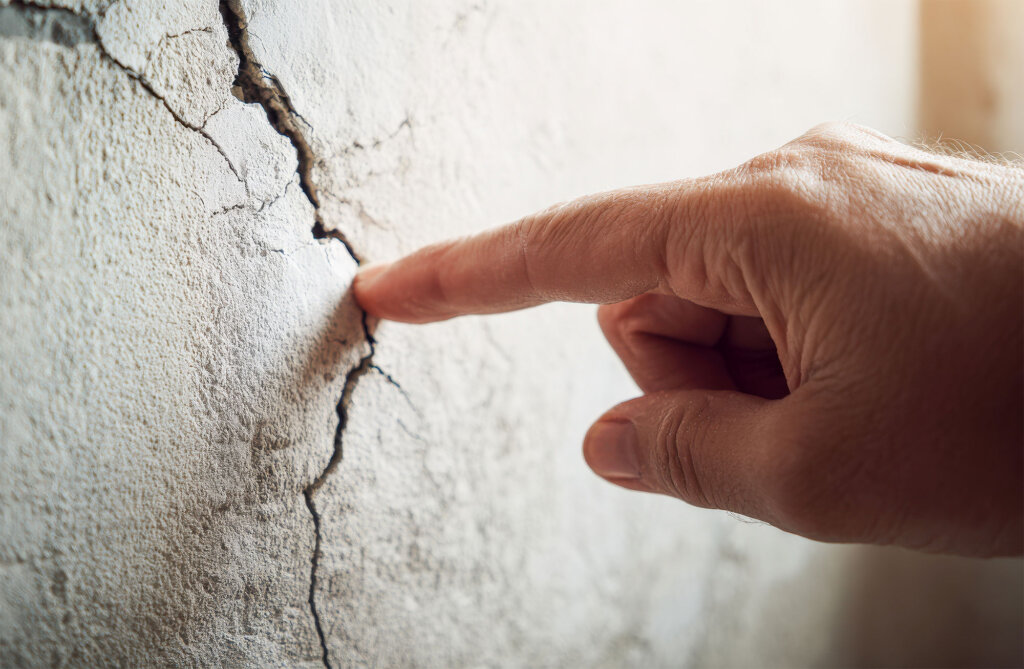
Structural damage can make an ordinary home sale feel complicated. You may be dealing with sagging floors, damaged beams, foundation movement, a leaning chimney, failing porch supports, or framing weakened by water, fire, or rot.
A structurally damaged house can still be sold in Buffalo. Your best option depends on the severity, likely repair costs, timeline, and acceptable risk.
Quick Answer: Can You Sell a House With Structural Damage in Buffalo?
Yes. You can repair the damage and list traditionally, complete only essential safety work, list the property as-is, or sell directly to a cash buyer. The best path depends on the property’s condition, available financing, expected net proceeds, and how quickly you want to complete the sale.
Start With Safety Before Thinking About Price
Some structural problems are manageable. Others can make part of a house unsafe to enter.
Limit access and seek qualified help when you notice:
- A floor, porch, roof section, or ceiling that appears close to collapse
- Walls that are visibly leaning, shifting, or separating
- Fire-damaged framing
- A chimney pulling away from the house
- Severely rotted beams, joists, columns, or stairs
- A foundation wall that has moved substantially
- Loose masonry or unstable temporary supports
Do not bring buyers or agents into an area that appears unsafe. A structural engineer, building official, fire department, or other qualified professional can advise whether access should be restricted.
What Counts as Structural Damage?
Structural damage affects the components that support a building’s weight and stability, unlike cosmetic problems such as peeling paint or dated finishes.
Foundation Movement
Bowing basement walls, horizontal cracks, stair-step masonry cracks, settlement, damaged footings, and deteriorated blocks or mortar may indicate foundation trouble.
For a more focused explanation, read Shamrock Home Buyers’ guide to selling a house with foundation issues in Buffalo.
Beams, Joists, and Load-Bearing Walls
Leaks, rot, insects, overloading, or improper alterations can weaken floor framing. Warning signs include sagging, bouncing, sloping, or separation between floors and walls. Removing a load-bearing wall without adequate support can also cause movement in the floors, ceilings, and roof above it.
Roofs, Porches, Additions, and Masonry
Broken rafters, damaged trusses, failing porch supports, leaning chimneys, and bulging masonry can create both structural and code concerns. Long-term water intrusion or fire may also weaken sill plates, joists, walls, and roof framing.
Why Structural Damage Requires Extra Attention in Buffalo
Buffalo and Western New York have many older single-family homes, doubles, duplexes, and small multi-family properties. Older homes are not automatically unsafe, but drainage, maintenance history, prior alterations, permits, and repair records matter.
Common causes include basement water intrusion, failed gutters, roof or plumbing leaks, frozen pipes, deteriorated masonry, vacant-property neglect, unpermitted additions, and years of deferred maintenance. Covering a crack or replacing damaged drywall is not enough when the visible defect is only a symptom.
Who Should Evaluate the Damage?
| Professional | Main Role |
|---|---|
| Home inspector | Reviews the overall visible condition of the property |
| Structural engineer | Evaluates movement, stability, foundations, and framing |
| Contractor | Prices and completes a defined repair scope |
| Building department | Handles permits, inspections, violations, and unsafe conditions |
| Real estate agent | Advises on marketability and buyer demand |
| Attorney or title company | Reviews disclosure, contracts, ownership, liens, and closing issues |
An engineer does not replace a contractor, and a contractor’s estimate does not always replace an independent diagnosis. Getting clarity first can prevent expensive guesswork.
Can You Sell a Structurally Damaged House As-Is in New York?
Yes. New York does not prohibit the sale of a residential property because it has structural damage. A buyer and seller may agree to transfer the property in its current condition.
However, “as-is” does not mean “without disclosure.”
Under New York Real Property Law §462, sellers of covered one-to-four-family residential properties generally must provide a Property Condition Disclosure Statement before the buyer signs a binding contract. The law also allows the parties to agree to an as-is sale.
Certain transfers may be exempt under New York Real Property Law §463, including some estate, court-ordered, fiduciary, foreclosure-related, and co-owner transactions.
The current New York Property Condition Disclosure Statement asks sellers to answer based on their actual knowledge. Do not hide known defects or provide information you know is false. Consult a New York real estate attorney when the transfer involves an estate, divorce, trust, foreclosure, tenants, or disputed ownership.
How Structural Damage Can Affect Buyer Financing
Structural problems may reduce the number of conventional buyers who can complete the purchase.
A lender or appraiser may require an engineer’s report, repairs before closing, or a new appraisal. Financing may fail if the damage affects safety or structural integrity.
Some qualified buyers may use renovation financing, such as HUD’s FHA 203(k) rehabilitation program, although these loans involve repair plans, appraisals, approved lenders, and additional oversight.
Four Ways to Sell a House With Structural Damage in Buffalo
1. Repair the Damage and List Traditionally
Repairing the property may give you access to the largest buyer pool and the strongest retail price.
This option may work when the damage is clearly diagnosed, you can afford the project, and the improved value supports the investment.
Include engineering, demolition, permits, restoration, taxes, insurance, utilities, cleanup, and unexpected repairs—not only the contractor’s headline estimate.
For more guidance, read about selling a Buffalo house that needs major repairs.
2. Complete Only Essential Work
You may not need to renovate the entire property. It may make sense to stabilize an unsafe area, correct one financing obstacle, or obtain professional documentation without completing cosmetic upgrades.
This can limit upfront expense, but additional damage may appear after work begins. Ask what is included, excluded, and likely to create change orders.
3. List the House As-Is
An agent experienced with distressed properties may market the home to investors, contractors, landlords, or buyers using renovation financing.
An as-is listing provides open-market exposure, but it does not eliminate inspections, financing contingencies, agent compensation, renegotiations, or the risk of cancellation.
Read the guide to selling a house as-is in Buffalo before choosing this route.
4. Sell Directly to a Cash Home Buyer
A direct buyer evaluates the property in its current condition and accounts for repairs in the offer. The seller usually avoids managing the renovation and satisfying a buyer’s mortgage lender.
This route may fit when you cannot fund major repairs, the property is inherited or vacant, financing is difficult, or you prefer fewer showings and contingencies.
A direct offer will normally be lower than a fully repaired home’s potential price. Compare it with what you would likely keep after repairs, commissions, holding costs, concessions, and transaction risk.
Homeowners considering this option can review how Shamrock Home Buyers’ process works.
Compare the Main Selling Options
| Selling Path | Upfront Cash | Main Benefit | Main Tradeoff |
|---|---|---|---|
| Repair and list | High | Potentially stronger sale price | Construction cost, time, and risk |
| Complete essential work | Moderate | Limits the repair scope | Remaining damage still affects offers |
| List as-is | Low to moderate | Open-market exposure | Inspections, commissions, and financing uncertainty |
| Direct cash sale | Usually low | No renovation project for the seller | Offer reflects repairs and buyer risk |
How to Prepare Before Requesting Offers
Gather Existing Records
Collect inspection reports, engineering reports, repair invoices, contractor proposals, permits, insurance documents, photographs, warranties, and violation notices. Clear documentation helps professionals and buyers evaluate the property accurately.
Check Permit and Code Records
The City of Buffalo’s permit and inspection data resources provide access to permits, inspections, code violations, Housing Court cases, and related property information.
For properties outside Buffalo, contact the appropriate city, town, or village building department because procedures vary across Western New York.
When structural problems are connected to municipal violations, review the guide to selling a Buffalo house with code violations.
Look for Title Problems Early
The Erie County Clerk’s Land Records office records deeds, mortgages, mortgage satisfactions, judgments, and liens.
A title company or attorney can identify mortgages, judgments, ownership discrepancies, tax issues, or estate problems. A cash sale removes buyer financing but not title issues.
Obtain More Than One Estimate
Ask what caused the damage, what must be repaired immediately, whether plans or permits are required, what work is excluded, and what could increase the final price.
Compare Estimated Net Proceeds
Use this calculation:
Expected sale price – repairs – commissions – seller-paid closing expenses – concessions – holding costs = estimated net proceeds
Also compare the time, uncertainty, and work required under each option.
Review the Buyer and Contract
Before accepting a direct offer, ask for proof of funds and clarify inspections, price changes, closing expenses, title problems, and the closing date. Put every promise in writing. You can also review Shamrock Home Buyers’ frequently asked questions and seller reviews.
Example: Repairing vs. Selling a Damaged Buffalo House As-Is
Consider an inherited Buffalo double with a damaged rear support beam, sagging kitchen floors, basement water intrusion, and an unsafe back porch.
An agent believes the house could sell for $260,000 after full repair. The heirs receive preliminary estimates of:
- Structural, drainage, and porch work: $70,000
- Interior restoration and deferred maintenance: $20,000
- Commissions, concessions, utilities, taxes, insurance, and holding expenses: $18,000
The estimated net would be:
$260,000 – $70,000 – $20,000 – $18,000 = $152,000
Suppose a direct buyer offers $145,000 as-is and agrees to cover the stated seller closing expenses. The difference between the estimated outcomes is $7,000.
The heirs may choose the direct offer to avoid financing and managing construction. Another owner may choose repairs because the potential gain is worth the work. These figures are illustrative, not Buffalo averages or an actual Shamrock Home Buyers transaction.
Common Mistakes to Avoid
Hiding Known Damage
Do not cover movement cracks, conceal damaged framing, or make cosmetic changes intended to prevent buyers from seeing a known problem.
Starting Work Without Checking Permits
Structural alterations may require plans, permits, and inspections. Unpermitted work can create additional problems during appraisal, municipal review, or resale.
Relying on One Estimate
Different contractors may recommend different solutions. Obtain more than one opinion and consider an engineer when the cause is unclear.
Assuming a Cash Sale Solves Everything
Cash may remove buyer financing, but it does not automatically resolve liens, probate authority, tenant rights, ownership disputes, or municipal orders.
Comparing Only the Headline Price
A higher contract price may produce lower net proceeds after repairs, concessions, commissions, and holding expenses.
Frequently Asked Questions
Can I sell a house with structural damage in Buffalo, NY?
Yes. You can repair it, complete limited safety work, list it as-is, seek a renovation buyer, or sell directly to a cash buyer.
Do I have to repair structural damage before selling my Buffalo house?
No. A structurally damaged property can generally be sold as-is, but known defects may need to be disclosed and addressed in the contract.
Can I sell a house with foundation problems as-is?
Yes. Foundation problems may reduce the buyer pool, affect financing, and lead buyers to request an engineer’s report or repair estimate.
Will a bank finance a house with structural damage?
Possibly. Serious defects may require professional inspections or repairs before closing. Some qualified buyers may use renovation financing.
Should I hire a structural engineer before selling?
An engineer can help when the cause, severity, or repair scope is unclear. A report may also improve contractor estimates and buyer understanding.
Is it better to repair the damage or sell for cash?
Repairing may produce more money when the work is manageable. A cash sale may be better when you cannot fund repairs or want to avoid construction risk.
Can I sell a Buffalo house with structural damage and code violations?
Yes, but review the violations with the appropriate municipality and make sure the contract explains who will handle unresolved issues.
How do cash buyers calculate an offer for a damaged house?
Cash buyers usually consider current condition, estimated repairs, potential resale value, holding costs, title issues, location, and transaction risk.
Compare Your Options Before Deciding
Structural damage does not mean you must accept the first offer or immediately begin an expensive repair project. Gather the available records, understand the likely repair scope, compare estimated net proceeds, and choose the path that fits your finances and timeline.
If you want to sell as-is without repairs, realtor commissions, or closing costs, Shamrock Home Buyers can review your Buffalo or Western New York property and provide a fair local cash offer. You can compare it with an agent’s opinion and your other selling options before making a decision.
You can request a no-obligation cash offer for a property in Buffalo, Cheektowaga, Tonawanda, West Seneca, Hamburg, Lancaster, Amherst, Niagara Falls, Lockport, Lewiston, or another nearby community.
This article provides general homeowner education and is not legal, tax, engineering, construction, lending, or financial advice. Consult a qualified New York attorney, structural engineer, contractor, building official, lender, title company, or tax professional regarding your property.