
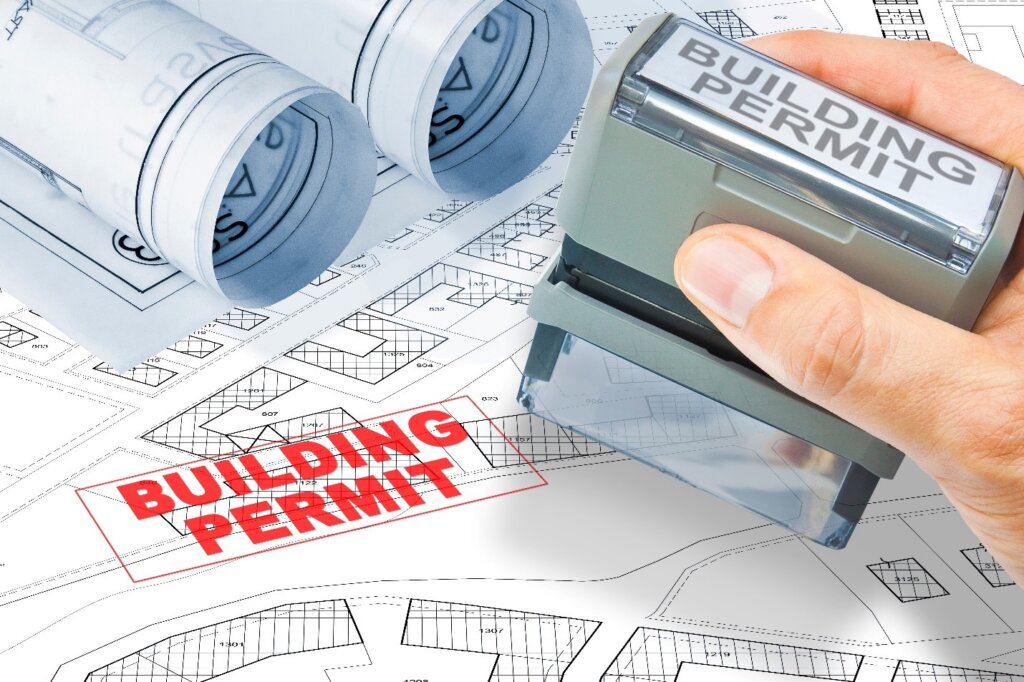
An open building permit often appears while listing, reviewing an inherited property, answering a buyer, or working through closing. It may involve electrical work, plumbing, a porch, an addition, or an unfinished renovation. You may have no plans, inspection reports, or contact information for the original contractor.
This does not necessarily make your Buffalo property unsellable. Identify what remains unresolved before choosing permit closeout, a traditional listing, an as-is sale, or a direct cash offer.
Quick Answer
Yes, you may be able to sell a house with an open building permit in Buffalo, NY. However, the permit can affect financing, price, negotiations, contract terms, and the closing timeline. Your options may include closing the permit, listing with full disclosure, negotiating responsibility with the buyer, or selling as-is to a cash buyer prepared to evaluate the issue.
The best path depends on what the permit covers, whether the work was completed correctly, and what Buffalo requires for closeout.
First, Identify the Exact Property Issue
Homeowners often use “open permit” to describe several different problems. These issues are related, but they are not the same.
| Property issue | What it usually means |
|---|---|
| Open building permit | A permit was issued, but the final inspection or closeout document is not recorded |
| Expired permit | The permit expired before the project was properly completed and closed |
| Unpermitted work | Work may have required a permit, but none was obtained |
| Code violation | The municipality identified a possible building, housing, zoning, or maintenance violation |
| Missing occupancy document | The City may not have issued the certificate confirming approved use or completed work |
| Title issue | A separate recorded problem exists, such as a lien, judgment, mortgage, deed, or estate issue |
This distinction matters because each problem may require a different solution. Closing an existing permit may require only a final inspection. Legalizing unpermitted work may require new plans, a permit, opening finished walls, or corrective construction.
A code violation is not the same as an open permit. Homeowners facing both can review this guide to selling a house with code violations in Buffalo.
What Does Buffalo Require to Close Permitted Work?
The City of Buffalo’s Department of Permit and Inspection Services oversees permitted construction, inspections, code compliance, and closeout documents. Buffalo generally requires a passed final inspection before issuing a Certificate of Occupancy or Certificate of Compliance for completed work.
Permit closeout may involve:
- Confirming the permit number and approved scope.
- Reviewing completed and missing inspections.
- Finishing incomplete work.
- Correcting work that does not match approved plans or code.
- Scheduling the required final inspection.
- Obtaining the applicable occupancy or compliance certificate.
The process may be simple if only the final inspection was missed. It can become more involved if the work was changed, concealed, abandoned, or completed without required records.
Buffalo requires most electrical, plumbing, heating, and air-conditioning work to be completed by City-licensed master tradespeople. Review the City’s Permit and Inspection Services information and online permit guidance.
Can Ownership Transfer Before the Permit Is Closed?
An unresolved permit does not automatically prevent a sale. The outcome depends on the work, the buyer, financing, attorney and title review, the contract, and municipal conditions.
One buyer may accept responsibility through written contract terms. Another may require the seller to close the permit first. A financed buyer may also face more restrictions than a cash buyer.
Do not rely on a verbal promise that the buyer will “take care of it later.” A New York real estate attorney should document who will handle inspections, repairs, costs, municipal communication, and post-closing obligations.
How to Check Buffalo Permit Records
Start with the City’s ePermits record lookup. Search by property address and review available permit numbers, descriptions, issue dates, contractors, inspection history, and status.
You can also use Buffalo’s Permits and Inspections Data Resources for permit, violation, rental-registration, and inspection datasets.
However, an unsuccessful online search does not prove that no permit or occupancy problem exists. Buffalo explains that some records may not appear immediately and that older occupancy files may not be fully digitized. You may need to contact the City directly or request older records.
For an older Buffalo house, confirm whether the permit matches the current property, whether a final inspection and closeout certificate were recorded, whether the legal use matches the unit count, and whether related violations exist.
Permit Records and Title Records Are Different
Municipal permit records address construction, occupancy, inspection, and code matters. Title records address ownership and recorded property interests.
The Erie County Clerk’s Land Records include deeds, mortgages, mortgage satisfactions, judgments, and liens. The County Clerk does not replace Buffalo’s permit office, and the City permit portal does not replace a title search.
A property can have a clean title search but an unresolved permit, or no permit problem but a lien, deed, estate, or ownership issue. Both areas should be reviewed before closing.
Steps to Take Before Selling
1. Gather the Permit Information
Obtain the permit number, issue date, approved scope, inspection history, contractor information, and current status. Do not assume an old permit is harmless.
2. Compare the Permit With the Current Property
Compare the approved project with what exists today. A permit may describe a porch repair, while the porch was later enclosed or expanded. An electrical permit may cover a service upgrade but not later basement wiring.
3. Contact the Correct Municipality
A Buffalo mailing address does not always mean the City of Buffalo controls the permit. Properties in Cheektowaga, Tonawanda, Amherst, Hamburg, Lancaster, West Seneca, and nearby communities may fall under a town or village department with different procedures.
Contact the municipality where the property is legally located.
4. Obtain Professional Estimates
Ask contractors to account for corrective work, access, licensed-trade work, plans, fees, restoration, and hidden-condition risk.
This is especially important when trying to price a Buffalo house that needs major repairs.
5. Compare Net Proceeds
A repaired retail sale may produce a higher contract price but not always a better net result.
Compare the expected sale price after repairs, permit costs, agent compensation, concessions, carrying costs, and closing expenses with the net proceeds and terms of an as-is offer.
6. Disclose Known Information Accurately
New York’s Property Condition Disclosure Act generally requires sellers of covered residential property to provide a disclosure statement before a binding contract, subject to exemptions.
An as-is clause does not permit false information or concealment of a known problem. Review New York Real Property Law §462 and ask a qualified New York real estate attorney which requirements apply.
7. Put the Resolution Plan in Writing
The purchase contract should explain whether the permit will be closed before or after closing, who pays for inspections and repairs, whether funds will be held back, and what happens if the cost is higher than expected.
Compare Your Three Main Selling Options
| Selling option | Best suited to | Main benefit | Main limitation |
|---|---|---|---|
| Resolve the permit before listing | Owners with manageable repairs, time, and available funds | May improve buyer confidence and support a traditional sale | Requires upfront spending and an uncertain timeline |
| List the property as-is | Owners who want market exposure without completing every project | Can attract homeowners, landlords, and investors | Buyers may request credits, repairs, or financing conditions |
| Sell directly to a cash buyer | Owners who prioritize convenience or avoiding repairs | May allow a sale without completing the work first | The offer may be lower than the potential repaired retail price |
Closing the permit may be better when the remaining work is minor, the property is otherwise ready to list, and the likely increase in net proceeds exceeds the cost and delay.
An as-is sale may be more practical when the work is extensive, the house is vacant, you inherited it, you live outside Western New York, or the property has additional repair, tenant, title, or code concerns.
Homeowners comparing these paths can review this step-by-step guide to selling a house fast in Buffalo.
Special Concerns for Buffalo Multi-Unit Properties
Permit questions can become more complicated when the property contains multiple units or has been converted from one use to another.
A Buffalo double or multi-unit property may raise questions about the legal number of units, attic or basement apartments, fire separation, exits, added kitchens or bathrooms, occupancy documentation, and rental registration.
For properties classified as multiple dwellings, Buffalo requires current and accurate registration before issuing certain permits or occupancy documents. A change in use may also require a new Certificate of Occupancy or Compliance. Review the City’s Multiple Dwellings guidance.
Do not assume that a long-standing layout is legally approved simply because tenants have occupied it for years.
Example: Selling an Inherited Buffalo Two-Family With an Open Permit
Consider an inherited two-family house in Buffalo. City records show permits for electrical service and rear porch work, but no final closeout appears online. The heirs live out of state, do not know who completed the work, and want to avoid managing a major renovation.
Before accepting an offer, they should determine whether the work matches the approved scope, whether corrections remain, whether the unit count is documented, and what the property could sell for after resolution versus in its current condition.
If closeout is simple, resolving it before listing may produce the strongest result. If the project involves extensive corrections and uncertain costs, an as-is listing or direct sale may be more practical.
This is an educational example, not a claim about a past Shamrock Home Buyers transaction.
Common Mistakes to Avoid
Assuming an Expired Permit No Longer Matters
Expiration does not prove that the work was inspected or properly closed.
Treating an Empty Online Search as Final Proof
Buffalo’s digital records have limits. Older paper files or recent records may require direct follow-up.
Spending Money Before Confirming Requirements
A cosmetic repair may not satisfy the permit. Contact the appropriate department first.
Hiding the Issue
Accurate disclosure and clear contract terms help protect the transaction.
Comparing Offers Only by Headline Price
Review repairs, commissions, concessions, carrying costs, contingencies, and estimated net proceeds.
Frequently Asked Questions
Can you sell a house with an open building permit in Buffalo, NY?
Yes. A house may still be sold, but the permit can affect financing, negotiations, disclosure, and closing. The contract should state who will resolve it.
Does an open permit have to be closed before selling?
Not always. Some buyers may accept the property with the permit open, while others or their lenders may require closeout before closing.
What happens if a building permit expires in Buffalo?
An expired permit does not mean the work was approved. Contact Buffalo Permit and Inspection Services to learn whether inspections, corrections, or an updated permit are required.
Can a buyer take responsibility for an open permit?
Possibly. The contract should identify who will complete the work, pay the costs, schedule inspections, and communicate with the municipality.
Will an open permit affect a buyer’s mortgage?
It can. A lender, appraiser, insurer, or attorney may request repairs, records, or permit closeout before approving the transaction.
Can I sell a Buffalo house as-is with unfinished permitted work?
Yes. An as-is sale may be possible, especially with a cash buyer, but known permit and property conditions should still be disclosed accurately.
How long does it take to close an open permit in Buffalo?
There is no fixed timeline. It depends on the work, available records, inspection scheduling, contractor availability, and required corrections.
Can You Sell a Buffalo House As-Is With an Open Permit?
You do not need to choose a selling path until you understand the likely costs and timeline.
Start by confirming the permit status and estimating what closeout may require. Then compare the expected net proceeds from repairing and listing with the terms of an as-is sale.
If you prefer to sell without managing repairs, inspections, showings, or a traditional listing, Shamrock Home Buyers can review the property and provide a no-obligation cash offer. Learn more about how Shamrock Home Buyers buys houses or contact the local Buffalo team to discuss the property.
Shamrock Home Buyers purchases houses directly in Buffalo and Western New York. Compare the offer, terms, and timeline with your other selling options.
Legal disclaimer: This article provides general homeowner education and is not legal, tax, financial, engineering, construction, or title advice. Permit, disclosure, occupancy, and closing requirements vary by property, municipality, and transaction. Consult the appropriate local department, a licensed contractor, a qualified New York real estate attorney, and a title professional about your specific situation.