
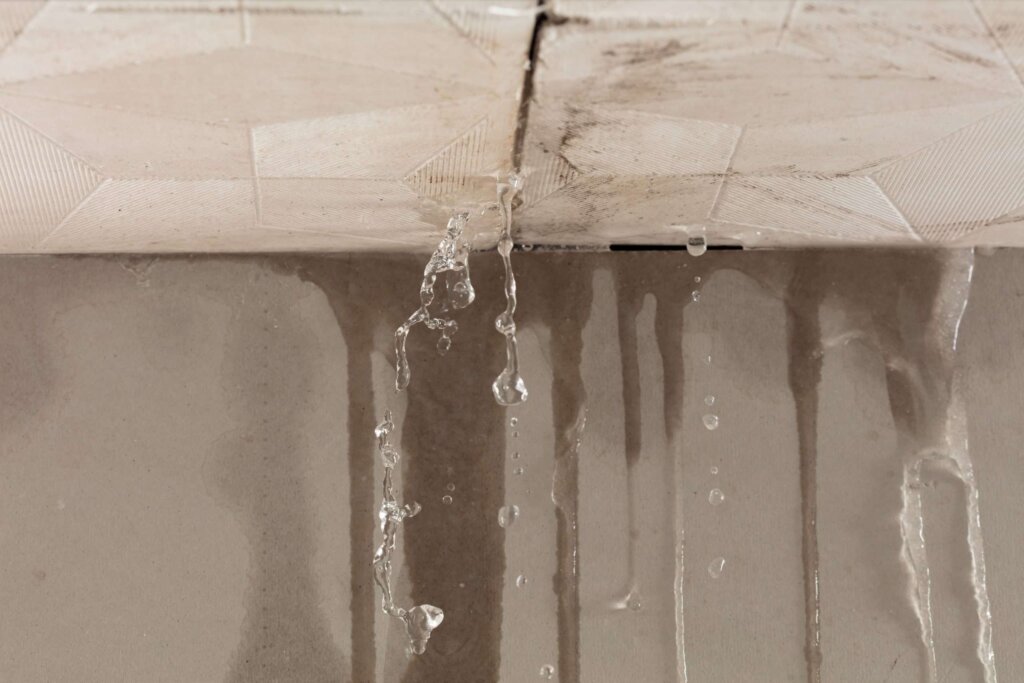
Water damage can make selling a Buffalo home feel complicated. You may be dealing with a leaking roof, wet basement, burst pipes, mold concerns, damaged flooring, or an older problem that still worries buyers.
The good news is that water damage does not make a house impossible to sell. You can repair the property before listing, market it in as-is condition, or sell directly to a buyer willing to handle the remaining work.
The right choice depends on the source and severity of the damage, your budget, your timeline, and how much uncertainty you are prepared to manage.
Quick Answer
You can sell a house with water damage in Buffalo, NY, even if you do not complete every repair. Stop any active leak when it is safe, document the condition, gather insurance and repair records, and identify mold, sewage, electrical, or structural concerns. Then compare repairing, listing as-is, and selling directly based on likely net proceeds and timing.
Why Water Damage Is a Common Buffalo Home-Selling Problem
Buffalo and Western New York homes face several local moisture risks. Heavy snow, changing winter temperatures, aging plumbing, older foundations, spring snowmelt, sewer backups, and roof ice dams can all cause water intrusion.
The National Weather Service explains that roof ice dams can form when snow melts and refreezes near a roof edge. Water may then move beneath shingles and damage attics, ceilings, insulation, and walls.
Common local causes include frozen pipes, roof leaks, failed sump pumps, sewer backups, foundation cracks, damaged gutters, poor grading, appliance failures, and long-term leaks in vacant or inherited homes.
Determine Whether the Problem Is Still Active
Before focusing on paint, flooring, or resale value, determine whether water is still entering the house. Warning signs include an ongoing pipe leak, water entering through the foundation, a failed sump pump, an unresolved sewer backup, standing water near electrical equipment, or wet drywall and insulation.
Do not enter standing water or handle electrical equipment when conditions may be unsafe. Qualified professionals may need to inspect the property.
The U.S. Environmental Protection Agency recommends drying wet materials within about 24 to 48 hours when practical. Prompt drying and correction of the moisture source can reduce the likelihood of mold growth.
Clean Water, Groundwater, and Sewage Require Different Responses
Clean-water damage
A broken supply pipe, overflowing sink, appliance leak, or failed water heater can damage flooring, drywall, cabinets, insulation, and electrical components if the area is not dried quickly.
Rainwater or groundwater
Water may enter through the roof, basement walls, foundation, window wells, grading, or drainage system. Cosmetic repairs may not last if the entry point remains unresolved.
Sewage-contaminated water
A sewer or drain backup requires greater caution because the water may contain harmful contaminants.
Erie County advises homeowners with sewage in a basement to avoid contact, keep children and pets away, and contact the sewer district serving the municipality. For homes within the City of Buffalo, the county directs residents to the Buffalo Sewer Authority. The responsible agency may differ elsewhere in Western New York.
Can You Sell a House With Mold in Buffalo?
Yes. A house with mold or suspected mold can still be sold, but the condition may affect buyer interest, inspections, financing, insurance, pricing, and disclosure.
The main issue is usually moisture. Cleaning a visible area without correcting the water source may allow the problem to return. The EPA recommends fixing leaks and other moisture problems promptly.
A professional evaluation may be appropriate when:
- The affected area is extensive
- Sewage or contaminated water was involved
- Mold appears behind walls or above ceilings
- Heating or ventilation systems may be affected
- Structural materials remained wet
- The source is unclear
How Water Damage Can Affect Your Home’s Value
There is no fixed percentage by which water damage lowers a home’s value. Buyers consider whether the problem is active, which materials were affected, whether the source was corrected, the possibility of hidden mold or rot, repair documentation, financing and insurance availability, and the risk that repairs will cost more than expected.
A repaired supply-line leak with invoices may have a limited effect. Recurring basement water with no identified source creates much more uncertainty.
Three Ways to Sell a Water-Damaged House
| Selling method | Best for | Advantages | Limitations |
|---|---|---|---|
| Repair and list | Sellers with time, funds, and manageable damage | May attract more owner-occupant buyers and support a stronger retail price | Requires upfront spending, contractor management, and risk of added repairs |
| List as-is | Sellers wanting market exposure without completing all work | Allows multiple buyers to consider the property | Buyers may request credits, renegotiate, or face financing problems |
| Sell directly for cash | Sellers prioritizing simplicity or avoiding repairs | Fewer financing obstacles and no need to renovate for the buyer | Offer usually reflects repairs, holding expenses, and buyer risk |
Repair before listing
Repairing can make sense when the source is clear, the work is manageable, and you have enough time and money to oversee it.
Before starting major work, get a written scope that includes drying, remediation, permits, rebuilding, and hidden-damage contingencies.
List the property as-is
An as-is listing tells buyers that you do not plan to complete repairs before closing. Buyers may still inspect the property, request credits, or make their offer subject to contingencies.
An agent familiar with distressed properties may help, although serious unresolved damage can complicate financing and insurance.
See the guide to selling a Buffalo house without making repairs for more details.
Sell directly to a cash buyer
A direct sale may be practical when:
- The damage is extensive
- Repairs are unaffordable
- The house is vacant or inherited
- You live outside Western New York
- Tenants complicate contractor access
- You want a more predictable closing date
- You do not want to manage cleanup and repeated showings
A cash offer will usually be lower than the potential retail value of a fully restored home because the buyer accounts for repairs, resale costs, holding expenses, and uncertainty.
Compare the cash offer with what you may keep after repairs, agent compensation, buyer concessions, taxes, insurance, utilities, maintenance, and months of holding the property.
You can review Shamrock Home Buyers’ process on the How We Buy Houses page.
Step-by-Step Plan for Selling a Water-Damaged Buffalo House
1. Protect people and prevent more damage
Stop the source when possible, avoid unsafe electrical conditions, and contact qualified professionals for sewage, mold, structural, or major flooding concerns.
2. Photograph the condition
Take clear photos before removing materials. Capture the apparent source, stains, standing water, damaged finishes, affected belongings, and exterior conditions.
3. Gather records
Collect insurance correspondence, estimates, invoices, inspection reports, permits, warranties, moisture reports, sewer-authority correspondence, and municipal notices.
These records can help buyers distinguish a corrected problem from an unresolved one.
4. Obtain realistic repair estimates
Get estimates from professionals who handle the relevant work. A restoration company may assess drying, while a plumber, roofer, electrician, foundation contractor, or structural engineer may be needed for the source.
Do not assume the visible stain represents the full problem.
5. Check flood and property information
FEMA’s Flood Map Service Center provides official federal flood-hazard maps, although it will not explain every basement leak or sewer backup.
Also check:
- Open permits
- Code violations
- Property taxes
- Water or sewer balances
- Mortgage payoffs
- Liens
- Title issues
6. Compare estimated net proceeds
For each option, subtract repairs, agent compensation, buyer credits, holding expenses, debt payoffs, liens, and applicable closing costs from the expected sale price.
7. Review every offer carefully
Compare proof of funds, deposit, inspection rights, financing or appraisal contingencies, assignment language, closing date, cost responsibility, and cancellation rights.
A qualified New York real estate attorney should review the contract and advise you about your transaction.
New York Disclosure Considerations
New York’s Property Condition Disclosure Statement asks covered residential sellers about:
- Flooding
- Drainage problems
- Standing water
- Water penetration
- Rot or water damage
- Plumbing defects
- Sump-pump problems
- Mold testing
- Foundation damage
- Damaged walls, ceilings, or floors
The current New York Property Condition Disclosure Statement became mandatory beginning July 1, 2025.
Under New York Real Property Law §462, covered sellers generally must provide the completed statement to the buyer or buyer’s agent before the buyer signs a binding contract, subject to statutory exemptions.
Selling as-is does not mean hiding a known problem. As-is terms usually address who will complete or pay for repairs; they do not automatically eliminate disclosure obligations.
Disclaimer: This article provides general homeowner education and is not legal, insurance, environmental, tax, or financial advice. Requirements depend on the property and transaction. Consult a qualified New York attorney, insurance professional, inspector, remediation specialist, title professional, or local official when appropriate.
A Realistic Buffalo Example
Imagine an owner preparing to sell an older Buffalo double with a stone basement. The upstairs tenant notices a ceiling stain after snow and ice collect along the roof edge. During the next thaw, the owner also finds dampness along one basement wall.
Patching and painting would not answer the important questions. Is the roof leak caused by shingles, flashing, or an ice dam? Is the basement moisture entering through a foundation crack, poor grading, or a drainage problem?
The owner could document both areas, stop active water entry, obtain roof and basement evaluations, and compare three paths:
- Repair the roof and basement before listing.
- List the occupied double in as-is condition.
- Request direct offers from buyers willing to handle the work.
Repairing could support a stronger retail presentation but would require cash, contractor management, and tenant coordination. Listing as-is could attract investors, although inspections and negotiations may follow. A direct sale could reduce repair and financing uncertainty but would likely produce a lower price than a fully restored sale.
The best path depends on available funds, moving plans, tenant access, likely net proceeds, and willingness to manage the work.
Common Mistakes to Avoid
Covering stains without fixing the source
Fresh paint may hide a stain temporarily, but it does not stop a roof, pipe, drain, or foundation leak.
Assuming insurance covers everything
Coverage depends on the cause and policy. Plumbing leaks, external flooding, groundwater, maintenance issues, and sewer backups may be treated differently.
Starting demolition without a clear scope
Opening walls or removing flooring may reveal more damage. Understand safety precautions, permits, and rebuilding costs first.
Discarding reports and receipts
Keep estimates, inspection reports, photographs, insurance correspondence, and repair invoices available for future reference.
Accepting a high offer with weak terms
A financed offer with broad inspection and cancellation rights may be less dependable than a lower offer with clearer terms.
Frequently Asked Questions
Can I sell a house with water damage in Buffalo, NY?
Yes. You can repair the damage, list as-is, or sell directly to a buyer willing to handle the repairs. The best option depends on the condition, your budget, and your timeline.
Do I have to repair water damage before selling my Buffalo house?
No. You may sell the property in its current condition, although known problems may need to be disclosed and will usually affect the price and buyer pool.
Can I sell a house with mold in Buffalo?
Yes, but mold may affect inspections, financing, insurance, and buyer interest. Correcting the moisture source or obtaining a professional evaluation can clarify the risk.
How much does water damage reduce a home’s value?
There is no fixed percentage. The impact depends on the source, severity, repair costs, affected materials, and whether the problem is active.
Will a mortgage lender approve a water-damaged house?
Possibly. Minor repaired damage may not prevent financing, but serious roof, foundation, electrical, structural, or mold problems may create appraisal or insurance issues.
Can I sell a water-damaged house as-is for cash?
Yes. A cash buyer may purchase the home without requiring renovation first. The offer will generally reflect repairs, resale costs, and the current condition.
What documents should I gather before selling?
Collect photos, insurance records, estimates, invoices, inspection reports, permits, moisture reports, and municipal notices.
Sell Your Water-Damaged Buffalo House As-Is
Water damage can complicate a sale, but it does not leave you without options. Start by understanding the source, documenting the property, and comparing the realistic costs and net proceeds of repairing, listing as-is, and selling directly.
A traditional listing may be better when the damage is manageable and you have the time and money to complete the work. A direct sale may be more practical when you want to avoid repairs, contractor delays, repeated showings, or financing uncertainty.
If you want to sell as-is without making repairs, paying realtor commissions, or covering the seller closing costs described in the company’s current offer process, Shamrock Home Buyers can review your Buffalo or Western New York property and provide a no-obligation cash offer.
Review the company’s frequently asked questions or contact Shamrock Home Buyers to discuss your property.