
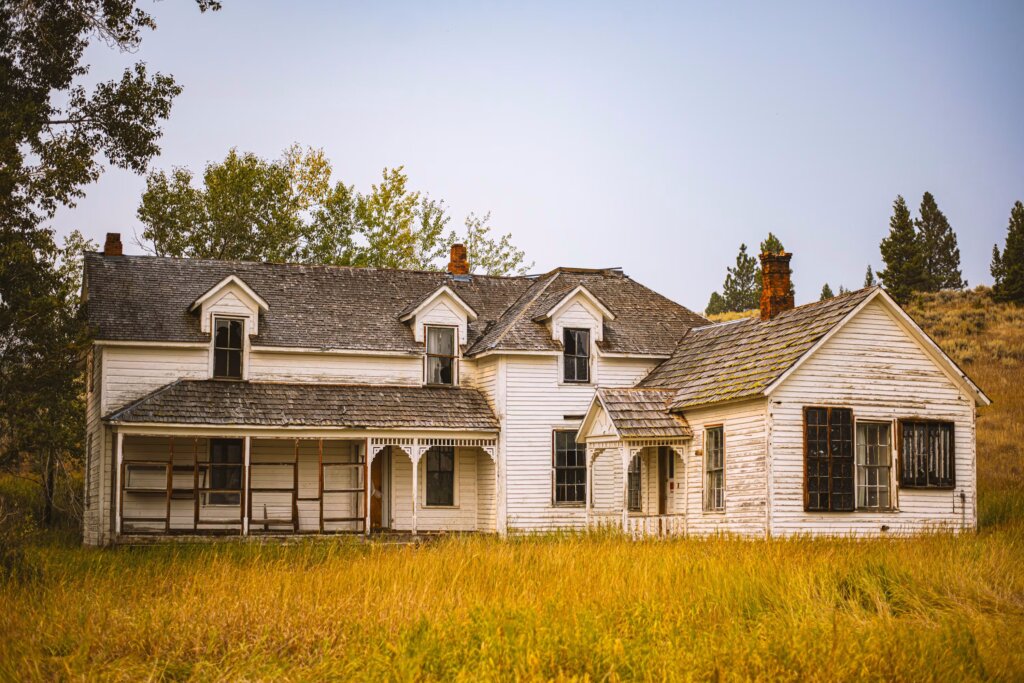
Selling a rundown home in Buffalo, NY without making repairs is possible. You can sell the property as-is, avoid expensive contractor work, skip months of cleanup, and move forward without trying to make the house perfect for a traditional buyer.
This can be a smart option if your home has roof damage, old plumbing, electrical issues, water damage, code concerns, tenant damage, or years of deferred maintenance. Many Buffalo homes are older, and repairs can quickly become expensive once contractors start opening walls, checking basements, or finding hidden problems.
If you are asking, “Can I sell my house without fixing it first?” the answer is yes. The bigger question is which selling option gives you the best balance of speed, price, stress, and certainty.
Quick Answer: Can You Sell a Rundown Home As-Is in Buffalo?
Yes, you can sell a rundown home as-is in Buffalo. An as-is sale means the buyer agrees to purchase the house in its current condition. You usually do not need to repair the roof, update the kitchen, replace old flooring, fix broken windows, clean out every room, or handle major system repairs before closing.
However, selling as-is does not mean hiding known problems. Sellers should be honest about property issues and review any required paperwork with a real estate attorney or qualified professional.
For many homeowners, selling as-is is not about getting the highest possible retail price. It is about avoiding large repair bills, long delays, failed inspections, and the stress of preparing a damaged property for the open market.
What Is Considered a Rundown Home?
A rundown home is a property that needs noticeable repairs, updates, cleaning, or maintenance before most traditional buyers would feel comfortable purchasing it. Some rundown houses are still livable. Others may be vacant, damaged, outdated, or unsafe in certain areas.
Common signs of a rundown home include:
- Roof leaks or missing shingles
- Water damage in ceilings, walls, or basements
- Outdated electrical systems
- Old plumbing or leaking pipes
- Foundation cracks
- Mold or moisture concerns
- Broken windows or doors
- Damaged siding
- Peeling paint
- Old carpet or damaged flooring
- Kitchen and bathroom damage
- Hoarding or heavy clutter
- Fire or smoke damage
- Tenant damage
- Code violations
- Overgrown yard or exterior neglect
A house does not have to be beautiful to have value. Even if the property looks rough, buyers may still be interested because of its location, lot size, structure, rental potential, or renovation opportunity.
If the home has moisture, basement dampness, or visible mold, it is important to understand that mold is more than a cosmetic issue. The EPA offers helpful homeowner guidance on mold cleanup in your home, including when cleanup may be simple and when larger contamination may need professional attention.
Why Buffalo Homeowners Often Avoid Repairs Before Selling
Repairing a rundown home sounds simple at first. You fix the major problems, list the house, and sell for more money. But in real life, it is often more complicated.
Buffalo weather can be tough on older homes. Snow, ice, freezing temperatures, roof leaks, basement moisture, and old mechanical systems can create repair problems that grow over time. A small leak may reveal damaged drywall. Old wiring may require a larger electrical update. A bathroom repair may uncover plumbing issues behind the wall.
That is why many homeowners decide not to repair before selling. They do not want to spend thousands of dollars before knowing whether they will get that money back.
| Common Repair | Why It Can Become Expensive |
|---|---|
| Roof repair | Leaks may reveal damaged decking, insulation, or interior water damage |
| Electrical work | Older homes may need panel upgrades, rewiring, or safety corrections |
| Plumbing repair | Leaks may require opening walls, floors, or ceilings |
| Foundation repair | Costs can rise quickly if structural movement is found |
| Mold cleanup | Moisture must be treated, not just covered |
| Kitchen or bath updates | Labor, materials, fixtures, and hidden problems can add up fast |
Repairs can also delay the sale. Contractors may be booked out. Permits or inspections may be needed. Materials may cost more than expected. One project can turn into three. If you need to sell quickly, this can be a major problem.
Your Main Options for Selling a Rundown Home
You usually have three main choices when selling a rundown property in Buffalo: repair first, list the home as-is, or sell directly as-is. Each option has advantages and trade-offs, so the best choice depends on your timeline, repair budget, property condition, and personal situation.
| Selling Option | Best For | Main Benefit | Main Drawback |
|---|---|---|---|
| Repair before selling | Homes with light or moderate repairs | May attract more retail buyers | Requires money, time, and project management |
| List as-is with an agent | Sellers willing to wait for the right buyer | More market exposure | Buyers may still ask for repairs or credits |
| Sell directly as-is | Sellers who want speed and simplicity | No major repairs or showings | Offer may be lower than retail value |
If the home only needs paint, cleaning, and small updates, repairing first may make sense. If the house has major damage, code concerns, old systems, or expensive repairs, selling as-is may be easier.
If your home needs more than basic cosmetic updates, read How to Sell Your House Fast in Buffalo, NY with Major Repairs Needed before deciding whether to repair, list, or sell as-is.
What Does Selling As-Is Really Mean?
Selling as-is means the buyer accepts the home in its current condition. The price usually reflects the repairs, updates, and risks the buyer is taking on.
Even when selling a home as-is, New York sellers should still understand their disclosure responsibilities. The official New York Property Condition Disclosure Statement can help homeowners review common property condition questions before a sale. Selling as-is may reduce repair obligations, but it does not mean ignoring known issues or skipping required paperwork.
In a true as-is sale, the seller typically does not agree to make repairs before closing. This can be helpful when the house has damage that would scare away traditional buyers or create problems during inspection.
An as-is sale may include:
- No roof repairs
- No kitchen updates
- No bathroom remodeling
- No flooring replacement
- No full cleanout
- No major landscaping
- No electrical upgrades before closing
- No plumbing repairs before closing
- No open houses or repeated showings
Still, the details should be clearly written in the purchase agreement. Before signing, sellers should understand the offer amount, closing date, fees, repair expectations, and any conditions attached to the sale.
When Selling Without Repairs Makes Sense
Selling without repairs may be a good fit if the house needs more work than you can afford or manage. It can also make sense if you inherited the property, live out of state, are tired of dealing with tenants, or simply want to avoid months of stress.
Consider selling as-is if:
- The repair estimate is too high
- You do not have cash for updates
- The home is vacant and getting worse
- You inherited a property you do not want
- You are facing a time-sensitive situation
- The house has code violations
- The property has fire, water, or storm damage
- You do not want to manage contractors
- You do not want showings or open houses
- You want a faster and simpler closing
This route is not right for every seller. If you have time, money, and the home only needs small improvements, a traditional sale may bring a higher price. But if the property has serious issues, the highest “listing price” may not matter if buyers keep backing out after inspections.
How Buyers Evaluate a Rundown House
A buyer does not only look at what the house is worth today. They also look at what it could be worth after repairs. This is often called the after-repair value.
Several factors can affect the offer:
- Neighborhood and nearby sales
- Current property condition
- Estimated repair costs
- Roof, basement, plumbing, and electrical condition
- Size of the home and lot
- Number of bedrooms and bathrooms
- Whether the home is occupied or vacant
- Possible code violations or title issues
- Cleanup or junk removal needs
- Market demand in that part of Buffalo
- Resale or rental potential
A rundown home in a strong location may still attract solid interest. A home with major structural damage or legal issues may receive lower offers because the buyer is taking on more risk.
How the As-Is Selling Process Works
The as-is selling process is usually simpler than a traditional sale.
First, you provide basic information about the property. This may include the address, condition, known problems, occupancy status, and your ideal timeline.
Next, the buyer reviews the home. This could involve a walkthrough, photos, public records, repair estimates, and local market research.
After that, you receive an offer. The offer should explain the price, closing timeline, and any conditions. You should review whether repairs, cleaning, commissions, closing costs, or other fees are involved.
If you accept the offer, the title and closing process begins. Once the paperwork is complete, the sale closes and you receive payment according to the closing terms.
Traditional Sale vs As-Is Sale
A rundown home can be difficult to sell through a traditional listing because many retail buyers want move-in-ready homes. Even buyers who say they are open to repairs may become nervous after inspections.
| Factor | Traditional Sale | As-Is Sale |
|---|---|---|
| Repairs | Often expected | Usually not required |
| Cleaning | Usually needed | May not be required |
| Showings | Multiple showings common | Usually fewer showings |
| Inspection | Can lead to repair demands | Usually priced into the offer |
| Financing | Buyer loan may create delays | Cash sales may avoid lender issues |
| Timeline | Often weeks or months | Often faster |
| Best fit | Updated or lightly damaged homes | Rundown, damaged, or hard-to-sell homes |
The biggest benefit of a traditional sale is the chance to get a higher price. The biggest risk is that the final sale may take longer, cost more, and become less certain after repairs, inspections, credits, commissions, and buyer delays.
Can You Sell a House With Code Violations?
In many cases, a house with code violations can still be sold. The key is making sure the buyer understands the condition of the property and any known issues.
Code violations may involve broken windows, unsafe stairs, exterior damage, electrical concerns, plumbing issues, overgrown yards, structural problems, or unpermitted work. Some buyers will not want to deal with these problems. Others may be more comfortable taking on the repairs after closing.
If your home has code issues, do not ignore them. Gather any notices, documents, or letters you have received. Ask questions before accepting an offer. Make sure the agreement clearly explains who is responsible for what after closing.
Do You Need to Clean Out the House?
Not always. In some as-is sales, sellers are able to leave unwanted items behind. This can be helpful if the house has old furniture, broken appliances, basement clutter, garage items, or leftover belongings from a family member or tenant.
This should always be confirmed in writing. Some buyers may allow a full or partial cleanout after closing. Others may require certain items to be removed.
If cleaning out the property feels overwhelming, ask early. Do not assume the buyer will take everything unless the agreement says so.
Selling an Inherited Rundown Home
Inherited homes are often older and may need repairs. Family members may not know the full condition of the property. There may be old belongings inside, unpaid bills, title questions, or multiple heirs involved.
An as-is sale can make the process easier because the family may not need to renovate the home before selling. This can reduce arguments, travel, contractor decisions, cleanup stress, and holding costs.
Before selling, heirs should understand who has legal authority to sign documents. Probate, estate paperwork, and title issues should be reviewed with the right professional.
Selling a Rundown Rental Property
Some landlords reach a point where the property is no longer worth the stress. The home may have tenant damage, unpaid rent, old repairs, code notices, or maintenance issues that keep coming back.
Selling a rundown rental property may be possible even if tenants are still inside, but the process depends on the lease, local rules, buyer expectations, and the condition of the home.
If you are selling with tenants in place, gather lease documents, rent history, security deposit details, and any notices. A buyer will want to understand what they are taking on.
Watch Out for Red Flags
Not every buyer is the right buyer. Before accepting an as-is offer, look for warning signs.
Be careful if a buyer:
- Refuses to put the offer in writing
- Pressures you to sign immediately
- Will not explain fees or deductions
- Makes a high offer and then lowers it later without a clear reason
- Cannot show proof of funds
- Avoids answering basic closing questions
- Uses confusing contract language
- Will not let you review the agreement
A serious buyer should be able to explain the process clearly. You should understand the offer before you sign anything.
Questions to Ask Before Accepting an Offer
Before agreeing to sell your rundown home, ask:
- Is this offer in writing?
- Do I need to make any repairs?
- Do I need to clean out the property?
- Who pays closing costs?
- Are there any commissions or service fees?
- What is the closing timeline?
- Can I choose the closing date?
- Are there inspection contingencies?
- Will the offer change later?
- What happens if the buyer backs out?
- Do I need an attorney to review the paperwork?
These questions help you compare more than just price. A slightly higher offer may not be better if it includes fees, delays, repair demands, or uncertainty.
FAQs
Q. Can I sell my rundown house in Buffalo without making repairs?
Yes. You can sell a rundown house in Buffalo as-is without fixing the roof, flooring, plumbing, electrical system, or other major issues. The buyer accepts the property in its current condition.
Q. What does selling a house as-is in Buffalo, NY mean?
Selling as-is means the home is sold in its present condition. You do not agree to make repairs before closing, but you should still be honest about known property problems.
Q. Who buys rundown homes in Buffalo, NY?
Rundown homes are often bought by cash buyers, investors, landlords, contractors, and buyers who are comfortable handling repairs. These buyers may purchase homes with damage, clutter, or outdated systems.
Q. Do I need to clean out my house before selling it?
Not always. Some as-is buyers may allow you to leave old furniture, appliances, junk, or unwanted items behind. Always confirm this in writing before closing.
Q. Can I sell a house with code violations in Buffalo?
Yes. It may be possible to sell a house with code violations, but the buyer must understand the issues. Known problems should be disclosed, and the sale terms should be clear.
Q. Will I get less money if I sell my house as-is?
Usually, an as-is offer is lower than a fully repaired retail price. However, you may save money by avoiding repairs, cleaning, holding costs, commissions, and long delays.
Final Thoughts
Selling a rundown home without making repairs in Buffalo, NY can feel overwhelming, but you do not have to handle the process alone. If the property needs major updates, has code issues, sits vacant, or costs too much to maintain, an as-is sale may be a practical way to move forward without spending money on repairs, cleaning, or months of showings.
The right choice depends on your goals. If you have the time, budget, and energy to fix the home, a traditional sale may work. But if you want a faster, simpler option, selling as-is can help you avoid contractor delays, inspection problems, and extra holding costs.
Shamrock Home Buyers helps homeowners sell rundown houses in Buffalo, NY without the stress of repairs. You can explore your options, understand your home’s current value, and decide whether an as-is sale is the best path for your situation.