
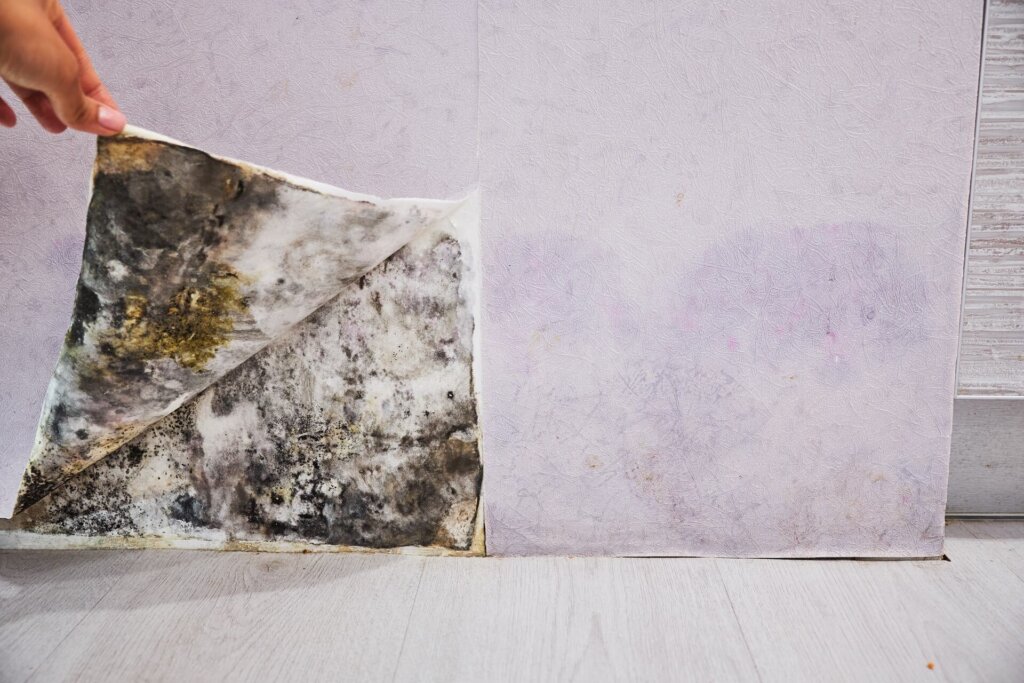
Finding mold while preparing to sell a Buffalo home can turn a normal sale into a harder decision. Should you pay to remove it? Should you open walls to find out how far it has spread? Will buyers walk away? Can you simply sell the property in its current condition?
The right answer depends on more than whether mold is visible. The moisture source, size of the affected area, damaged materials, documentation, buyer financing, repair budget, and your selling timeline all matter.
For some Buffalo homeowners, correcting the problem before listing is financially worthwhile. For others—especially when mold is part of a larger list of deferred repairs—an as-is home sale in Buffalo may be more practical.
Quick Answer: Can You Sell a House With Mold in Buffalo, NY?
Yes. A house with mold can be sold in Buffalo, NY. You do not automatically have to complete mold remediation before selling. Depending on the property, you may remediate first, list the house as-is, negotiate with a buyer, or sell directly to an as-is buyer.
New York law recognizes “as is” real estate sales, while applicable sellers still need to consider state property-condition disclosure requirements. See New York Real Property Law §462.
The better question is not simply, “Can I sell a moldy house?” It is: Which selling path gives me the best combination of net proceeds, time, certainty, and effort?
Before You Decide How to Sell, Understand What You Actually Know
Not every mold situation is the same.
There is a meaningful difference between:
- A small visible area caused by a recently repaired plumbing leak
- A musty basement with no confirmed source
- Mold behind finished drywall after repeated water intrusion
- An attic affected by an unresolved roof leak
- A vacant property where moisture went unnoticed for months
- A previously remediated issue with assessment and clearance records
You may know that something looks like mold without knowing how far the moisture problem extends.
That matters because the visible area may not be the full repair scope. Mold behind drywall, insulation, flooring, cabinets, or ceiling material can turn a small-looking issue into a larger project.
The U.S. Environmental Protection Agency says moisture control is the key to mold control. Cleaning the visible surface without fixing the water source can allow the problem to return. See the EPA’s Guide to Mold, Moisture and Your Home.
Why Mold Can Be a Concern in Buffalo Homes
Mold is not unique to Buffalo, but Western New York homes can face moisture conditions that make it an important selling issue.
Buffalo has many older single-family homes, doubles, rental properties, and small multi-family buildings. In these properties, suspected mold may appear after basement seepage, sump-pump failure, roof or plumbing leaks, frozen pipes, poor ventilation, condensation, or a property sitting vacant after water damage.
If water intrusion is the larger problem, read our guide to selling a house with water damage in Buffalo.
This article focuses specifically on what a seller should consider after mold is suspected, discovered, assessed, or previously remediated.
Mold Assessment and Mold Remediation Are Different in New York
This is one of the most important points for New York homeowners.
A mold assessor evaluates the property and develops the scope of work.
A mold remediation contractor performs the cleanup.
New York’s Department of Labor regulates professional mold assessment and remediation. For covered work, the same individual cannot perform both the assessment and remediation on the same property. The state also requires an independent assessment to establish the scope of remediation work.
You can review the official New York State Mold Program before hiring anyone.
What Does a Mold Assessor Do?
A licensed assessor may inspect the affected area, help identify the moisture source, develop a remediation plan, and establish clearance criteria. New York also notes that sampling is not automatically necessary in every case.
What Does a Remediation Contractor Do?
The remediation contractor performs the physical cleanup described in the remediation plan. For covered professional projects, New York licensing requirements apply.
State guidance explains that when a homeowner hires someone to assess and remediate an area larger than 10 square feet, licensed mold professionals generally must be used, subject to exemptions.
Do You Have to Test for Mold Before Selling?
Not necessarily.
New York’s Property Condition Disclosure law does not require a seller to conduct a new investigation or inspection simply because the home is being sold. Sellers generally answer based on their actual knowledge, subject to applicable law and exemptions.
However, the current New York Property Condition Disclosure Statement asks whether the property has been tested for indoor mold and instructs the seller to attach the report if testing was performed. It also asks about rot, water damage, water penetration, and other property conditions.
You can review the official New York Property Condition Disclosure resources.
Some transactions are exempt under New York Real Property Law §463. If you are unsure what applies to your sale, speak with a qualified New York real estate attorney.
Should You Fix the Mold Before Selling Your Buffalo House?
There is no universal answer. Work through these four questions first.
1. Do You Know Where the Moisture Came From?
If the source is still unknown, paying for cosmetic cleanup may not solve the problem.
The EPA recommends correcting plumbing leaks and other water problems and drying affected materials thoroughly.
2. How Much Damage Could Be Hidden?
A visible patch on a basement wall is different from suspected mold behind finished drywall, insulation, flooring, or ceiling material.
The visible area may not tell you the full repair cost.
3. Is the Rest of the House Market-Ready?
If mold remediation is the only major issue, fixing it may improve the home’s appeal to traditional buyers.
But if the property also needs a roof, electrical updates, plumbing work, foundation repairs, flooring, cleanout, or code corrections, mold may be only one part of a much larger renovation budget.
4. What Do You Actually Gain by Doing the Work?
Do not compare only the future sale price with the remediation bill.
Also consider assessment, moisture-source repair, reconstruction, contractor costs, seller concessions, and carrying costs.
Then compare that outcome with what you could realistically receive by selling the property as-is.
Repair First or Sell As-Is? Compare the Tradeoffs
| Option | Often Makes Sense When | Main Advantage | Main Tradeoff |
|---|---|---|---|
| Assess and remediate before listing | The problem appears manageable and the rest of the home is market-ready | May improve retail buyer confidence and marketability | Requires upfront money, contractors, time, and project risk |
| List the property as-is | You want MLS exposure without completing major repairs | Reaches a broader buyer pool | Inspections, negotiations, and financing concerns may remain |
| Negotiate a credit or price adjustment | The repair scope is reasonably clear | Seller avoids managing the full project | Buyer or lender may not accept the arrangement |
| Sell directly to an as-is buyer | Repairs are extensive or simplicity matters more than maximizing retail price | Avoids seller-managed renovation and buyer mortgage financing | Direct offer may be lower than the potential value of a successfully repaired retail sale |
If maximizing price is your priority and the house is otherwise in strong condition, remediation followed by a traditional listing may deserve serious consideration.
If avoiding repairs, contractors, and uncertainty is your priority, an as-is listing or direct sale may fit better.
What Happens If You List a House With Mold?
A traditional sale can still work, but the condition may affect inspections, negotiations, financing, appraisal, or insurance.
A buyer may request further investigation, remediation, documentation, a credit, or a lower price.
Requirements vary by loan, lender, insurer, property, and transaction.
What Should You Keep If You Remediate Before Selling?
Documentation can make it easier to explain what happened and what work was completed.
Keep the assessment report, remediation plan, contractor information, proof of licensing where applicable, repair invoices, photographs, post-remediation assessment, clearance report, and related roof, plumbing, drainage, or waterproofing records.
This does not guarantee that a buyer will have no concerns, but it is much better than being unable to explain what was done.
Example: Selling a Buffalo-Area Home With Mold Behind a Finished Basement Wall
Consider a hypothetical West Seneca homeowner preparing to move.
While clearing storage boxes from a finished basement, the owner notices a musty smell and dark growth near the bottom of one wall. Two summers earlier, the sump pump stopped working during heavy rain. The basement was dried, but the finished wall was never opened.
The key questions are whether the growth is limited to the surface, whether material behind the wall is affected, and whether the moisture source has truly been corrected.
If the issue is limited, proper remediation and repair may make sense.
If the homeowner does not want to manage the work, an as-is MLS listing may be worth considering.
If the basement problem is combined with an aging roof, outdated systems, or other major repairs, comparing the full renovation burden with a direct as-is offer may be more practical.
The goal is to understand the full project before spending money.
Five Mistakes to Avoid
- Painting over the problem: Cosmetic work does not correct the moisture source.
- Fixing mold but not the water source: Leaks, seepage, or condensation can cause the problem to return.
- Starting a major project before comparing options: Know the realistic as-is alternative first.
- Discarding records: Keep assessment, remediation, and repair documentation.
- Assuming “as-is” removes disclosure duties: As-is terms and disclosure obligations are separate issues.
Questions to Ask Before Accepting an As-Is Cash Offer
If you compare direct buyers, do not judge the offer by price alone.
Ask whether the company is the actual buyer, whether the contract can be assigned, what inspection or due-diligence contingencies apply, whether the price can change after signing, who pays closing expenses, what deposit is provided, and what happens if title work takes longer than expected.
A reliable offer is more than a number. Price, contingencies, costs, certainty, and timing should be evaluated together.
How Shamrock Home Buyers Fits Into the Decision
If you decide that managing mold remediation and other repairs is not worth the time or cost, a direct sale is another option.
Shamrock Home Buyers’ published home-buying process explains how the company purchases Buffalo and Western New York properties directly.
This may be useful when mold is combined with water damage, roof repairs, deferred maintenance, tenant damage, cleanout needs, or long-term vacancy.
A cash sale is not automatically the best financial choice.
If repairing the property is likely to produce substantially higher net proceeds and you have the resources to complete the work, a traditional listing may be better.
You can also compare that path with selling a house as-is in Buffalo.
Frequently Asked Questions About Selling a House With Mold in Buffalo
Can You Sell a House With Mold in Buffalo, NY?
Yes. A Buffalo home with mold can still be sold. You may remediate first, list the property as-is, negotiate repairs with a buyer, or sell directly to an as-is buyer.
Do I Have to Remove Mold Before Selling My House in New York?
Not automatically. New York does not require every seller to remediate mold before a property can be sold. However, disclosure rules, contract terms, and professional mold regulations may apply.
Do I Have to Disclose Mold When Selling a House in New York?
Applicable New York sellers must consider the state’s Property Condition Disclosure Statement, which includes questions about indoor mold testing and water-related conditions. Some transfers are exempt, so seek legal advice if you are unsure.
Should I Remediate Mold Before Selling My Buffalo House?
It may make sense if the problem is contained, the moisture source can be corrected, and the rest of the house is market-ready. If the property also needs major repairs, compare the remediation cost with your expected as-is proceeds first.
Can I Sell a House With Mold As-Is in Buffalo?
Yes. An as-is sale allows a buyer to purchase the property in its current condition, subject to the contract. Applicable disclosure obligations can still remain.
Will Mold Lower the Value of My House?
It can affect buyer interest and what someone is willing to pay, especially when the extent of the moisture damage is uncertain. The impact depends on scope, repair cost, moisture source, and overall property condition.
Can a Cash Home Buyer Purchase a House With Mold?
Yes. Some direct buyers purchase properties with mold, water damage, deferred maintenance, and other repair issues. Compare the written offer with your other realistic selling options.
Is Mold Assessment the Same as Mold Remediation in New York?
No. A mold assessor evaluates the problem and develops the remediation plan, while a remediation contractor performs the cleanup. New York regulates these roles separately for covered professional work.
Selling a Mold-Affected House in Buffalo: Your Next Step
You do not have to make the property perfect before comparing your options.
Remediation may be worthwhile when the problem is contained and the rest of the home is market-ready. An as-is sale may make more sense when mold is part of a larger repair burden or you do not want to manage the work.
You can learn more about selling your house directly to Shamrock Home Buyers, review the Shamrock Home Buyers FAQ, or contact Shamrock Home Buyers to request a no-obligation property review and cash offer.
Compare the offer with your other realistic options before deciding.
This article is for general homeowner education and does not provide legal, tax, financial, environmental, or medical advice. Property-condition requirements can depend on the transaction. For legal questions, consult a qualified New York attorney. For mold assessment or remediation questions, consult appropriately licensed professionals and current New York State guidance.