
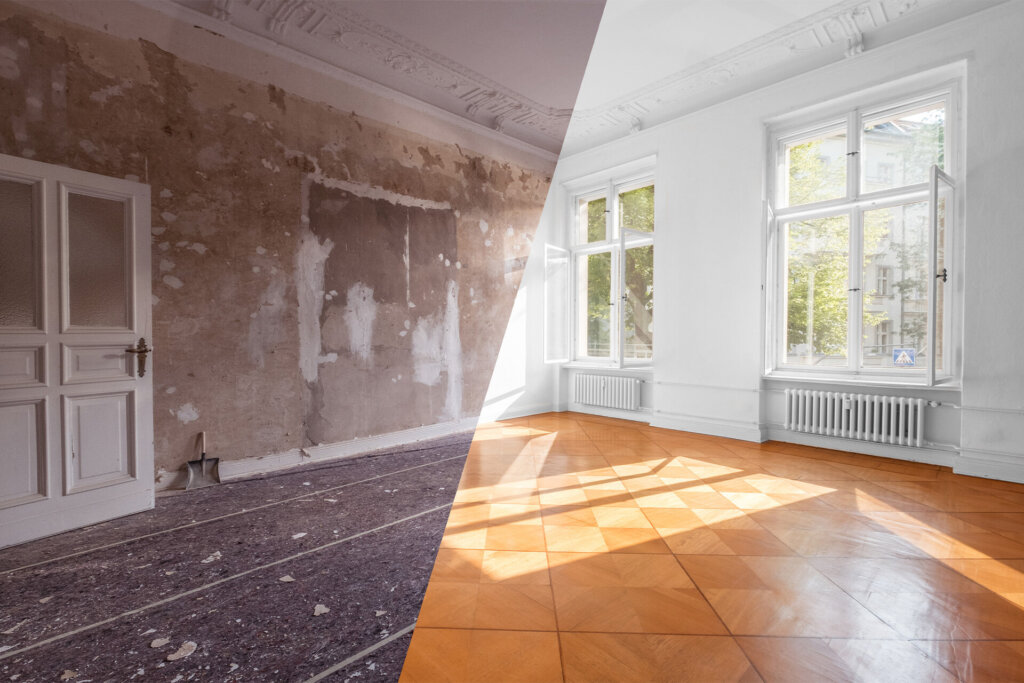
A leaking roof, outdated electrical system, damaged plumbing, wet basement, or years of deferred maintenance can make selling a house feel overwhelming. You may wonder whether buyers will consider the property in its current condition or whether you must spend thousands of dollars before listing it.
For Buffalo homeowners, the answer is not always “repair everything” or “do nothing.” A full renovation may make sense in some situations. In others, selling as-is can be more practical. Sometimes the smartest approach is to complete only the work that stops further damage or removes a major obstacle to the sale.
The goal is not simply to achieve the highest possible sale price. It is to choose the path that gives you the strongest net result after repair costs, holding expenses, selling costs, time, and risk are considered.
Quick Answer
You do not have to repair a distressed house before selling it in Buffalo, NY. Repairs may be worthwhile when the work is limited, predictable, and likely to increase your net proceeds. Selling as-is may be better when the property needs major work, renovation costs are uncertain, or you need a simpler timeline.
Start With Net Proceeds, Not the Future Listing Price
A renovated property may have a higher potential sale price than the same house in distressed condition. However, a higher price does not automatically mean the seller keeps more money.
Before renovating, account for:
- Labor, materials, permits, and inspections
- Property taxes, insurance, utilities, and maintenance
- Cleanup, debris removal, and snow care
- Agent compensation and other selling expenses
- Buyer concessions and unexpected repairs
- Additional months of holding the property
Use this calculation:
Expected sale price after repairs
– renovation expenses
– holding and selling costs
– concessions and contingency reserve
= estimated net proceeds
Compare that figure with the likely net outcome from an as-is listing and a direct cash sale. A lower gross offer can sometimes be competitive when it removes substantial costs, delays, and uncertainty.
Why Buffalo Repair Projects Can Become Complicated
Buffalo has many older single-family houses, upper-lower doubles, multi-family properties, inherited homes, and rentals with aging systems. The City of Buffalo publishes local housing estimates drawn from the U.S. Census Bureau’s American Community Survey, including information about housing age, structure type, and occupancy.
In an older Buffalo property, a cosmetic project can uncover:
- Aging electrical service or older wiring
- Corroded supply lines and drainpipes
- Roof leaks hidden behind plaster
- An old boiler or nonfunctioning heating system
- Basement moisture and damaged masonry
- Frozen or burst pipes
- Deteriorated porches, steps, or railings
- Peeling paint on older surfaces
- Unpermitted alterations
- Open code or property-maintenance concerns
Buffalo’s Department of Permit and Inspection Services handles building permits, construction inspections, property-maintenance enforcement, and related compliance matters.
Before accepting a contractor’s proposal, confirm whether permits, demolition, debris disposal, inspections, and correction work are included. A low estimate that excludes important parts of the project may not reflect what the renovation will actually cost.
Not Every Repair Deserves the Same Priority
Repairs that prevent additional damage should come first. Stopping an active leak, shutting off a broken pipe, securing windows, removing standing water, or restoring enough heat to prevent frozen plumbing may protect the property without requiring a full renovation.
Next, consider problems that could limit financing. A nonworking furnace, severe roof failure, exposed wiring, active water intrusion, or major safety issue may reduce the number of financed buyers able to purchase the house. Requirements vary by lender, insurer, appraiser, loan program, and property condition.
Basic cleanup, debris removal, neutral paint, and small drywall repairs may improve a house that is already close to listing condition. They are less likely to solve the selling problem if the property also needs major roof, electrical, plumbing, foundation, or heating work.
Optional renovations such as premium flooring, designer fixtures, or a full kitchen remodel require more caution. Focus on what buyers in the neighborhood and price range are likely to value rather than renovating according to personal taste.
Compare Your Selling Options Before Paying for Repairs
| Selling path | Best suited for | Upfront expense | Main benefit | Main risk |
|---|---|---|---|---|
| Complete only urgent repairs | Owners who need to stop further deterioration | Low to moderate | Protects the property without a full renovation | May not raise the sale price significantly |
| Renovate and list | Sellers with funding, time, and manageable repairs | High | Greater potential retail price | Cost overruns, delays, and carrying expenses |
| List as-is with an agent | Sellers who want market exposure without renovating | Low to moderate | Access to more buyers | Concessions and financing limitations |
| Sell directly to a cash buyer | Sellers prioritizing simplicity and predictability | Usually low | No traditional renovation or listing process | Offer may be below renovated retail value |
No option is automatically best. Your decision should depend on the property, your finances, your deadline, and the amount of uncertainty you can accept.
When Repairing Before Selling May Be Worthwhile
Renovating may be the stronger option when:
- Most of the problems are cosmetic
- The major systems still function
- You have reliable written contractor estimates
- You can fund the project without financial strain
- You can continue paying taxes, insurance, utilities, and maintenance
- You have time to manage contractors and inspections
- A local agent supports the expected post-repair value
- The likely increase in net proceeds provides a meaningful margin
Do not begin based on one verbal estimate. Obtain detailed proposals and keep a reserve for problems discovered after walls, floors, plumbing, or roofing are opened.
For homes built before 1978, contractors who disturb painted surfaces may need to follow the Environmental Protection Agency’s renovation requirements. Review the EPA’s lead-safe renovation guidance before work begins.
When Selling As-Is May Make More Sense
An as-is sale may be more practical when:
- Several major systems need replacement
- You cannot comfortably fund the work
- The house is vacant or continuing to deteriorate
- You inherited the property and live outside Western New York
- The home contains extensive clutter or unwanted belongings
- Tenants or access limitations make renovation difficult
- The property has open permits or code concerns
- Contractor schedules could delay the sale
- You are dealing with probate, relocation, divorce, foreclosure, or financial pressure
- The possible renovation profit is too small to justify the risk
Selling as-is means the buyer accepts the property’s physical condition as negotiated. It does not automatically eliminate title work, contract obligations, municipal concerns, or applicable disclosure requirements.
The New York Department of State publishes the current Property Condition Disclosure Statement. Ask a qualified New York real estate attorney which requirements or exemptions apply to your transaction.
How to Decide Step by Step
1. Identify Your Main Goal
Decide whether your priority is maximizing possible net proceeds, selling by a firm date, avoiding debt, stopping expenses on a vacant house, settling an inherited property, or avoiding renovation management.
A selling method that works for another homeowner may not solve your particular situation.
2. Document the Property’s Condition
Separate known concerns into:
- Active damage
- Safety issues
- Major systems
- Municipal or permit matters
- Financing obstacles
- Cosmetic work
- Optional improvements
Photographs, estimates, invoices, permits, and code notices can help contractors, agents, attorneys, title professionals, and buyers evaluate the house more accurately.
3. Get More Than One Estimate
Ask contractors to separate urgent work from optional improvements. Confirm whether each proposal includes labor, materials, permits, inspections, demolition, disposal, cleanup, and a realistic completion date.
4. Check the Title Before Investing Heavily
A renovated kitchen will not resolve a missing estate document, unreleased mortgage, judgment, lien, deed problem, or ownership dispute.
The Erie County Clerk maintains recorded deeds, mortgages, judgments, liens, and other land records. A New York real estate attorney or title professional can identify problems that may delay closing.
5. Compare Realistic Net Outcomes
Prepare separate calculations for:
- Renovating and listing
- Completing only essential repairs
- Listing the house as-is
- Selling directly to a cash buyer
Use conservative figures rather than best-case assumptions. Include the potential cost of delays and unexpected work.
6. Review the Certainty of Each Offer
Look beyond the headline price. Review:
- Financing and inspection contingencies
- Proof of funds
- Deposit amount
- Closing date
- Assignment language
- Responsibility for closing expenses
- Whether the buyer can reduce the price later
- What happens if the buyer does not close
The strongest offer is not always the one with the largest initial number. It is the offer most likely to produce the agreed result.
Repair or Sell As-Is? A Realistic Buffalo Example
Imagine an owner inherits an upper-lower Buffalo double that has been vacant through part of the winter. A pipe broke in the lower unit, several plaster walls are damaged, the boiler is aging, and the roof leaks.
This is an illustrative example, not a Shamrock Home Buyers transaction or property valuation.
A local agent estimates that the house could sell for approximately $235,000 after a substantial renovation. Preliminary costs include:
- Roof and water-damage work: $18,000
- Plumbing and heating work: $16,000
- Electrical and safety corrections: $8,000
- Interior repairs: $12,000
- Cleanup, permits, and contingency: $9,000
- Holding and selling expenses: $24,000
The estimated result is:
$235,000 projected sale price – $87,000 estimated costs = $148,000 estimated net proceeds
The owner should compare that $148,000 with the likely net result from an as-is listing and any direct purchase offers.
If the owner has renovation experience, available funds, and no urgent deadline, completing the project may make sense. If the owner lives out of state, cannot supervise contractors, or needs to settle the estate sooner, a somewhat lower but more predictable as-is offer may be reasonable.
The useful comparison is not a cash offer versus the renovated price. It is net proceeds versus net proceeds, together with the time and risk required to reach each outcome.
Common Mistakes to Avoid
Renovating Before Checking the Title
Confirm ownership and recorded issues before investing heavily in the property.
Starting More Work Than You Can Finish
A partially demolished kitchen or unfinished bathroom can make the house harder to finance, market, and show.
Repairing Cosmetics While Damage Continues
New flooring will not help if water is still entering through the roof or basement.
Assuming Every Improvement Adds Equal Value
Correcting an unsafe electrical panel may matter more to buyers than installing premium countertops.
Ignoring Permit Requirements
Unpermitted work can create questions during an inspection, appraisal, municipal review, or later sale.
Concealing Known Problems
An as-is sale should not be used to hide defects or provide inaccurate information. Discuss your disclosure responsibilities with a qualified attorney.
Accepting a Cash Offer Without Reviewing the Buyer
Request proof of funds and ask whether the buyer plans to purchase the property directly or assign the contract.
Frequently Asked Questions
Can I sell a house that needs major repairs in Buffalo, NY?
Yes. You can repair it, list it as-is, or sell directly to a cash buyer. The best option depends on repair costs, your timeline, and expected net proceeds.
Should I repair my Buffalo house before selling it?
Repair it only when the likely increase in net proceeds exceeds the repair, holding, and selling costs. Major or uncertain repairs may make an as-is sale more practical.
Can I sell a Buffalo house with no working furnace?
Possibly. However, a nonworking furnace may reduce buyer interest and create financing, insurance, or winter property-protection concerns.
Do I need to replace the roof before selling?
Not always. A full replacement may help a traditional sale, but stopping active leaks could be enough if you plan to sell as-is.
Can I sell a house with code violations in Buffalo?
Potentially. The violations may affect price, financing, or closing requirements. Contact Buffalo Permit and Inspection Services and obtain legal guidance.
Can I sell an inherited house without making repairs?
Yes, once the seller has legal authority and title requirements are satisfied. Estate and probate circumstances vary, so consult an attorney when needed.
Is it better to list as-is or sell to a cash buyer?
An as-is listing may attract more buyers and potentially a higher price. A direct cash sale may provide fewer contingencies and a more predictable timeline.
How much should I spend on repairs before selling?
Spend only when the expected increase in net proceeds clearly exceeds the repair cost and risk. Prioritize active damage, safety issues, and obstacles that could prevent a sale.
Compare Your Options Before Committing to Repairs
Repairing a distressed house can produce a stronger result when the work is manageable, the costs are predictable, and you have enough time and money to complete the project properly.
It may not be the best choice when several major systems are failing, hidden damage is likely, title or tenant issues remain unresolved, or renovation would create financial strain. In those situations, completing only urgent repairs or selling as-is may provide a safer path.
Homeowners who want broad market exposure can speak with a local real estate agent about an as-is or renovated listing. Those who prefer to avoid repairs, showings, and buyer financing can also compare a direct cash offer.
Shamrock Home Buyers purchases qualifying houses directly in Buffalo and surrounding Western New York communities. You can learn how the home-buying process works or review the option to sell a house in its current condition.
If you want to sell as-is without repairs, realtor commissions, or seller-paid closing costs, contact Shamrock Home Buyers to request a no-obligation property review.
Homeowners in nearby communities can also review information about selling a house in:
Disclaimer: This article provides general educational information and is not legal, tax, financial, construction, environmental, landlord-tenant, or real estate advice. Property conditions and transaction requirements vary. Consult qualified local professionals about your specific situation.