
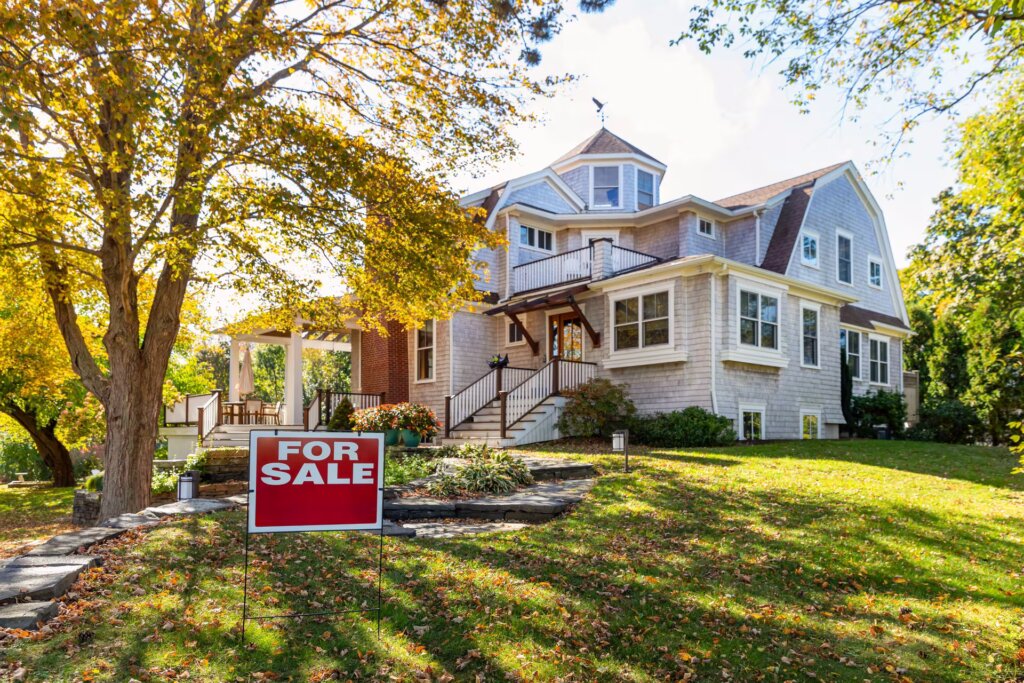
There is no standard percentage that every as-is home in Lancaster sells below market value.
A house with dated paint, older flooring, or worn cabinets may sell only modestly below a similar updated home. A property with an active roof leak, unsafe wiring, foundation movement, basement water problems, or conditions that interfere with mortgage financing may face a much larger price reduction.
The final difference depends on the home’s condition, location, buyer demand, financing eligibility, repair uncertainty, permits, title concerns, and the chosen selling method.
For a broader overview, read our guide to selling a house as-is in Buffalo and Western New York.
Quick Answer
An as-is home in Lancaster usually sells for less than a comparable move-in-ready property, but there is no reliable local percentage that applies to every house. Cosmetic issues may cause a limited adjustment, while major structural, safety, mechanical, water, or financing-related problems can reduce the price much more.
The better question is:
How much will I actually keep after repairs, preparation, selling expenses, carrying costs, and possible buyer concessions?
That calculation provides a fairer comparison between repairing the house, listing it as-is, and selling directly to a cash buyer.
Why There Is No Standard As-Is Discount
“As-is” describes the seller’s intention not to complete repairs before closing. It does not describe one specific property condition.
One Lancaster house may need paint, carpet, cleaning, and minor drywall work. Another may have roof damage, electrical hazards, failed plumbing, basement seepage, unfinished construction, code issues, or structural concerns.
The first may still attract owner-occupants using traditional financing. The second may appeal mainly to renovation buyers, landlords, contractors, or cash investors.
The size of the available buyer pool often affects the price as much as the repair estimate.
Start With the Likely Value After Repairs
Before estimating an as-is price, determine what the property could reasonably sell for after necessary repairs.
In practical terms, this means:
The likely sale price after major problems are corrected, based on genuinely comparable recent sales.
Useful comparable properties should be similar in location, property type, living area, lot size, bedrooms, bathrooms, garage, basement, age, construction, school district, and renovation quality.
Recent closed sales are generally more useful than active listings because asking prices do not show what buyers actually paid.
A local agent, licensed appraiser, or experienced property buyer should be able to explain why each comparable was selected.
Lancaster Location Changes the Comparison
Not every property with a Lancaster mailing address belongs in the same valuation group.
A home inside the Village of Lancaster may compete with a different set of properties than a house farther out in the Town. Lot size, housing style, school district, basement condition, garage type, road exposure, and proximity to services can affect buyer demand.
Sellers should not automatically use every 14086 sale, every online listing labeled Lancaster, or a nearby Depew property with different neighborhood characteristics.
The quality of the comparison matters more than the number of listings reviewed.
How Property Condition Affects the Price
Cosmetic Problems Usually Have a Smaller Effect
Buyers may accept dated cabinets, worn flooring, older bathrooms, or peeling paint if the house is otherwise safe, functional, and eligible for financing.
Cosmetic repairs are also easier to estimate. Buyers can usually see the work and decide whether to complete it after moving in.
Major Systems Create Larger Adjustments
Roofing, electrical, plumbing, heating, foundation, structural, drainage, and water-damage repairs can create larger price reductions.
Buyers consider more than the contractor estimate. They also account for permits, delays, disruption, and possible hidden damage. An active roof leak, for example, may involve sheathing, insulation, ceilings, wiring, and interior finishes.
Financing Problems Can Reduce Competition
A dated home may still qualify for ordinary mortgage financing. A property with serious safety, soundness, or structural problems can be harder to finance.
Fannie Mae’s property-condition guidance explains that deficiencies affecting safety, soundness, or structural integrity may require correction before certain conventional financing can proceed.
When fewer financed buyers can purchase the house, competition may decrease. The remaining buyers may also adjust their offers for repair responsibility and uncertainty.
Repair Costs and Price Reductions Are Not Always Equal
A $30,000 repair does not automatically reduce an offer by exactly $30,000.
A buyer may also consider hidden problems, permits, inspections, contractor delays, financing costs, utilities, insurance, property taxes, cleanup, and the possibility that the final project exceeds the original estimate.
This does not mean every deduction is reasonable. Homeowners should ask how an offer was calculated instead of comparing it only with one contractor quote.
Lancaster Repair Issues That Deserve Attention
Basement Moisture and Drainage
Basement dampness may result from gutters, grading, foundation cracks, drainage problems, or sump-pump failure. Occasional dampness is different from repeated seepage, standing water, mold concerns, damaged finishes, or visible foundation movement.
The source and severity determine the likely effect on value.
Roof, Heating, and Electrical Systems
An older but functioning roof may concern buyers without preventing financing. Active leaks usually have a larger effect because the full repair scope may be unclear.
Western New York buyers also value dependable heating. A failed furnace, damaged boiler, questionable wiring, fuse service, or unsafe electrical panel may affect inspections, insurance, financing, and the buyer’s budget.
Unfinished or Unpermitted Work
Converted rooms, basement living areas, altered porches, additions, and unfinished renovations may raise questions about permits and approved use.
The Village of Lancaster Building Department provides permit information, while the Village Code Enforcement Department addresses property-maintenance issues and violations.
An open permit or code concern may affect buyer confidence, the contract, closing schedule, or offer amount.
Check Title and Property Records Early
A house can be physically ready to sell and still experience delays because of a title issue.
The Erie County Clerk’s land records include deeds, mortgages, mortgage satisfactions, judgments, liens, and other recorded property interests.
Potential concerns include unreleased mortgages, liens, a deceased owner remaining on the deed, missing estate documents, ownership disputes, contractor claims, and incorrect recorded names.
These issues do not always reduce market value, but they can delay closing or require legal and title work.
A New York real estate attorney or title professional should review property-specific concerns. This article is educational and is not legal, financial, tax, appraisal, or contracting advice.
How to Compare Your Net Proceeds
Instead of relying on a generic discount percentage, compare what you may keep under each selling path.
Repair and List
Subtract repair costs, a contingency, preparation, selling expenses, concessions, and carrying costs from the likely repaired sale price.
List As-Is
Subtract agent compensation, closing expenses, preparation, inspection-related concessions, carrying costs, and any lender-required repairs from the likely as-is listing price.
Sell Directly for Cash
Review the written offer for seller-paid costs, fees, required cleanout, repairs, and contingencies. Mortgage payoff, taxes, and liens may apply regardless of the buyer.
The agreement should state clearly who pays each expense.
For more detail, see our guide to pricing a house that needs major repairs.
Net-Proceeds Worksheet
| Calculation | Repair and list | List as-is | Direct cash sale |
|---|---|---|---|
| Expected sale price or offer | $_____ | $_____ | $_____ |
| Repairs and contingency | −$_____ | −$_____ | −$_____ |
| Preparation and cleanout | −$_____ | −$_____ | −$_____ |
| Selling and closing expenses | −$_____ | −$_____ | −$_____ |
| Buyer concessions | −$_____ | −$_____ | −$_____ |
| Carrying costs | −$_____ | −$_____ | −$_____ |
| Estimated net before mortgage, taxes, and liens | $_____ | $_____ | $_____ |
Use the same mortgage payoff, tax balance, and recorded liens across all columns unless an offer treats them differently. This prevents one option from appearing better because a shared expense was omitted.
A Realistic As-Is Home Sale Example in Lancaster, NY
Consider two houses that might sell for similar prices after renovation.
The first has dated cabinets, worn flooring, peeling paint, and an older but functioning furnace. It is habitable, the roof is not leaking, and there are no known structural concerns.
The second has a newer kitchen but active basement seepage, an unfinished electrical project, roof damage, and uncertainty about whether a converted room was permitted.
The second property may receive a much larger as-is adjustment because its problems involve safety, financing, permits, and uncertain repair costs. The first mainly needs visible cosmetic work that an owner-occupant may complete gradually.
This is why appearance alone does not determine an as-is value.
Repair, List As-Is, or Sell for Cash in Lancaster?
| Option | May be a good fit when | Main tradeoff |
|---|---|---|
| Repair and list | Repairs are predictable and likely to increase net proceeds | Requires money, time, and contractor management |
| List as-is with an agent | The home remains marketable to ordinary buyers | Showings, inspections, financing, and concessions may apply |
| Sell directly for cash | You value simplicity, limited preparation, or a predictable timeline | Gross price may be lower than a successful retail sale |
| Keep or rent | You can manage repairs, tenants, and ownership costs | The property and its risks remain your responsibility |
A cash sale is not always the best option. A clean, financeable Lancaster home may perform better with traditional market exposure.
A direct sale may make more sense when repairs are expensive, the property is vacant, the owner lives outside the area, or the seller does not want to manage an uncertain renovation.
You can compare this route on our Lancaster cash home buyer page or review how the buying process works.
Questions to Ask Before Accepting an Offer
Ask whether the buyer is purchasing directly, whether the contract can be assigned, whether proof of funds is available, and whether the price can change after inspection.
Also confirm who pays closing expenses, whether fees apply, what happens if a title issue appears, which cancellation rights exist, and whether your attorney can review the agreement.
A slightly lower offer with clear terms and fewer contingencies may be more dependable than a higher offer that allows easy renegotiation or cancellation.
Does Selling As-Is Remove New York Disclosure Requirements?
No. An as-is agreement and a property disclosure are not the same thing.
New York law generally requires covered residential sellers to provide a property condition disclosure statement before the buyer signs a binding contract, subject to statutory exemptions. Selling as-is does not automatically allow a seller to hide known defects or ignore other legal obligations.
Homeowners can review New York Real Property Law Section 462 and speak with a qualified New York real estate attorney about their transaction.
Important Disclaimer: This article is provided for general educational purposes only and does not constitute legal, tax, financial, appraisal, inspection, contracting, or real estate advice. Property values, repair costs, financing requirements, disclosure obligations, title concerns, and closing timelines vary by property and transaction. Selling a home as-is does not automatically eliminate a seller’s legal or disclosure responsibilities. Before making a decision, consult the appropriate qualified professionals, such as a New York real estate attorney, licensed real estate agent or appraiser, tax professional, home inspector, contractor, lender, or title company.
Frequently Asked Questions
How much less do as-is homes sell for in Lancaster, NY?
There is no fixed local percentage. A dated but functional home may sell modestly below renovated comparables, while major structural, water, electrical, roof, heating, permit, or financing problems can create a much larger difference.
How is an as-is home’s value calculated in Lancaster?
Start with comparable repaired sales. Then account for repair costs, condition, financing eligibility, location, hidden-problem risk, and the number of buyers likely to compete.
Which repairs reduce an as-is home’s price the most?
Structural damage, roof leaks, foundation problems, unsafe wiring, failed plumbing, water damage, and nonfunctioning heating systems usually affect value more than cosmetic wear.
Can I sell my Lancaster house as-is without repairs?
Yes. You may list with an agent, sell by owner, or accept a direct cash offer. The best choice depends on the property, your timeline, and expected net proceeds.
Can a buyer finance an as-is house?
Possibly. Cosmetic issues may not prevent financing, but safety, structural, habitability, or major system problems can lead to lender-required repairs or fewer loan options.
Is a cash offer always lower than an as-is listing price?
Not always. An open-market listing may produce a higher gross price, but compare commissions, concessions, carrying costs, closing expenses, financing risk, and preparation work.
Do New York disclosure rules apply to an as-is sale?
Selling as-is does not automatically remove disclosure obligations. Requirements and exemptions vary, so sellers should consult a qualified New York real estate attorney.
Compare Your Lancaster Selling Options
The best decision is not always the option with the highest advertised sale price. It is the path that provides an acceptable net result while matching your available money, timeline, and willingness to manage repairs.
Compare the likely repaired value, written contractor estimates, risk of additional work, probable as-is listing proceeds, full terms of any direct offer, and the responsibility required by each path.
If you want to sell as-is without completing repairs, paying realtor commissions, or managing a traditional listing, Shamrock Home Buyers can review your Lancaster property and explain its local cash offer.
You can request a no-obligation cash offer and compare it with repairing or listing before making your decision.