
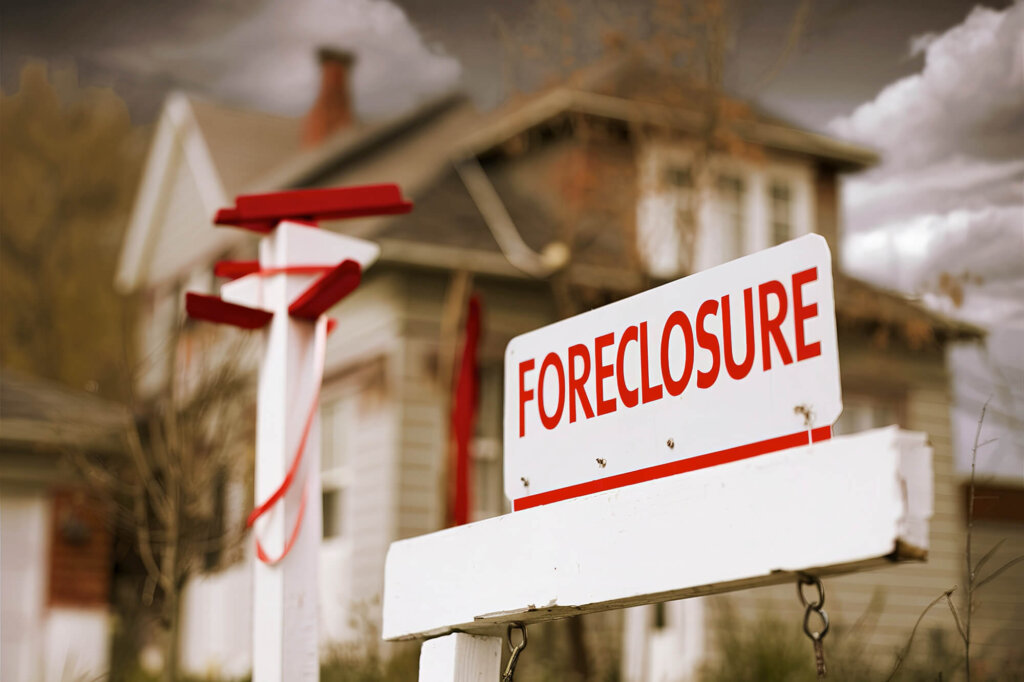
If you are behind on mortgage payments in Buffalo, one of the first questions that probably comes to mind is simple: how much time do I have to sell before foreclosure?
The honest answer is that it depends on where you are in the process. A homeowner who just received a 90-day pre-foreclosure notice usually has more options than someone with a court-ordered sale date already scheduled. Property condition, title issues, liens, unpaid taxes, tenants, probate, and buyer financing can all affect how quickly a sale can close.
For many Buffalo and Western New York homeowners, the real question is not only “Can I sell?” It is “Can I sell in time?”
This guide explains what affects the timeline, what to do first, and how to compare your options if you need to sell your house fast in Buffalo before foreclosure becomes final.
Quick Answer
In Buffalo, NY, selling a house before foreclosure can take anywhere from a few days to several months depending on the selling method and the property’s situation.
A traditional sale may take longer because of repairs, showings, inspections, buyer financing, appraisal requirements, and closing delays. A cash sale may be faster because there is no buyer mortgage approval, but the closing still depends on title, payoff statements, liens, taxes, and how close the foreclosure sale date is.
If you are already close to a foreclosure auction or sale date, talk with your lender, a foreclosure attorney, a HUD-approved housing counselor, or a title professional as soon as possible.
Can You Sell a House Before Foreclosure in Buffalo, NY?
In many situations, yes. A homeowner may be able to sell a house before foreclosure is completed as long as the sale closes before the foreclosure sale transfers ownership. The buyer, title company, lender, attorneys, and any other required parties must be able to move quickly enough to complete the transaction.
New York is a judicial foreclosure state, which means mortgage foreclosure generally goes through the court system. The New York Courts foreclosure case basics page explains that the court foreclosure process can take about a year from the start of the case to the sale of the home, although timelines vary.
That does not mean every homeowner has a year left. If you ignored notices, missed court deadlines, or already have a judgment of foreclosure and sale, your available time may be much shorter.
The Three Questions to Answer First
If you are worried about foreclosure, you are probably trying to answer three urgent questions:
- How far along is the foreclosure process?
- Is selling still possible before the deadline?
- Which selling option gives you the best chance of closing in time?
The sooner you answer those questions, the more control you may have. Waiting until the last week before a foreclosure sale can make even a simple sale harder because payoff statements, title work, lien searches, and closing documents all take time.
Where You Are in the Foreclosure Process Matters
Your selling timeline depends heavily on what notice or court document you have received.
If You Received a 90-Day Pre-Foreclosure Notice
Under New York law, a mortgage holder generally must send a 90-day pre-foreclosure notice at least 90 days before starting a foreclosure case. This notice is important because it gives you time to contact your lender, look into loss mitigation, speak with a housing counselor, and decide whether keeping or selling the home makes more sense.
At this stage, you may still have several options, including:
- Catching up on missed payments
- Applying for a loan modification
- Asking about a repayment plan
- Selling the home traditionally
- Requesting an as-is cash offer
- Speaking with a foreclosure attorney or housing counselor
This is usually a better time to act than after the court case is farther along.
If a Foreclosure Case Has Already Started
If you received a summons and complaint, the foreclosure case has moved into court. You may still be able to sell, but you should not ignore the court papers.
New York Courts explains that eligible homeowners may have a foreclosure settlement conference, where the homeowner and lender discuss whether the case can be resolved. This may include options such as a loan modification, repayment arrangement, short sale, or other loss mitigation path.
Even if you plan to sell, it is wise to understand the court timeline and any deadlines.
If a Sale Date Is Already Scheduled
If a foreclosure sale, sheriff sale, referee sale, or auction date is already scheduled, time becomes much tighter. Selling may still be possible in some cases, but the sale must close before the deadline. That means the buyer must be serious, the funds must be available, and title must be cleared quickly.
At this point, a financed buyer may be risky because mortgage approval, appraisal, and underwriting can create delays. A local cash buyer may be worth comparing, but you should still confirm that the buyer can actually close and that the title company can complete the work in time.
How Long Does a Traditional Sale Usually Take Before Foreclosure?
A traditional listing may work if you have enough time and the house is in marketable condition. But a retail sale is not just about finding a buyer. You also have to get from accepted offer to closing.
A traditional sale may involve:
- Cleaning and preparing the property
- Pricing and listing the home
- Photos and showings
- Buyer negotiations
- Home inspection
- Repair requests
- Appraisal
- Buyer mortgage approval
- Title search
- Payoff coordination
- Final closing documents
If the home is in good shape and there is enough time before the foreclosure sale date, listing with an agent may help you reach more buyers. This may be a better fit if your goal is to test the open market and you are not facing an immediate deadline.
However, if the property needs major repairs or has unresolved issues, a traditional sale can become harder.
Why Buffalo Homes Facing Foreclosure Can Take Longer to Sell
Buffalo and Western New York have many older homes, two-family houses, rental properties, and inherited properties. These homes can be valuable, but they can also come with issues that slow down a sale.
Common local problems include:
- Older doubles and duplexes on Buffalo’s East Side, West Side, South Buffalo, Riverside, Black Rock, and Kaisertown
- Vacant inherited homes that sat through winter without proper maintenance
- Frozen pipes, burst plumbing, roof leaks, foundation issues, or water damage
- Outdated electrical or plumbing systems
- Unpaid water bills, tax balances, or municipal charges
- Open code violations or required repairs
- Tenant-occupied multi-family properties in Erie County
- Estate properties where heirs live outside Western New York
- Title issues from old deeds, judgments, liens, or probate delays
For example, a house that looks sellable from the outside may still have title issues, unpaid taxes, or municipal charges that need to be resolved before closing. That is why homeowners should not wait until the last minute to request a payoff, speak with a title company, or compare selling options.
Mortgage Foreclosure vs. Tax Foreclosure in Buffalo
Not every foreclosure situation is the same. A mortgage foreclosure is different from a property tax or municipal foreclosure.
If your issue involves missed mortgage payments, your lender or mortgage servicer is usually the main party involved. If the issue involves unpaid taxes, user fees, sewer rent, or other municipal charges, local government processes may apply.
The City of Buffalo In Rem Foreclosure page explains that Buffalo’s departments of Assessment and Taxation and Law are involved in collecting delinquent accounts through the In Rem foreclosure process. Erie County also maintains auction and foreclosure information through Erie County Real Property Tax Services.
Because these processes can differ, homeowners should confirm exactly what type of foreclosure or delinquency they are dealing with before deciding what to do next.
What to Do First If Foreclosure Is Already Moving Forward
If you need to sell a house before foreclosure in Buffalo, NY, start with the basics. These steps can help you understand your timeline and avoid wasting time on the wrong selling path.
1. Find the Most Recent Notice or Court Document
Look for any document that mentions:
- 90-day pre-foreclosure notice
- Summons and complaint
- Settlement conference
- Judgment of foreclosure and sale
- Referee sale
- Sheriff sale
- Auction date
- Tax foreclosure
- In Rem foreclosure
The most recent document usually gives the clearest picture of where you are in the process.
2. Contact Your Lender or Servicer
Ask for the current reinstatement amount and payoff amount. If you are trying to sell, the title company will likely need an official payoff statement. Payoff delays can slow down a closing, so this should be handled early.
3. Speak With a Qualified Professional
This article is for general education and is not legal, tax, or financial advice. If foreclosure, liens, bankruptcy, probate, divorce, tenants, or tax issues are involved, speak with the right professional.
Helpful resources may include:
- A foreclosure attorney
- A real estate attorney
- A HUD-approved housing counselor
- A title company
- Your lender or loan servicer
- Erie County or City of Buffalo offices, depending on the issue
HUD provides resources for homeowners who need help avoiding foreclosure. New York homeowners can also review foreclosure assistance information from the New York State Department of Financial Services.
4. Decide Whether You Want to Keep or Sell the Home
If you want to keep the home, ask about loan modification, repayment, reinstatement, or other loss mitigation options. If you know you need to sell, focus on the selling path that can realistically close before the foreclosure deadline.
5. Compare the Timeline, Not Just the Offer Price
A higher offer may not help if the buyer cannot close in time. Before accepting an offer, ask whether the buyer has proof of funds, whether there are inspection or financing contingencies, and who will coordinate with the lender or title company.
Your Main Options Before a Foreclosure Sale
| Option | Best Fit | Possible Advantage | Possible Risk |
|---|---|---|---|
| Loan modification | You want to keep the home and can afford adjusted payments | May help you avoid selling | Approval is not guaranteed and can take time |
| Repayment plan | Your hardship was temporary | May help catch up missed payments | Requires enough income to maintain payments |
| Traditional listing | The home is marketable and there is enough time | May attract retail buyers | Repairs, inspections, financing, and appraisals can delay closing |
| Short sale | You owe more than the home may sell for | May help avoid completed foreclosure | Lender approval is required and can be slow |
| As-is cash sale | You need speed, certainty, or no repairs | No repairs, no showings, no buyer mortgage approval | Cash offer may be lower than a fully repaired retail sale |
| Attorney-guided legal option | Sale date is close or legal issues exist | May protect your rights | Requires professional legal guidance |
No single option is best for every homeowner. The right path depends on the property, debt, timeline, condition, and your goals.
When Selling As-Is May Make Sense
Selling as-is may make sense if the house needs repairs you cannot afford or if the foreclosure timeline does not leave enough room for a traditional sale.
This is common with:
- Vacant homes that need cleanout
- Duplexes with problem tenants
- Inherited houses with deferred maintenance
- Properties with code violations
- Homes with roof, plumbing, electrical, or foundation problems
- Rental properties with unpaid rent or difficult access
- Houses with water damage after a Buffalo winter
- Homes where the owner has already relocated out of state
If you are comparing this option, Shamrock Home Buyers explains its local cash buying process on the How We Buy Houses page. You can also review the general Sell Your House page to understand how an as-is cash sale works.
When Listing With an Agent May Be Better
A cash sale is not always the best option. Listing with a real estate agent may be better if:
- You have several months before any sale date
- The house is clean and financeable
- Repairs are minor
- There are no major title or lien issues
- You want full market exposure
- You are comfortable with showings and inspections
If you have time, comparing both paths can help you make a better decision. Some homeowners request a cash offer first, then speak with an agent. Others list first, then explore a cash sale if the listing does not move quickly enough.
A Buffalo Homeowner Example: When Timing Becomes the Real Problem
For example, imagine a homeowner in South Buffalo inherited an older two-family property. One unit has been vacant for months, the other has a tenant who is behind on rent, and the owner recently discovered roof damage and unpaid water charges.
Listing the home might still be possible. But a financed buyer could ask for repairs, inspections, tenant access, and extra time for underwriting. If a foreclosure deadline is approaching, the biggest issue is not only the sale price. It is whether the sale can close before the deadline.
In that situation, the homeowner may want to compare three paths quickly:
- Speak with the lender or a housing counselor about keeping the home
- Ask a local real estate agent whether a fast listing is realistic
- Request an as-is cash offer from a local buyer who can review the property without repairs or showings
This is only an example. Exact timelines vary by lender, court status, title company, attorney, property condition, and whether there are liens, taxes, tenants, or probate issues.
Mistakes That Can Cost You Time Before a Foreclosure Deadline
Waiting Until the Auction Date Is Too Close
Even if a buyer pays cash, a closing still requires title work, payoff statements, deed preparation, and settlement coordination. Waiting too long can reduce your options.
Assuming You Cannot Sell Once Foreclosure Starts
Many homeowners think it is too late once a foreclosure case begins. That is not always true. Selling may still be possible before the foreclosure sale is completed, but timing matters.
Ignoring Court or Lender Notices
Do not ignore documents from the court, lender, county, or City of Buffalo. These notices may contain deadlines, conference dates, or sale information.
Spending Money on Repairs Without a Clear Plan
Repairs can help in a traditional sale, but they may not make sense if you are short on time or money. Before spending thousands on repairs, compare the likely return and timeline.
Accepting an Offer Without Asking About Proof of Funds
If foreclosure is approaching, certainty matters. Ask whether the buyer has proof of funds and whether the offer depends on inspections, financing, appraisal, or selling another property.
Forgetting About Title, Taxes, and Municipal Balances
Unpaid taxes, water bills, judgments, liens, estate issues, and code violations can slow down closing. Bring these issues up early so the buyer and title company can evaluate them.
Questions to Ask a Cash Home Buyer Before You Choose One
If you are considering a cash sale before foreclosure, ask direct questions:
- Are you local to Buffalo or Western New York?
- Do you buy houses as-is?
- Do I need to clean out the property?
- Can you show proof of funds?
- Are there any commissions, fees, or closing costs?
- Will you still buy if there are tenants?
- How do you handle liens, taxes, or payoff coordination?
- What title company or closing professional will be involved?
- Is there any obligation if I request an offer?
- What could delay closing?
A trustworthy buyer should be willing to explain the process clearly and give you time to compare your options.
FAQs About Selling a House Before Foreclosure in Buffalo, NY
How long does it take to sell a house before foreclosure in Buffalo, NY?
Selling a house before foreclosure in Buffalo can take a few days, several weeks, or a few months depending on the selling method, foreclosure deadline, title status, mortgage payoff, liens, taxes, tenants, and property condition. A traditional sale usually takes longer. A cash sale may move faster, but closing still depends on title and lender coordination.
Can I sell my house before foreclosure is final in New York?
Yes, many New York homeowners can sell before foreclosure is final if the sale closes before ownership transfers through the foreclosure sale. The closer you are to the sale date, the more important it is to confirm your timeline with your lender, attorney, and title company.
How long do I have after receiving a 90-day pre-foreclosure notice in New York?
A 90-day pre-foreclosure notice generally means the lender must wait at least 90 days before starting a foreclosure case. It does not mean your home will be sold exactly 90 days later. Use that time to contact your lender, review workout options, speak with a housing counselor or attorney, and compare selling options.
Is it too late to sell if I already have a foreclosure sale date in Erie County?
Not always, but time is limited. If a foreclosure sale date is already scheduled in Erie County, the sale usually needs to close before that date. A cash buyer may be more practical than a financed buyer, but payoff statements, title work, liens, taxes, and closing documents still need enough time.
Can a cash home buyer stop foreclosure in Buffalo?
A cash home buyer does not automatically stop foreclosure. However, if the buyer purchases the property and the mortgage is paid off before the foreclosure sale, the completed sale may resolve the foreclosure issue. The key is whether the closing can happen before the legal deadline.
Is a cash sale faster than listing with a real estate agent?
A cash sale may be faster because there is no buyer mortgage approval, lender appraisal, or underwriting process. However, it is not instant. Title issues, payoff delays, unpaid taxes, liens, probate, tenants, municipal balances, or missing documents can still slow down the closing.
Should I list my house or sell for cash before foreclosure?
Listing may be better if you have enough time, the house is in good condition, and you want full market exposure. A cash sale may be better if the house needs repairs, has tenants, has code violations, or you need a more certain closing timeline before foreclosure.
Can I sell a house with liens, back taxes, or unpaid water bills in Buffalo?
Yes, but liens, back taxes, unpaid water bills, and municipal charges usually need to be reviewed before or during closing. A title company can help identify what must be paid from the sale proceeds. These issues can delay closing if they are discovered too late.
Can I sell a house with code violations before foreclosure in Buffalo?
Yes, some buyers purchase houses with code violations as-is. Traditional buyers may ask for violations to be corrected before closing, especially if they need financing. A local cash buyer may be more comfortable reviewing the property in its current condition.
Can I sell a tenant-occupied house before foreclosure in Western New York?
Yes, but tenants can affect access, showings, inspections, and buyer expectations. This is common with Buffalo duplexes, multi-family homes, and rental properties across Western New York. A buyer experienced with tenant-occupied properties may be a better fit if time is limited.
How can Shamrock Home Buyers help Buffalo homeowners before foreclosure?
Shamrock Home Buyers can review a Buffalo or Western New York property as-is and explain what a local cash offer may look like. This may help homeowners who do not have time for repairs, showings, buyer financing, or a traditional listing before a foreclosure deadline.
Selling As-Is Before Foreclosure in Buffalo: A Local Cash Offer Option
For homeowners in Buffalo or nearby Western New York communities who know they need to sell but do not have time for repairs, showings, or a financed buyer, Shamrock Home Buyers can review the property as-is and explain what a local cash offer may look like.
This may be helpful if you are dealing with an older home, vacant property, inherited house, tenant-occupied rental, code violations, tax balances, or a foreclosure deadline. You can learn more about the process on the How We Buy Houses page, read common questions on the FAQ page, or request a no-obligation review through the cash offer form.
There is no pressure to accept an offer. The goal is to understand your options, compare timelines, and choose the path that makes the most sense for your situation.