
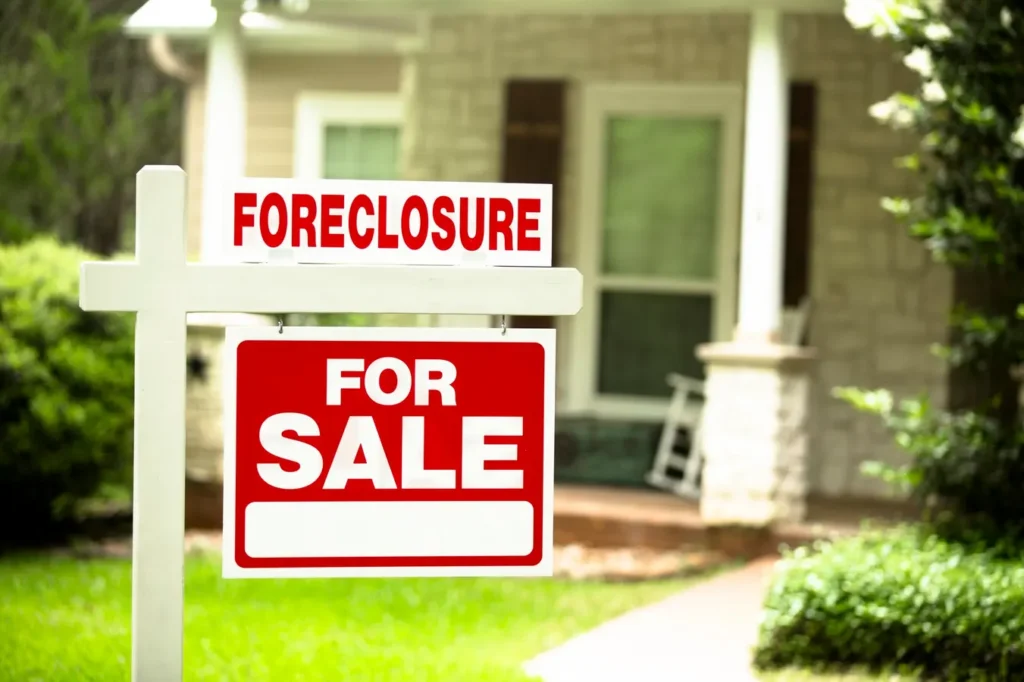
If you have fallen behind on your mortgage in Amherst, selling the house may be one way to avoid losing it through foreclosure. But there is an important distinction: deciding to sell, listing the property, or even accepting an offer does not automatically stop a foreclosure case.
What matters is whether the sale can actually close in time and whether the mortgage, liens, taxes, and other title issues can be resolved through the transaction.
For some Amherst homeowners, selling is the most practical path. For others, keeping the home through a repayment arrangement, loan modification, or another loss-mitigation option may deserve attention first.
A homeowner who is a few payments behind and has substantial equity is in a very different position from someone whose foreclosure auction is approaching or whose mortgage balance may exceed the likely sale price. Understanding where you stand is the first step.
Can Selling Your House Stop Foreclosure in Amherst?
Yes, selling a house can stop foreclosure if the sale closes in time and the mortgage and other required claims are resolved at closing or through an approved arrangement. Simply listing the house or signing a purchase contract does not, by itself, stop a foreclosure case.
New York mortgage foreclosure proceeds through the court system. The New York State Unified Court System’s foreclosure guidance explains the major stages of the process, from the foreclosure case through judgment and sale.
The practical question is not simply, “Can I sell?” It is:
Can the property be sold and closed successfully within the time available?
That depends on the foreclosure stage, mortgage payoff, equity, property condition, title issues, and the selling method you choose.
First, Find Out What Kind of Foreclosure Problem You Have
Not every foreclosure-related problem follows the same process.
An Amherst homeowner who is behind on a mortgage may be dealing with a mortgage foreclosure lawsuit. A homeowner with unpaid property taxes may be dealing with a separate tax lien foreclosure process.
Those situations should not be treated as interchangeable.
For mortgage foreclosure, New York Courts provides information about pre-foreclosure notices, court papers, settlement conferences, judgments, and foreclosure sales.
Erie County separately maintains tax auction and foreclosure information through Real Property Tax Services. The county publishes notices and documents connected with active in-rem tax lien foreclosure proceedings.
Before making a selling decision, identify the debt involved and review the official notices you have received. Advice about mortgage foreclosure may not apply to a property-tax foreclosure situation.
Where Are You in the Mortgage Foreclosure Process?
Your options can change as the process moves forward.
You Have Missed Payments but No Case Has Been Filed
This is often a good time to compare alternatives.
Contact the mortgage servicer and ask for:
- the amount needed to bring the loan current;
- the estimated mortgage payoff;
- fees or advances added to the account;
- available loss-mitigation options.
Then estimate what the property could realistically sell for.
An Amherst homeowner with a market-ready house, meaningful equity, and enough time may benefit from considering a traditional real estate listing.
A homeowner dealing with major repairs, deferred maintenance, a difficult cleanout, or another condition problem may also want to compare an as-is sale. Shamrock Home Buyers explains its local direct-sale option on its page about selling a house fast in Amherst, NY.
The goal is not to choose the fastest option automatically. It is to compare realistic net proceeds, timing, repair requirements, and closing risk.
You Received a 90-Day Pre-Foreclosure Notice
Do not ignore the notice, but do not assume that it means your house will be sold immediately.
New York Courts explains that a mortgage holder generally must send a 90-day pre-foreclosure notice at least 90 days before beginning a foreclosure case. The notice gives the homeowner an opportunity to seek help and explore possible solutions.
Use the time to answer practical questions:
- How much is needed to bring the loan current?
- What is the estimated payoff?
- Does the house have enough equity for a normal sale?
- Would repairs affect the likely selling path?
- Is keeping the house financially sustainable?
- How much time would each selling method realistically require?
Online home-value estimates alone are not enough. What matters is the likely net result after the mortgage payoff, liens or judgments affecting title, taxes, and the expenses associated with the chosen selling method.
A Foreclosure Lawsuit Has Been Filed
A filed foreclosure case does not necessarily mean a sale is impossible.
In qualifying residential cases, New York’s foreclosure process includes a settlement conference intended to explore whether the case can be resolved. New York Courts explains that the conference is a meeting involving the homeowner, the plaintiff, and the court to discuss the case and possible resolution.
Homeowners can review the court system’s foreclosure settlement conference information and continue paying close attention to court documents and deadlines.
Possible alternatives may include loan-related loss mitigation, a short sale, or a deed in lieu, depending on the homeowner’s circumstances and lender approval. The New York State Department of Financial Services provides an overview of foreclosure alternatives.
A Foreclosure Sale Is Approaching
An approaching auction date makes legal and closing coordination especially important.
Do not assume that listing the property, accepting an offer, or signing a contract automatically pauses the foreclosure.
At this stage, confirm the exact status of the case and speak promptly with a qualified New York foreclosure attorney. A buyer, investor, or real estate agent cannot replace legal advice about what must happen in your specific case.
Selling Is One Option, Not the Only Option
A homeowner facing foreclosure deserves a real comparison, not a one-option sales pitch.
| Option | May Make Sense When | Main Advantage | Main Limitation |
|---|---|---|---|
| Bring the loan current | You can afford the required amount | You keep the home | Requires enough money to resolve the default |
| Loan modification or other loss mitigation | You want to stay and can support a workable payment | May allow you to keep the property | Approval is not automatic |
| Traditional listing | The home is marketable and there is enough time | Broad exposure to buyers | Repairs, showings, financing, and appraisal can affect timing |
| Direct as-is sale | Condition, simplicity, or timing is a major concern | Can reduce repair and financing complications | Offer may be below potential retail market value |
| Short sale | Likely proceeds may not cover the mortgage balance | May provide an alternative to foreclosure | Requires lender involvement |
| Deed in lieu | Other options are not workable and the lender agrees | Another possible way to resolve the matter | You surrender ownership |
For homeowners who are considering selling rather than keeping the property, it can help to understand how timing, property condition, equity, and the foreclosure stage may affect the decision. Shamrock Home Buyers also explains practical considerations for homeowners looking to sell a house to avoid foreclosure in Buffalo, NY.
The strongest choice depends on your actual goal.
Do you want to keep the house? Maximize net proceeds? Avoid spending money on repairs? Complete a sale within a limited timeline?
Different goals can lead to different decisions.
When Selling As-Is May Be Worth Comparing
An as-is sale may be worth considering when the condition of the property creates an obstacle to a traditional sale or financed purchase.
Examples may include:
- an aging or leaking roof;
- plumbing or electrical problems;
- basement water problems;
- foundation concerns;
- storm or snow damage;
- extensive deferred maintenance;
- major cleanout needs;
- code or property-maintenance concerns;
- tenant or occupancy complications;
- significant cosmetic updating.
Selling as-is does not erase mortgages, liens, unpaid taxes, judgments, or title defects. Those issues still need to be identified and handled during the closing process.
The Erie County Clerk’s land records information explains that the Clerk records and maintains property documents including deeds, mortgages, mortgage assignments and satisfactions, judgments, and liens.
What Can Delay a Foreclosure-Related Home Sale?
A buyer saying, “We can close quickly,” is not the same as the property being ready to close.
Possible delays include:
- obtaining an accurate mortgage payoff;
- multiple mortgages;
- liens or judgments;
- unpaid property taxes;
- probate or estate issues;
- ownership disputes;
- missing deed or title information;
- short-sale approval;
- multiple lienholders;
- an auction date too close for the proposed closing.
This is why a homeowner should ask about proof of funds, title review, contingencies, closing costs, and what could delay or prevent the transaction.
Homeowners considering Shamrock’s direct-sale option can review how Shamrock Home Buyers buys houses. Its published process describes a direct purchase, property walkthrough, cash offer, and closing through a title company.
How to Approach Selling a House During Foreclosure in Amherst
1. Gather Your Documents
Collect recent mortgage statements, lender notices, the 90-day notice if you received one, court papers, settlement conference notices, tax notices, and any auction-related documents.
Work from the actual documents rather than memory.
2. Contact the Mortgage Servicer
Ask for current information about:
- the default amount;
- reinstatement amount;
- estimated payoff;
- available loss-mitigation options.
The amount needed to bring a loan current can be different from the amount needed to pay it off through a sale.
3. Identify Title Problems Early
A title company or qualified attorney can help determine whether mortgages, liens, judgments, estate issues, unpaid taxes, or ownership problems may affect closing.
Discovering these issues early gives the people handling the transaction more time to understand what must be resolved.
4. Compare Real Numbers
For a traditional listing, consider the likely sale price along with repair expenses, agreed commissions, concessions, carrying costs, and realistic closing time.
For a direct cash offer, compare the purchase price, contingencies, proof of funds, closing costs, and likelihood of closing on the proposed schedule.
Do not compare only the gross numbers. Compare the expected net result and realistic timeline.
5. Confirm the Foreclosure Timeline
When a foreclosure case or scheduled sale is involved, have the appropriate professionals confirm what must happen for the transaction to close successfully.
Do not rely only on verbal promises that someone will “handle everything.”
6. Choose the Path That Fits Your Goal
The right choice may be keeping the property, listing it, selling as-is, pursuing a short sale, or considering another lender-approved solution.
The decision should come from the numbers, the timeline, and your priorities.
An Example of How an Amherst Homeowner Might Compare the Options
Consider an Amherst homeowner who lost income, fell behind on mortgage payments, and has a roof leak that has been postponed for two winters.
The house may still have enough equity for a normal sale, but the homeowner has competing concerns. The foreclosure process is moving forward, while a buyer using mortgage financing may ask for repairs, concessions, or additional time.
The homeowner should not automatically choose a cash buyer. But they also should not automatically assume a traditional listing will produce the better overall result.
A useful comparison would include:
- expected net proceeds from a listed sale;
- likely repair or concession costs;
- realistic marketing and closing time;
- current mortgage payoff;
- title issues that must be resolved;
- terms and certainty of any direct cash offers.
The answer could be a traditional listing.
It could be a direct sale.
Or, if the homeowner wants to remain in the property, a workable loss-mitigation option may deserve attention first.
The purpose of comparing options is to make a decision based on actual facts instead of fear.
Questions to Ask Any Cash Home Buyer
Before signing a contract, ask:
- Are you purchasing the property yourself or assigning the contract?
- Can you provide proof of funds?
- How was the offer calculated?
- Are there inspection, financing, or other contingencies?
- Can the purchase price change after signing?
- Who pays which closing costs?
- Who handles title and closing?
- What happens if a lien or title issue is discovered?
- Does the proposed closing date fit the foreclosure timeline?
- Can my attorney review the agreement before I sign?
The New York State Department of Financial Services provides homeowner information about the Home Equity Theft Prevention Act, including protections that may apply to certain covered transactions involving homes in foreclosure or default.
Never sign a contract with blank spaces or terms you do not understand.
Common Mistakes to Avoid
Waiting Without Checking the Actual Status
Ignoring letters and court papers does not create more time. Find out what is owed, whether a case has been filed, and whether a sale has been scheduled.
Assuming an Accepted Offer Stops Foreclosure
An accepted offer is not the same as a completed closing. A pending transaction must fit the legal and foreclosure timeline.
Looking Only at the Highest Price
Compare expected net proceeds, repairs, transaction expenses, carrying costs, contingencies, and closing certainty.
Making Major Repairs Before Comparing the Numbers
Repairs may increase marketability, but spending thousands of dollars is not automatically the best decision when time and cash are limited.
Accepting Pressure Instead of Asking Questions
A legitimate transaction should be understandable. You should know the price, major contract terms, contingencies, expected closing process, and what could delay the sale.
Where Amherst Homeowners Can Get Independent Help
Homeowners do not have to rely only on information from a buyer or real estate company.
The New York State Unified Court System provides official information about the foreclosure process.
The New York State Department of Financial Services maintains information about nonprofit housing counseling agencies serving homeowners in default and foreclosure.
HUD also provides a housing counselor search resource.
Local homeowners may also review resources from the Western New York Law Center, which provides civil legal services in Western New York.
Independent professional guidance is especially important when an auction is approaching, court papers are unclear, multiple liens affect the property, ownership is disputed, or bankruptcy is being considered.
This article provides general educational information and is not legal, tax, or financial advice. Exact procedures and timelines may vary based on the lender, court case, debt involved, property title, and individual circumstances.
Frequently Asked Questions About Selling During Foreclosure in Amherst, NY
Can selling my house stop foreclosure in Amherst, NY?
Yes. A completed sale may stop foreclosure if it closes in time and the mortgage and other required claims are resolved. Simply listing the property or signing a contract does not automatically stop the foreclosure process.
Can I sell after a foreclosure lawsuit has been filed in New York?
Possibly. A filed foreclosure case does not always prevent a sale, but the stage of the case, available time, mortgage payoff, and title issues matter. Continue responding to court requirements while exploring your options.
Can I sell my Amherst house before a foreclosure auction?
A sale may still be possible, but timing becomes critical. Do not assume that accepting an offer automatically cancels the auction. Confirm the case status and get appropriate legal and closing guidance.
Does putting my house on the market stop foreclosure?
No. Listing the house does not automatically stop foreclosure. Even an accepted offer is different from a completed closing, so the proposed sale must be coordinated with the actual foreclosure timeline.
How do I find out what stage of foreclosure I am in in New York?
Review your documents for a 90-day notice, summons and complaint, settlement conference notice, judgment papers, or auction information. A qualified New York foreclosure attorney or housing counselor can also help explain the stage of the process.
What happens to my equity if I sell before foreclosure?
If the property sells for enough to cover the mortgage, liens, taxes, and transaction costs, the remaining net proceeds generally go to the seller. Ask for an estimated net proceeds calculation before choosing a selling method.
What if I owe more than my Amherst house is worth?
A lender-approved short sale may be one possible option. Short sales require lender involvement and may also require other lienholders to approve or resolve their claims.
Is mortgage foreclosure the same as tax foreclosure in Amherst, NY?
No. Mortgage foreclosure and property-tax foreclosure are different processes. Mortgage foreclosure generally involves a mortgage default and court case, while unpaid property taxes can lead to a separate Erie County tax enforcement and foreclosure process.
Should I list with an agent or sell to a cash buyer during foreclosure?
It depends on the property’s condition, equity, and available time. Listing may be better when the house is market-ready and there is sufficient time. A cash sale may be worth comparing when repairs, financing delays, or timing are major concerns.
Where can Amherst and Erie County homeowners get independent foreclosure help?
Homeowners can seek help from a qualified New York foreclosure attorney, nonprofit housing counselor, HUD-approved housing counselor, New York Courts resources, or local legal-service organizations.
Make Your Next Decision Based on the Facts, Not Pressure
If you are wondering whether selling your house can stop foreclosure in Amherst, begin by finding out exactly where the situation stands.
Review the notices you have received. Contact the mortgage servicer. Understand what is owed. Identify possible title issues. Get independent legal or housing-counseling help when appropriate. Then compare keeping the home, listing traditionally, and selling directly.
For homeowners who decide that an as-is direct sale fits their circumstances, Shamrock Home Buyers can review the property and explain its cash-offer process. You can learn how the home-buying process works, review the company’s frequently asked questions, or contact Shamrock Home Buyers to discuss the property.
No single selling method is right for every foreclosure situation. The goal is to understand the timeline, compare the numbers, ask good questions, and choose the path that makes the most sense for your home and circumstances.