
When you inherit property, it can be both a blessing and a burden. While it’s a valuable asset, the process of handling inherited property can be complicated, especially when you share ownership with other heirs. If you’re in Sardinia, NY, and wondering whether you can sell your share of inherited property, this article will guide you through the process, legal considerations, potential challenges, and everything you need to know to make an informed decision.
What Does It Mean to Own a Share of Inherited Property?
Understanding Inherited Property Ownership
Inherited property is any asset—real estate included—that you receive from someone who has passed away. In New York, when you inherit a property, you may share ownership with other heirs, especially if the deceased person left the property in a will or it passed through the state’s intestate laws.
Owning a share of property means that you don’t necessarily have full control of the asset. Instead, you own a fractional interest in the property, which can lead to challenges if co-owners disagree on what to do with it.
Types of Ownership for Inherited Property
In New York, when multiple people inherit property, they typically become tenants in common or joint tenants. The distinction between these two types of ownership is important:
- Tenancy in Common: This is the most common form of co-ownership for inherited property. Each heir owns a specific percentage of the property, but there is no right of survivorship. This means that if one co-owner passes away, their share will go to their heirs, not the remaining co-owners.
- Joint Tenancy: If the property was owned by the deceased person in joint tenancy, then co-owners have equal shares, and the right of survivorship applies. When one co-owner dies, their share automatically passes to the surviving co-owners.
Types of Property Ownership
- Real Estate: If the property is land or a home, multiple heirs will own it jointly.
- Personal Property: Other assets, like vehicles, jewelry, and collections, might also be inherited, but they don’t complicate matters as much as real estate.
Legal Considerations When Selling Your Share
The Role of the Executor and Will
When someone passes away and leaves property, the executor (appointed by the will or the court) is responsible for managing the estate, including selling property, paying debts, and distributing assets to heirs. If you’ve inherited a share of property, the executor will oversee the sale process unless the will specifically states otherwise.
If there is a valid will, the property distribution should be outlined, making it easier for heirs to understand what they are entitled to.
What Happens if There’s No Will?
If the deceased person didn’t leave a will, the property will go through intestate succession, meaning the property will be distributed based on New York state laws. In this case, if you are one of the legal heirs, you still have the right to sell your share of the inherited property.
In either case, the executor or administrator will help navigate the sale of the property, whether it’s through mutual agreement or legal action.
Can I Sell My Share of Inherited Property Without the Consent of Other Heirs?

What is Partition Action?
In some cases, co-owners of inherited property can’t agree on what to do with the property. This may lead to one heir wanting to sell while others wish to keep it.
When there’s no agreement, the heir wishing to sell may file a partition action. This is a legal process where the court orders the property to either be sold or divided among the owners. In many cases, partition actions are used to divide property when heirs can’t come to a decision.
The court will consider factors like:
- Whether it’s possible to divide the property without causing harm to the property’s value.
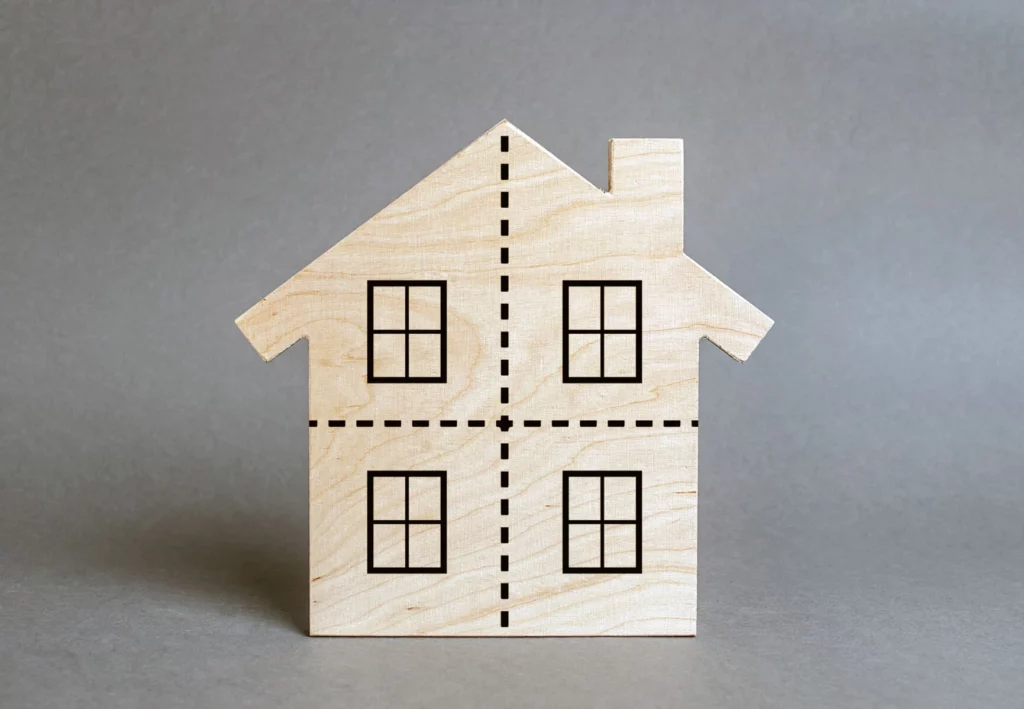
- The physical layout of the property (e.g., a house cannot be split into two equal parts).
- The emotional and financial situation of the co-owners.
Alternatives to a Partition Action
If you don’t want to go through the lengthy process of a partition action, there are alternatives. The simplest and least expensive method is negotiating with the other co-owners. One heir may decide to buy out the other co-owners’ shares, allowing them to gain full ownership.
Selling the property to a third-party buyer is another option. If the other heirs agree, you could sell the property to an outside buyer, and the proceeds would be divided among the heirs.
Steps to Selling Your Share of Inherited Property in Sardinia, NY
Step 1: Review the Will or Estate Plan
Before doing anything, the first step is to review the will or estate plan. This document outlines the decedent’s wishes regarding property distribution. If the will specifically instructs the heirs to sell the property, then the process is straightforward.
If the property is left to multiple heirs, the will might include instructions on how the sale should be handled. In cases where there is no will, the property will follow New York’s intestate succession laws.
Step 2: Get the Property Appraised
The next step in the process is to get an accurate property appraisal. An appraiser will assess the property’s condition, location, and market value to determine its worth.
| Factor | Impact on Value |
|---|---|
| Property condition | Can increase or decrease value |
| Market trends | Rising or falling market |
| Location | Proximity to amenities, infrastructure |
| Legal encumbrances | Existing debts, liens, or unresolved legal issues |
An appraisal will help you understand how much your share is worth and can serve as the basis for selling the property or negotiating a buyout with co-owners.
For a more detailed understanding of the home appraisal process, check out this Zillow Home Appraisal Guide.
Step 3: Negotiate with Other Heirs
If you’re selling your share, you’ll need to negotiate with the other heirs. This is where a real estate attorney can help. They can draft agreements, set terms, and ensure that the transaction is fair to all parties involved. If the heirs agree to sell, you’ll need to come up with a plan for dividing the sale proceeds.
Step 4: Hire a Real Estate Attorney
It’s highly advisable to hire a real estate attorney when dealing with inherited property. A lawyer can:
- Help you navigate the legal intricacies of the sale.
- Ensure that the process complies with state and local laws.
- Resolve disputes between heirs and handle the paperwork involved in the sale.
Step 5: Complete the Sale
Once all negotiations are in place and all legal documentation is completed, the sale process can be finalized. The closing process involves transferring the title of the property to the buyer and dividing the proceeds according to each heir’s share.
Potential Challenges When Selling Your Share
Disputes Between Heirs
One of the most significant challenges when selling inherited property is disagreement among heirs. Disputes can arise over the value of the property, how to divide the proceeds, or whether the property should be sold at all.
These disputes can delay the sale and lead to a court-ordered partition action, which can be both time-consuming and expensive.
Market Conditions and Property Value
The value of your share in the inherited property is also affected by the local market conditions. If Sardinia, NY, is experiencing a down market, it might be harder to sell the property for the price you desire. Conversely, if the area is booming, you may get a higher offer than expected.
Legal Fees and Costs
The legal fees associated with selling inherited property can add up quickly. If a partition action is necessary or disputes need to be resolved in court, the costs can escalate. Legal fees, appraisal costs, and transaction costs are all things you need to consider when planning to sell.
For a breakdown of typical home selling costs and fees, see this Zillow Guide to Costs to Sell a House.
Can I Sell My Share to a Third Party?
How to Sell to a Third Party
Selling to a third-party buyer can be the quickest and simplest way to offload your share. However, all co-owners must agree to the sale, as each heir has a legal claim to the property.
If you manage to get their consent, a third-party sale may proceed much faster than partitioning the property or negotiating a buyout.
Benefits of Selling to a Third Party
- Speed: The sale can happen quickly without waiting for other heirs to agree to sell.
- No Negotiation: You don’t have to negotiate terms with co-owners.
- All Cash: Typically, third-party buyers will offer cash for the property, speeding up the process.
Risks Involved in Selling to a Third Party
- Complications: Even with an agreed-upon sale, the division of the sale proceeds can lead to legal complexities, especially if co-owners are not on the same page.
- Buyer’s Qualification: The buyer must be qualified, and the transaction needs to go smoothly. If the buyer pulls out or fails to secure financing, it could delay the sale.
What Happens if I Can’t Reach an Agreement with Other Heirs?
If the heirs cannot reach an agreement on the sale or other matters related to the property, a partition action may be necessary. This legal process forces the sale of the property or its division, depending on the court’s decision.
The process can take several months, and there’s no guarantee that the property will be divided in a way that satisfies all parties involved.
| Step | Description |
|---|---|
| Filing a Lawsuit | One party files a lawsuit for partition |
| Court Hearing | The court reviews the case and makes a decision |
| Property Division or Sale | The court decides whether to divide the property or sell it |
Tax Implications of Selling Inherited Property
Is There Capital Gains Tax on Inherited Property?
In most cases, capital gains tax doesn’t apply to the sale of inherited property. However, you may be subject to taxes based on the difference between the sale price and the property’s stepped-up basis.
Step-up in Basis
The “step-up in basis” rule adjusts the value of inherited property to its fair market value at the time of the decedent’s death, which could lower your taxable gain. This is crucial because it can reduce or eliminate capital gains tax when selling the property.
For detailed information on capital gains tax and inherited property, check out the official IRS Guide on Capital Gains and Inherited Property.
Frequently Asked Questions (FAQs)
Q1: Can I sell my share of inherited property without the consent of other heirs?
You can sell your share through a partition action if the other heirs disagree. However, it’s typically more efficient to negotiate a buyout or sell the property together.
Q2: How do I calculate the value of my share of inherited property?
You’ll need to get the property appraised by a professional. This will give you an accurate value for your share based on market conditions and property condition.
Q3: What if my co-heirs don’t want to sell the property?
If co-heirs don’t want to sell, you may need to negotiate a buyout or file for a partition action to force the sale.
Q4: Are there tax consequences when selling inherited property in Sardinia, NY?
While there is typically no capital gains tax on inherited property, you may owe taxes based on the property’s sale price and the stepped-up basis.
Conclusion
Selling your share of inherited property in Sardinia, NY, can be a complex process, but understanding your rights, the legal steps involved, and the potential challenges can make the process much easier. Whether you choose to sell to a third party, negotiate a buyout, or pursue a partition action, it’s important to have a clear understanding of the process and seek professional guidance.
At Shamrock Home Buyers, we are here to assist you every step of the way, ensuring that your interests are protected and that the sale of your share goes smoothly. Our team of experts can help navigate the complexities of inherited property, offering support with everything from legal consultations to property evaluations.
If you’re ready to move forward with selling your share of inherited property, don’t hesitate to reach out to Shamrock Home Buyers for personalized guidance and assistance throughout the entire process. Let us help you make informed decisions and ensure a smooth and efficient transaction.