

Selling a house that needs major repairs can feel daunting. Maybe the roof leaks, the foundation has cracked, the plumbing’s outdated — problems like these can scare away typical buyers or derail a standard sale. But the good news is: you can still sell — even quickly — if you choose the right path. For homeowners in Sardinia, NY, there are several viable options to turn a distressed property into cash or a sale. This guide walks you through everything you should know: from understanding the challenges, to preparing a seller disclosure, choosing the right sale method, pricing smartly, and marketing effectively.
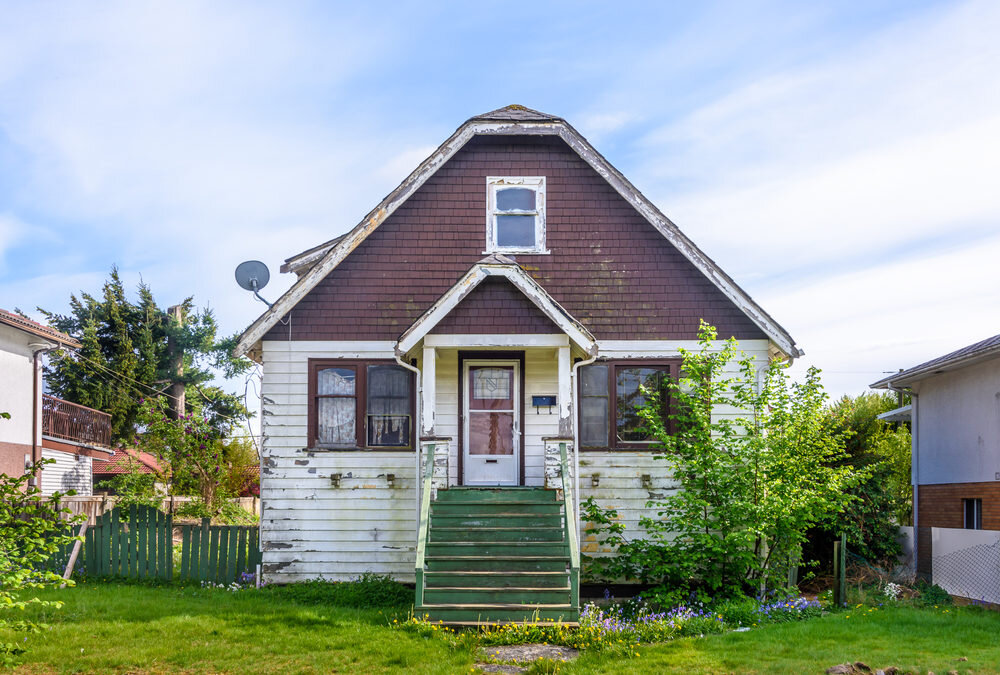
Whether you want a fast cash sale or hope to attract buyers willing to renovate, this article gives you a structured, step‑by‑step roadmap.
Understanding the Challenges of Selling a House That Needs Major Repairs
What “Major Repairs” Really Means
“Major repairs” can cover a wide range of issues — from structural problems to essential system failures. Examples include:
- Foundation damage or cracks in walls/floor — issues compromising structural integrity.
- Roof leaks or roof damage.
- Plumbing problems: old or damaged pipes, water damage, leaks, outdated septic or sewage systems.
- Electrical problems / outdated wiring.
- HVAC failures or outdated heating/cooling systems.
- Water damage, mold, or groundwater problems.
- Hazardous materials: lead paint (especially in older houses), asbestos, or other environmental hazards.
- Outdated or unsafe layouts, systems that fail to meet current codes.
Such defects significantly affect the marketability, safety, and financing options for your home.
Why Selling a Fixer-Upper Can Be Difficult
- Smaller buyer pool: Many buyers — especially those using mortgages — prefer move-in–ready homes. Lenders may balk at financing properties needing major work.
- Lower offers: Buyers or investors will adjust their offers downward to account for repair costs and risks.
- Disclosure requirements & liability: As seller, you must fully disclose what you know about defects, or risk liability if a buyer later discovers undisclosed issues.
- Longer sales process (if traditional route): If you go with a realtor and try to sell on the open market, you may need to invest time and money — for repairs, staging, inspections — which eats into profit and may delay sale.
But despite these challenges, many distressed homes still sell — often through buyers/investors who specialize in “fixer-uppers,” or via “as‑is” sale.
Options for Selling a Home That Needs Major Repairs
When you decide to sell a house in need of major repairs, there are several paths to consider. Each has pros and cons, depending on your priorities (speed, price, convenience).
| Option | What It Involves | Pros | Cons |
|---|---|---|---|
| Sell “As-Is” (no repairs) — often to cash buyers or investors | You list the house in its current condition, without doing repairs or upgrades. Buyer takes on renovation responsibility. | Fast sale; no repair costs; minimal prep; often fewer contingencies. | Lower offer than market value; limited buyer pool; may need steep discount for buyer risks. |
| Sell to a Cash Buyer/Real-Estate Investor | Buyer uses cash (or private funds) rather than mortgage financing — often ready to buy “as-is.” | Fast closing (often within days to a few weeks); no mortgage delays; less need for inspections or lender demands. | Likely discounted sale price; buyer may negotiate further after inspection; not “full market value.” |
| Traditional Sale With a Realtor (after Repairs or as-is) | Either (a) make repairs to bring house to marketable condition or (b) list as-is but with realtor and full listing process. | Potential for higher sale price; broader exposure to typical buyers; with repairs — home may fetch near-market value. | Repair costs + time; fees/commissions; slower sale; risk buyer inspections & renegotiations. |
| Auction or Investor Auction Sale | Selling the property quickly at auction or via investor-network auction. | Fast process, sometimes competitive bidding among investors; you don’t need to invest in repairs. | Sale price unpredictable; may end lower than desired; less time to review offers; fewer contingencies. |
For a comprehensive guide on selling a house “as-is” in New York, you can refer to HomeLight’s “Selling a House As-Is in NY”. This guide covers the nuances of the process, including disclosure requirements, pros and cons, and what sellers should expect during the sale.
Steps to Selling a Home That Needs Major Repairs in Sardinia, NY
Step 1: Assess the Condition of the Property
- Walk through the home and compile a detailed list of issues: structural, roof, plumbing, electrical, hazardous materials, cosmetic vs. major defects.
- If possible — consider a pre‑listing inspection, or at least an informal evaluation by a qualified contractor or home‑inspector. This helps you understand the real cost and risks and avoid surprises later. Many experts recommend a pre-listing inspection for fixer‑uppers.
- Separate repairs into “essential for safety/stability” vs. “cosmetic or optional.”
Step 2: Check Legal and Disclosure Requirements (New York State)
- In New York State, sellers are required to complete a Property Condition Disclosure Statement for residential real property — one- to four-family dwellings.
- This disclosure requires you to reveal known defects: structural issues, plumbing/electrical problems, hazardous materials (like lead paint, asbestos, mold), flood risk, history of damage or repairs, and other material defects.
- If you fail to disclose known defects, you risk liability — especially if you attempt to “hide” issues.
- For older houses (pre‑1978), federal law may also require lead paint hazard disclosure.
Takeaway: Be thorough and honest. Completing the disclosure early protects you — and builds trust with buyers.
For more information on disclosure requirements in New York, refer to Nolo’s Property Condition Disclosure.
Step 3: Decide — “Repair & Sell” or “Sell As-Is”
Here’s how to figure out what makes sense for your situation:
Ask yourself:
- Do I have time and money for repairs before sale?
- Will the repairs significantly increase the sale price?
- Do I need a fast sale (e.g. due to relocation, debts, inheritance, etc.)?
- Do I mind accepting a lower offer in exchange for speed and convenience?
When repairing might make sense:
- If the cost of repairs is modest relative to the expected increase in sale price. According to real‑estate experts, certain updates (kitchens, bathrooms, cosmetic fixes) often deliver high return‑on‑investment (ROI), while major structural repairs may not always pay off.
- If your goal is to reach a broader pool of traditional buyers who use financing.
When selling as-is may be better:
- If repairs are very costly, time-consuming, or require permits/inspections.
- If you need to sell quickly or avoid further investment.
- If you accept a lower sale price in exchange for convenience and speed. Many homeowners in distress — financial pressure, inheritance, job relocation, etc. — choose this route.
Step 4: Estimate the Right Price — Adjusted for Repairs
To price a house needing repairs realistically:
- Start with comparable properties (“comps”) — look at recent sales of similar houses in Sardinia (size, age, location), ideally those in good condition.
- Estimate repair costs — ideally using quotes from contractors, or at least realistic estimates. Include structural, systems (plumbing, electrical), hazardous remediation (mold, lead), cosmetic updates, etc.
- Calculate a “discount” or “repair-adjusted value.” For many sellers, that means offering the home at ~10–20% below comparable fully-renovated homes — though exact discount depends on extent of repairs. Industry guides often mention this range for distressed properties.
- Factor in market conditions and buyer type: cash buyers and investors expect a discount to justify their renovation risk; traditional buyers may only consider the home if repairs are addressed or discounted heavily.
Example Pricing Estimate (simplified):
- Comparable renovated house in the area: $250,000
- Estimated cost of major repairs: $40,000
- Adjusted asking price: ~$200,000 – $220,000 (depending on demand, speed, and rehab risk)
Step 5: Decide Whether to Do Minimal Cosmetic or Safety Repairs
Even if you’re selling as‑is, some small, inexpensive fixes can improve buyer perception — without a major investment. Consider doing:
- A deep clean and declutter — even in a fixer-upper, cleanliness matters.
- Address obvious safety issues (e.g., broken windows, non-functioning smoke detectors, basic plumbing or wiring that’s hazardous). Some buyers — or at least cash buyers — may still want a minimum level of safety.
- Basic staging or even just clear, honest photos showing the property condition plus potential (“fixer-upper with good bones”) — helps attract investors who see value.
Step 6: Choose How to Sell — Cash Buyer, Realtor, or Auction
Based on your assessment and priorities:
- Cash Buyer / Investor: If you want speed and minimal hassles, this is usually the most straightforward. Investors often skip appraisals and mortgages, can close fast, and buy “as-is.”
- Realtor / Traditional Market: If you repair the house, or accept a lower price but want a broader buyer pool, listing with a realtor could get you better value. But sale may take longer — and costs (repairs, commissions) add up.
- Auction / Investor Auction Sale: Good if you want fast sale and don’t mind some unpredictability on final price. Often appealing to investors who want to flip or rehab quickly.
How to Market a House in Need of Major Repairs — Attract the Right Buyers
When selling a distressed property, success often depends on marketing and setting the right expectations. Here’s how to approach it:
A. Be Transparent — List as “Fixer‑Upper / As‑Is / Needs Work”
- In your listing description, clearly state that the home needs repairs or is being sold as-is. Don’t hide major defects — honesty builds trust and weeds out buyers who expect move-in-ready condition. This transparency often attracts investors or rehab-focused buyers.
- Provide your disclosure paperwork early — many serious buyers (especially investors) want to know upfront what they’re getting into.
B. Use Good — but Honest — Photos + “Potential” Angle
- Take photos that clearly show both problem areas and the overall structure/space. For example: wide-angle shots of rooms, layout, property exterior, framing, roof/yard area.
- If possible, show “before and after inspiration” (e.g., comparable renovated homes, similar fixes) to help buyers envision potential.
- Highlight strengths: big lot size, good location in Sardinia, land value, layout, or any salvageable features (original hardwood, solid framing, good foundation, large yard, neighborhood amenities). Many investors look for “good bones” even in fixer‑uppers.
C. Target the Right Buyer Types
- Real‑estate investors & flippers — They expect to do work, and they value “as-is” deals with room for profit.
- DIY buyers / Handy homeowners — People willing to take on renovations themselves, often for a lower price.
- Buyers looking for land value or secondary structures — In some cases, the land itself — or the potential redevelopment of the property — might attract buyers regardless of the house condition.
- Use marketing channels such as investor‑oriented listing sites, “fixer-upper” Facebook groups, real‑estate investor networks, local classifieds, auction sites.
D. Be Strategic With Listing Price and Terms
- Price slightly below what a fully renovated comparable would fetch — but high enough to leave margin for repairs (see above on pricing).
- Offer transparent terms: “as-is,” no repairs, buyer responsible for inspection, no warranties. This can filter the right buyers.
- Consider adding any inspection reports, or estimates (if you got quotes) to help investors evaluate cost vs. value.
- Be open to negotiations — many cash buyers will negotiate down further after their own inspections.
Legal and Financial Considerations When Selling in Sardinia, NY
Disclosure Obligations Under New York Law
- In New York State, a seller of a one‑ to four‑family home must either complete the standard Property Condition Disclosure Statement or pay a $500 credit at closing instead of disclosing.
- The disclosure must include any known material defects — structural problems, plumbing/electrical defects, hazardous materials (lead paint, asbestos, mold), water damage, flood history, unpermitted work, septic issues, etc.
- Even if you’re selling “as-is,” you cannot legally conceal known problems. If you actively conceal or misrepresent defects, you risk legal liability — especially if the buyer later suffers damages due to undisclosed defects.
- For homes built before 1978, federal law requires lead paint disclosures. Sellers must inform buyers of any potential lead hazards in the home. For more details about the lead paint disclosure law, check out the EPA’s Lead Paint Disclosure Page.
Buyers’ Right to Inspect / Contingencies
- Many buyers — even cash buyers — may still want to inspect the property before closing. Be prepared for inspection contingencies, renegotiation of price, or buyer walk‑aways.
- Some buyers may ask for repair credits or renegotiated terms after inspection reveals issues. That’s common with distressed properties.
Costs & Trade‑offs: Speed vs. Sale Price
- Selling as-is often means accepting a lower offer than you’d get if the house were renovated or in good condition. Many guides estimate offers at 10–20% below market value for houses requiring significant work.
- On the other hand: you save time, avoid investment in repairs, avoid ongoing expenses (mortgage, taxes, utilities, maintenance), and avoid uncertainties involved in renovation projects.
- For many sellers — especially those under time pressure (relocation, debts, probate, inheritance, etc.) — speed and certainty outweigh a higher sale price.
The Benefits of Selling a House That Needs Major Repairs (When Done Right)
Quick Cash Sale & Fast Closing
One of the biggest advantages of selling a distressed property — especially to a cash buyer or investor — is speed. Traditional sales can take weeks or months; as‑is cash sales can sometimes close within 7–10 days.
Avoid Upfront Repair Costs & Effort
Major repairs — structural fixes, roof replacement, system upgrades — are often expensive, time‑consuming, and risky. By selling as-is, you avoid the hassle, cost, and risk of dealing with contractors, permits, inspections, delays.
Less Stressful & More Predictable Process
Selling as-is simplifies things: fewer contingencies, no need to coordinate renovations, no need to keep paying mortgage or maintenance while you repair. For sellers in challenging circumstances (relocation, inheritance, financial pressure, health, etc.), this simplicity can be invaluable.
Attracting Investors & Buyers Who Value Potential — Not Perfection
Some buyers are specifically looking for “fixer-uppers” — investors who want to flip homes, landlords seeking rental properties, or DIY homeowners wanting a project. Selling to these buyers can unlock value that wouldn’t exist for typical buyers.
Common Questions and Concerns (FAQs)
Q: Can I sell my house if it has major foundation issues or structural problems?
A: Yes — but you must disclose those issues. Selling “as-is” does not exempt you from disclosing known defects. For severely compromised structures, some buyers may walk away, but investors seeking properties with potential may still be interested — if the price accounts for repair costs.
Q: Will I get a fair price if I sell as-is?
A: “Fair” depends on your expectations. Typically, as-is homes go for 10–20% below market value — but you avoid repair costs and sell fast. If you factor in time savings, reduced stress, and avoided expenses, it can still be reasonable.
Q: Is it legal to sell a house “as-is” in New York even with major issues?
A: Yes — as long as you properly complete the required disclosure (or opt for the $500 credit at closing) under the state’s PCDA law, and you do not hide known defects.
Q: Can I sell directly to a cash buyer without a realtor?
A: Yes — many investors and cash‑buyer companies purchase houses directly from owners, often without requiring traditional real estate agents. This can simplify and speed up the process.
Q: Should I at least do some minor repairs (cleaning, decluttering, basic fixes) before listing?
A: If you have time and minimal cost, yes — doing a deep clean, decluttering, and addressing obvious hazards will make the property more attractive, even “as-is.” It can help attract a better quality of buyer (investor or DIY‑oriented) and may improve your offer price.
Why Selling a House That Needs Major Repairs Makes Sense — Especially in Sardinia, NY
Living in a smaller town like Sardinia (or similar upstate NY communities) gives your distressed property unique selling points:
- Land & Location Value: Even if the house needs work, the land, lot size, surroundings, or neighborhood might appeal — especially for buyers looking to renovate or rebuild.
- Investor Demand: Investors often target areas where property values may grow over time — even if the house needs work now. If the local real estate market shows growth or potential, a fixer-upper can become a worthwhile investment.
- Affordability & Opportunity: For cash buyers or DIY homeowners, fixer-uppers offer a chance to purchase below market value and either renovate for profit or customize to their liking.
- Speed & Convenience for Seller: If you’re under time pressure — due to moving, financial needs, inheritance, or other reasons — selling as-is or to a cash buyer offers a fast, fuss-free solution.
Conclusion
Selling a house that needs major repairs — especially in Sardinia, NY — isn’t easy, but it’s absolutely possible. What matters is making informed decisions: assessing your home’s condition, understanding the legal disclosure requirements, estimating realistic prices, choosing the right selling strategy, and marketing to the right buyers.
Whether you choose to repair before sale, or go the “as-is” cash‑buyer route, each path comes with trade-offs. Selling as-is means accepting a discount — but you save time, effort, and avoid upfront costs. Repairing and listing traditionally might fetch a higher price — but only if you’re prepared to invest in improvements.
For many homeowners with distressed properties, time pressures, or limited funds, selling as-is to a cash buyer or investor is the most practical, stress-free route. With transparency, realistic pricing, and targeted marketing, you can turn a problematic, repair‑heavy house into a clean sale and cash — without the headache of managing costly renovations. If you’re considering selling your property in Sardinia, NY, Shamrock Home Buyers is here to guide you through the process, ensuring a smooth and hassle-free experience.