

A distressed property can create difficult decisions, especially when repairs, unpaid taxes, title problems, tenants, code violations, or an urgent deadline are involved.
However, a distressed house is not automatically unsellable. Buffalo homeowners may repair the property before listing, complete only essential work, list it as-is, or sell directly to a local cash buyer.
The right path depends on the property’s condition, your available time and money, the legal or financial issues affecting it, and how much work and uncertainty you are prepared to manage.
Quick Answer
You can sell a distressed house in Buffalo without completing every repair first. A traditional listing may provide broader market exposure and a potentially higher gross price, while an as-is listing or direct cash sale may reduce preparation and financing demands. Compare net proceeds, contract terms, timing, and responsibilities before choosing.
What Is a Distressed House?
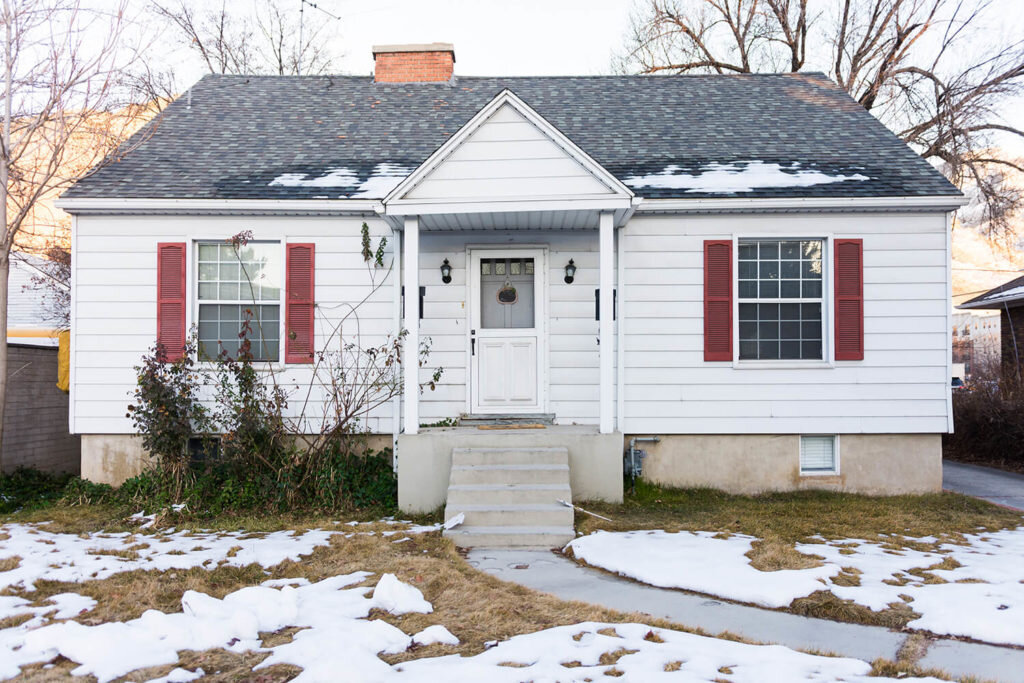
“Distressed house” is a broad real estate term. It can describe a property affected by physical damage, financial pressure, ownership complications, occupancy issues, or municipal concerns.
A property may be distressed because it has:
- Roof, foundation, plumbing, or electrical problems
- Fire, water, mold, or freeze-related damage
- Years of deferred maintenance
- Heavy clutter or cleanout needs
- Active code violations
- Unpermitted work or open permits
- Unpaid mortgages, taxes, judgments, or liens
- Probate or inherited ownership
- Tenants and unresolved lease issues
- Vacancy, vandalism, or insurance concerns
- A foreclosure or tax-sale deadline
Distress does not always mean a house is abandoned or unsafe. A property may appear livable but still be difficult to finance, insure, show, transfer, or manage.
For a broader overview, review your options for selling a distressed house in Buffalo, NY.
Why Buffalo Distressed Properties Need Careful Planning
Buffalo has many older single-family houses, upper-and-lower doubles, duplexes, and small rental properties. Common concerns may include aging boilers, older electrical service, basement moisture, masonry deterioration, roof leaks, frozen plumbing, and deferred exterior maintenance.
An older house can still have significant value. The challenge is identifying which problems are cosmetic, which may affect safety or financing, and which title or municipal matters must be addressed.
Vacant houses need extra attention during Western New York winters. A heating failure, leaking roof, or frozen water line can quickly worsen existing damage. Tenant-occupied doubles may involve leases, security deposits, showing access, and responsibility for belongings.
Four Ways to Sell a Distressed House in Buffalo
| Selling method | May be best when | Main advantage | Main limitation |
|---|---|---|---|
| Repair and list traditionally | The house has strong retail potential and you can fund the work | Broader exposure and potentially stronger gross price | Requires money, contractors, showings, inspections, and financing |
| Complete targeted repairs and list as-is | A few improvements could make the house safer or easier to finance | Limits renovation spending while preserving market exposure | Buyers may still inspect, negotiate, or cancel |
| List fully as-is with an agent | You want open-market exposure without renovating | May attract investors, landlords, or renovation buyers | Showings, contingencies, and financing may remain |
| Sell directly to a cash buyer | You prioritize simplicity, limited preparation, or a flexible timeline | No buyer mortgage approval and often fewer repair demands | The offer reflects condition, repairs, resale expenses, and risk |
A cash buyer is not automatically the best choice. Read cash buyer vs. real estate agent for a distressed Buffalo house before deciding.
Can You Sell a Distressed House As-Is?
Yes. Selling as-is generally means the seller does not agree in advance to renovate the property simply to prepare it for sale.
You may list the house as-is through an agent, market it yourself, or sell directly. An as-is contract can reduce repair commitments, but it does not make mortgages, liens, ownership disputes, tenant rights, disclosure duties, or municipal concerns disappear.
New York uses a Property Condition Disclosure Statement for applicable residential transactions. The current form took effect July 1, 2025. Review the New York Department of State’s disclosure resources and ask a New York attorney what applies to your transaction.
Read how to sell a distressed house as-is in Buffalo, NY for more detail.
Should You Repair Before Selling?
Repairs may be worthwhile when the work is clearly defined, financially manageable, and likely to increase net proceeds enough to justify the investment.
Cleaning, painting, repairing a handrail, or correcting one limited plumbing problem may improve a fundamentally sound property. A major renovation may be less practical when the house needs several connected projects, such as roof replacement, structural work, electrical replacement, a new boiler, mold remediation, or extensive permit work.
Obtain written estimates from qualified contractors and include permits, cleanup, utilities, insurance, taxes, professional fees, and possible change orders.
The important question is whether repairs will improve your net proceeds enough to justify the cost, delay, and project risk.
Use Should You Repair a Distressed House Before Selling It in Buffalo, NY? and How to Sell a House That Needs Major Repairs in Buffalo, NY before starting work.
Calculate Net Proceeds, Not Just the Sale Price
A repaired listing price and a direct cash offer represent different selling paths.
Estimated Traditional-Sale Proceeds
Expected sale price, minus:
- Repairs and cleanup
- Agent compensation
- Attorney and closing expenses
- Seller concessions
- Taxes, utilities, insurance, and maintenance
- Additional mortgage payments
- Inspection or appraisal adjustments
Estimated Direct-Sale Proceeds
Written purchase price, minus:
- Seller expenses stated in the contract
- Mortgage payoff
- Taxes, liens, and judgments
- Attorney or title expenses that remain your responsibility
Also consider the workload. Coordinating contractors, maintaining a vacant house, arranging tenant access, and managing a remote sale can require substantial time.
Common Distressed-Property Situations
Vacant Distressed Houses
A vacant Buffalo house may continue accumulating taxes, insurance, utilities, security, snow-removal, and maintenance costs. It may also face frozen plumbing, vandalism, undetected leaks, or insurance restrictions.
Secure the house, maintain suitable insurance, monitor heat and plumbing, and arrange regular checks. Read How to Sell a Vacant Distressed House in Buffalo, NY.
Distressed Rentals With Tenants
A rental can be sold with tenants, but the sale does not automatically end a tenancy.
Gather leases, rent records, security-deposit information, notices, utility arrangements, and inspection records. Do not change locks, interrupt utilities, remove belongings, or promise vacant possession without legal guidance.
Review the New York Attorney General’s tenant guide and Selling a Distressed Rental Property With Tenants in New York State.
Inherited Distressed Houses
An inherited house may involve deferred repairs, several heirs, estate debts, unpaid taxes, or unclear authority to sell.
Review the deed, will, death certificate, trust documents, and estate status. Being an heir does not automatically provide authority to sign a contract or deed.
The Erie County Surrogate’s Court handles local estate matters. Read How to Sell an Inherited Distressed House in Buffalo, NY.
Code Violations
A physical defect, official violation, open permit, and title lien are different issues.
Obtain the complete notice, identify the condition cited, confirm deadlines, and determine whether reinspection, permits, fines, or corrective work are involved.
Buffalo’s Permit and Inspection Services and District Inspections Office provide relevant information.
Read How to Sell a House With Code Violations in Buffalo, NY.
Liens and Title Problems
The Erie County Clerk records deeds, mortgages, judgments, liens, and other property interests. Public records can help, but they do not replace a professional title examination.
Some debts may be paid from closing proceeds. Others require releases, corrected documents, creditor cooperation, probate authority, or court action.
Read Selling a House With Liens or Title Problems in New York State.
Back Property Taxes
Back taxes do not always prevent a sale, but the current balance and foreclosure status must be confirmed.
When enough equity exists, unpaid taxes may sometimes be paid from the seller’s proceeds. Review Erie County Real Property Tax Services resources and obtain a current payoff.
Read How to Sell a House With Back Property Taxes in Buffalo, NY.
How to Sell a Distressed House in Buffalo: Step by Step
1. Identify Every Type of Distress
Separate physical repairs from title, tax, estate, tenant, permit, and code issues. Each may require a different solution.
2. Confirm Your Deadline
Determine whether your timeline is based on preference or an outside deadline involving relocation, tax enforcement, probate, foreclosure, or continued deterioration.
3. Gather Documents
Collect deeds, mortgage statements, tax notices, leases, code notices, probate documents, insurance records, permits, repair estimates, and relevant court papers.
4. Obtain Realistic Opinions
Depending on the situation, request:
- Contractor estimates
- An as-is opinion from a local agent
- Attorney or title guidance
- Tax and lien payoffs
- One or more written cash offers
5. Compare Selling Paths
Compare estimated net proceeds, upfront investment, timing, contingencies, workload, and the risk that the transaction will not close.
6. Investigate Direct Buyers
Ask whether the buyer will purchase the house directly, whether the contract can be assigned, whether proof of funds is available, and when the price may change.
Review the earnest-money deposit, inspection rights, cancellation rights, seller-paid costs, closing professional, possession date, and agreement about belongings.
7. Review the Contract
A New York real estate attorney should review the agreement and explain the seller’s obligations, contingencies, assignment language, title requirements, and closing expenses.
8. Complete Title and Closing Work
Respond promptly to requests for payoff statements, estate papers, lien releases, tenant records, and municipal information. A ready buyer cannot close until required title and transfer issues are handled.
For urgent situations, read Need to Sell a Distressed House Fast in Buffalo, NY? Start Here.
A Realistic Buffalo Distressed-Property Example
Consider an owner who inherits an older Buffalo double.
One unit is vacant and has freeze-related plumbing damage. The other contains a tenant with several months remaining on a written lease. The roof is aging, and preliminary title work reveals unpaid taxes and an old judgment.
A full renovation and traditional listing might produce the highest gross price, but that path requires the owner to confirm estate authority, coordinate the tenant, repair the plumbing and roof, maintain the building, and resolve the title issues.
An as-is agent listing could preserve market exposure, but financing and access may affect the timeline. A direct buyer may accept the repairs and tenancy, although the offer will account for the work, title risk, carrying expenses, and resale needs.
The owner should compare realistic net proceeds, responsibilities, and contract terms—not only the highest quoted price.
Common Mistakes to Avoid
- Assuming every distressed property must be sold for cash
- Starting major repairs without comparing net proceeds
- Treating an as-is sale as permission to conceal known problems
- Ignoring tenants, leases, or security deposits
- Waiting until a tax or foreclosure deadline is close
- Comparing a cash offer with a renovated retail value
- Relying on verbal promises about price, fees, or closing
- Signing without reviewing assignment and cancellation rights
- Assuming liens or violations will resolve automatically
- Choosing a buyer based only on the headline offer
Frequently Asked Questions About Selling a Distressed House in Buffalo, NY
Can I sell a distressed house as-is in Buffalo, NY?
Yes. You can list the house as-is or sell directly to a buyer willing to accept its current condition. Title, tax, tenant, disclosure, and municipal issues may still require attention.
Should I repair a distressed house before selling it?
Repairs may be worthwhile when the work is affordable and likely to increase net proceeds. Compare repair estimates with as-is sale options before spending money.
Is a cash buyer or real estate agent better for a distressed Buffalo house?
An agent may be better when the property can attract traditional buyers. A cash buyer may be more practical when repairs, occupancy, privacy, or timing are major concerns.
Can I sell a Buffalo house with liens or title problems?
Possibly. Some liens can be paid from sale proceeds, while others require releases, corrected documents, creditor cooperation, or legal action.
Can I sell a house with back property taxes in Buffalo, NY?
Often, yes. Back taxes may be paid through closing when the property has enough equity. Confirm the current payoff and whether foreclosure proceedings have started.
Can I sell a distressed rental property with tenants in New York?
Yes, but the sale remains subject to the lease, tenant rights, security-deposit rules, access requirements, and applicable New York law.
Can I sell an inherited distressed house during probate?
It may be possible, but the person signing must have legal authority. The process depends on the deed, will, estate status, surviving owners, and court requirements.
How quickly can a distressed house sell in Buffalo?
A straightforward cash sale may close faster than a financed sale, but no fixed timeline applies. Probate, liens, tenants, taxes, title defects, and code issues can cause delays.
Do I have to remove everything before selling?
Not always. Some direct buyers allow furniture and ordinary belongings to remain. Confirm in writing whether vehicles, chemicals, fuel, hazardous materials, or regulated waste must be removed.
Compare a Direct As-Is Offer With Your Other Selling Options
A distressed house does not have to be perfect before it can be sold.
Begin by understanding its physical condition, title, taxes, occupancy, municipal records, and any outside deadline. Then compare repairing, listing as-is, and selling directly based on likely net proceeds and responsibilities.
Shamrock Home Buyers purchases properties directly in Buffalo and throughout Western New York. Its home-buying process includes sharing property information, completing a walkthrough, receiving a written cash offer, and selecting an agreed closing date.
If avoiding a major renovation, public showings, or buyer mortgage approval is important, request a no-obligation cash offer and compare it with your other options.
Disclaimer: This article provides general homeowner education and is not legal, tax, financial, construction, environmental, landlord-tenant, foreclosure, or real estate advice. Requirements vary by property, municipality, lender, court, contract, and transaction. Consult the appropriate qualified professional.