

Owning a distressed property can be an overwhelming experience. Many homeowners in Clarence, NY, face the same dilemma when their home is damaged, outdated, or financially burdensome: should they invest time and money into renovating the property, or sell it as-is to a cash buyer? Making the wrong decision can result in wasted resources, lost opportunities, or financial strain. This guide dives deep into every aspect of this decision, providing homeowners with detailed insights, comparisons, examples, and step-by-step strategies to help make the most informed choice.
Understanding a Distressed Property
What is a Distressed Property?
A distressed property is any residential home that has fallen below optimal condition, either due to physical damage, neglect, or financial difficulties. These properties often require repairs or updates to meet current market standards. In Clarence, NY, distressed properties can range from older homes that have outdated electrical, plumbing, or roofing systems, to homes damaged by storms, flooding, or mold.
Distressed properties may also carry financial complications, including foreclosure, unpaid property taxes, or liens. For homeowners, this creates a complex situation where the decision to renovate or sell must account for both physical and financial factors. Understanding the specific type and severity of distress is critical in choosing the most effective solution.
For a comprehensive overview of the steps involved in dealing with distressed properties — including renovation planning and contractor considerations — see this 10‑step guide for selling a distressed property by Homes.com.
Common Causes of Property Distress
Distressed properties rarely become so by accident. There are multiple reasons a property may fall into this category, each of which impacts the homeowner’s ability to renovate or sell. Some of the most common causes include:
- Financial hardship: Many homeowners experience sudden financial strain due to job loss, medical bills, or other unexpected expenses. This often results in deferred maintenance or inability to pay mortgages.
- Divorce or family emergencies: Life changes can force homeowners to sell quickly, leaving little time or resources for renovations.
- Deferred maintenance: Homes that have not been properly maintained over the years can develop structural issues, plumbing or electrical problems, and cosmetic deterioration.
- Market fluctuations: A decline in local property values may discourage homeowners from investing in renovations that may not recoup their cost.
- Natural events or damage: Storms, floods, fires, and mold infestations can significantly increase repair costs, making the property harder to sell in traditional markets.
By understanding why a property is distressed, homeowners in Clarence, NY, can assess the urgency of selling or the feasibility of renovating, helping to minimize financial risk.
Renovating Your Distressed Property
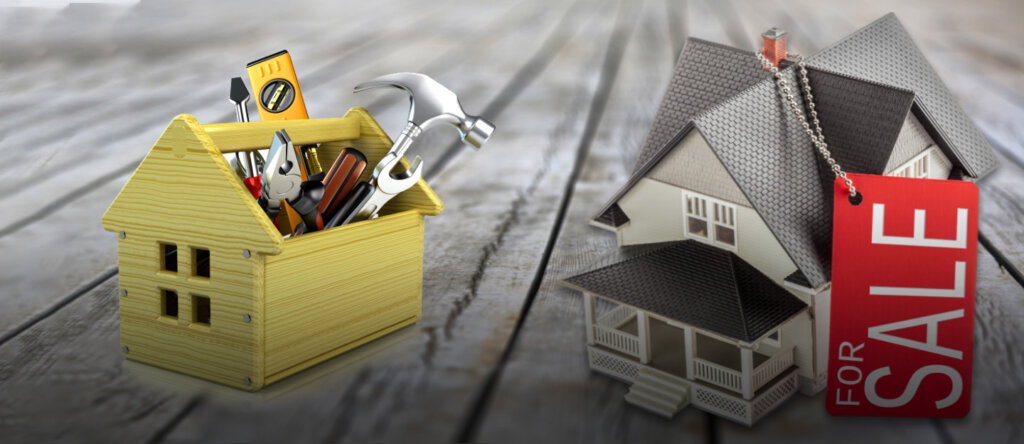
Renovating a distressed property can transform it into a high-value asset. However, it also requires careful planning, financial investment, and time. Understanding both the advantages and potential pitfalls of renovation is critical before committing.
Advantages of Renovation
Renovating a distressed property offers several significant benefits, particularly when executed strategically:
- Increase Property Value: Renovations often increase the overall value of a property. Updating kitchens, bathrooms, flooring, or roofing can transform a home into a competitive listing that appeals to modern buyers. In Clarence, NY, even modest renovations can significantly improve the property’s marketability due to local buyer expectations.
- Potential Profit: While renovations require upfront costs, the potential return on investment can be substantial. Well-planned upgrades, particularly in high-demand neighborhoods, can allow homeowners to sell at a higher price than the purchase or current market value.
- Personal Satisfaction: For homeowners planning to remain in the property, renovations improve comfort, functionality, and aesthetic appeal. Enhancing living spaces can increase daily enjoyment and long-term property satisfaction.
- Neighborhood Appeal: Renovations not only improve the individual property but can also positively affect surrounding homes, contributing to neighborhood stability and property value appreciation.
Risks and Challenges of Renovation
Despite the advantages, renovating a distressed property comes with significant risks and challenges:
- High Costs: Renovation expenses can escalate quickly, especially when unexpected issues arise, such as hidden water damage, foundation problems, or outdated wiring.
- Time Commitment: Depending on the scope of the renovation, projects can take weeks to months. Delays can occur due to contractor availability, permit processing, or supply shortages.
- Market Uncertainty: Even with high-quality renovations, there is no guarantee that property values will rise enough to cover the costs. Market fluctuations in Clarence, NY, can impact the final resale value.
- Stress and Oversight: Managing multiple contractors, ensuring quality work, and keeping to a schedule can be mentally and physically taxing.
Tip: Homeowners should carefully evaluate the financial impact before deciding to renovate. For a detailed comparison of renovation costs versus selling as-is, you can refer to this helpful guide: Cost of Renovating vs Selling As-Is. This resource outlines typical expenses, timelines, and potential ROI for both options, making it easier to make an informed decision.
Renovation Cost Overview
Careful budgeting is essential for deciding whether to renovate. The following table outlines common renovations for distressed properties in Clarence, NY, along with estimated costs and potential value increase:
| Renovation Type | Estimated Cost in Clarence, NY | Potential Value Increase |
|---|---|---|
| Kitchen Remodel | $15,000 – $35,000 | $20,000 – $40,000 |
| Bathroom Upgrade | $8,000 – $15,000 | $10,000 – $18,000 |
| Roof Replacement | $10,000 – $20,000 | $12,000 – $25,000 |
| Exterior Painting | $4,000 – $8,000 | $5,000 – $10,000 |
| Flooring & Carpets | $3,000 – $7,000 | $4,000 – $9,000 |
These figures are approximate and can vary depending on materials, contractor rates, and the extent of repairs required. Accurate estimates allow homeowners to calculate potential ROI and compare it against selling a distressed property as-is.
Homeowners considering renovation should review realistic return expectations before committing to major upgrades. For a detailed breakdown of which improvements deliver the highest returns, see this trusted resource on ROI home improvement projects.
Selling Your Distressed Property As-Is
Selling a property as-is can be an attractive option for homeowners who need immediate cash or want to avoid the stress of renovations. This approach has its own advantages and limitations.
Advantages of Selling As-Is
Selling without renovations offers several benefits:
- Quick Cash: Unlike traditional sales that require preparation and showings, selling as-is can close in days or weeks, providing immediate financial relief.
- Reduced Stress: There’s no need to coordinate contractors, handle repairs, or manage project timelines. The sale process is simplified, leaving homeowners free to focus on other priorities.
- Avoid Carrying Costs: Property taxes, insurance, utility bills, and mortgage payments accumulate while a home waits for renovations or traditional sales. Selling as-is can eliminate these ongoing costs.
- Flexibility: Many cash buyers in Clarence, NY, specialize in purchasing homes in any condition, including properties with liens, code violations, or structural damage.
Risks of Selling As-Is
Despite the benefits, selling a home without renovations has potential drawbacks:
- Lower Sale Price: Properties sold as-is often fetch less than homes that have been updated or repaired. Buyers factor in the cost and effort of necessary repairs.
- Limited Buyer Pool: Some buyers may avoid properties in poor condition, limiting competition and potentially reducing offers.
- Potential Regret: Homeowners may wonder if a renovation could have yielded a higher profit, especially if the market appreciates after a sale.
Selling Options and Timelines
The method of selling as-is affects both the speed and proceeds from the sale. The following table summarizes common selling strategies in Clarence, NY:
| Selling Option | Typical Timeline in Clarence, NY | Pros | Cons |
|---|---|---|---|
| Traditional Sale | 60–120 days | Higher potential price | Repairs and showings required |
| Sell to Cash Buyer | 7–30 days | Fast sale, as-is accepted | Lower offer than market price |
| Auction | 30–60 days | Competitive bidding | Uncertain final price |
Selling as-is is often ideal for homeowners facing financial strain, urgent relocation, or costly repairs that outweigh potential ROI.
Factors to Consider: Renovate or Sell
Deciding whether to renovate or sell requires evaluating several critical factors. Each factor can significantly influence the outcome of your decision.
Financial Considerations
- Budget for Renovations: Homeowners must determine whether they have the funds to cover necessary repairs. Costs can escalate quickly if hidden problems are uncovered during the process.
- Potential Profit vs. Quick Sale: Calculate the return on investment for renovation against offers from cash buyers. This comparison helps determine whether the additional profit justifies the effort and risk.
- Carrying Costs: Homeownership involves ongoing expenses, including mortgage, insurance, property taxes, and utility bills. Renovation timelines increase these costs, which can impact net profits.
Market Conditions
- Local Real Estate Trends: Understanding the current market in Clarence, NY, is crucial. Is it a seller’s market with rising property values, or a buyer’s market where homes sit unsold?
- Buyer Preferences: If buyers are actively seeking move-in-ready homes, renovations may be necessary to compete. Conversely, a market with investors seeking distressed properties may favor selling as-is.
Time and Effort
- Availability: Renovations require oversight. Homeowners with full-time jobs, families, or other commitments may find it challenging to manage contractors or projects.
- Urgency: If relocation or financial relief is urgent, selling as-is may be the most practical choice.
Property Condition
- Structural Issues: Foundation, roofing, plumbing, or electrical problems can be expensive to repair and may tip the scale toward selling as-is.
- Aesthetic vs. Major Repairs: Cosmetic upgrades, such as painting or flooring, are easier to manage, whereas structural repairs require specialized expertise.
- Legal Compliance: Some repairs may be legally required before selling a home traditionally, adding to renovation complexity.
Decision-Making Framework
A structured approach helps homeowners make informed decisions. Follow these steps:
Step 1: Calculate Renovation ROI
- List all necessary repairs and upgrades.
- Estimate costs accurately using contractor quotes and market data.
- Compare estimated expenses against potential resale value.
Step 2: Compare With Quick Sale Offers
- Obtain offers from cash buyers.
- Factor in savings on repairs, carrying costs, and time.
- Compare net proceeds with potential profits from renovation.
Step 3: Evaluate Time and Stress Tolerance
- Renovations require project management, problem-solving, and patience.
- Selling as-is eliminates these challenges, providing peace of mind and faster access to cash.
Step 4: Factor in Market Conditions
- Strong markets favor renovation for higher profits.
- Weak markets often make quick sales safer and more reliable.
Decision Table Example
| Factor | Renovate | Sell As-Is |
|---|---|---|
| Cost | High upfront, potential high return | Low upfront, lower return |
| Time | Weeks to months | Days to weeks |
| Stress Level | High | Low |
| Market Risk | High if market dips during renovation | Low |
| Potential Profit | Higher if successful | Lower, guaranteed |
Alternatives to Full Renovation
Even if a full renovation isn’t feasible, other strategies may maximize value or simplify the selling process:
Partial Renovation
- Focus on high-impact areas such as kitchens, bathrooms, or flooring.
- Reduces renovation costs while improving appeal and resale value.
- Example: Painting, new fixtures, or cabinet refinishing can significantly increase home attractiveness without major structural investment.
Lease-to-Own
- Renting the property while waiting for market improvement allows homeowners to generate income.
- This approach provides flexibility and avoids the immediate pressure to sell.
- Investors may also consider lease-to-own arrangements as a way to eventually purchase at market value.
Partner with Investors
- Co-investing with investors reduces personal financial burden.
- Investors may also purchase homes as-is for cash, offering an option that combines quick sale with potential for shared renovation gains.
Pros and Cons Recap: Renovate vs. Sell
Renovate
Pros:
- Higher potential profit
- Increased property value
- Personal satisfaction and livability improvements
Cons:
- High upfront costs
- Time-consuming and labor-intensive
- Market uncertainty
Sell As-Is
Pros:
- Quick cash with minimal stress
- Avoid carrying costs
- Simple and fast transaction process
Cons:
- Lower sale price compared to renovated property
- Limited buyer pool
- Potential for regret if the market appreciates after sale
Frequently Asked Questions (FAQs)
Q1: Can I sell my distressed property in Clarence, NY if it has liens or back taxes?
Yes. Many cash buyers in Clarence, NY purchase homes with liens or back taxes, allowing you to sell quickly without handling repairs or financial complications.
Q2: How long does it take to renovate a distressed house in Clarence, NY?
Renovation timelines vary: minor cosmetic updates may take a few weeks, while major repairs like roofing or structural work can take several months.
Q3: Does selling my distressed property as-is lower my closing costs in Clarence, NY?
Yes. Selling as-is can reduce expenses for repairs, inspections, and staging, making the closing process faster and less costly.
Q4: Are cash home buyers in Clarence, NY trustworthy?
Reputable cash buyers provide transparent offers, quick closings, and clear terms. Always check credentials and reviews before selling.
Q5: How much profit can I expect from renovating a distressed property in Clarence, NY?
Profit depends on renovation costs, property condition, and local market trends. Accurate estimates help ensure renovation is financially worthwhile.
Q6: Should I renovate or sell my distressed house fast in Clarence, NY?
If you have time and funds, renovation can increase value. For quick cash or minimal stress, selling as-is is often the better choice.
Conclusion
Choosing whether to renovate or sell a distressed property in Clarence, NY, requires careful evaluation of financial factors, market conditions, time, and property condition. Renovation can offer higher profits and personal satisfaction if you have the resources, time, and patience. Selling as-is provides speed, simplicity, and relief from carrying costs.
At Shamrock Home Buyers, we help homeowners in Clarence, NY, make the best decision for their situation. Whether you are considering renovations or prefer a fast cash sale, Shamrock Home Buyers offers guidance, support, and fair solutions to ensure you maximize the value of your distressed property. By partnering with Shamrock Home Buyers, you can make an informed choice that provides financial relief, peace of mind, and a smooth home-selling experience.