

Selling a fixer‑upper can feel overwhelming — especially if your home needs serious repairs or updates before it’s “move‑in ready.” But for many homeowners in Hamburg, NY, a fixer‑upper is not a burden — it’s an opportunity. Whether you’re relocating, dealing with unexpected life changes, or simply ready to move on, a fixer‑upper doesn’t have to drag out or become a long, stressful real‑estate ordeal.
In fact, with the right approach, you can sell “as‑is,” bypass costly renovations, and appeal to investors, flippers, DIY‑enthusiasts, or cash buyers who are looking for properties with potential. This article walks you through everything you need to know to sell a fixer‑upper in Hamburg — from evaluating conditions, weighing the repair vs. as‑is decision, pricing smartly, marketing effectively, to closing quickly.
What Is a “Fixer‑Upper”?
Definition
A “fixer‑upper” refers to a property that needs significant work — whether structural repairs, system updates (electricity, plumbing), cosmetic renovations (paint, flooring), or a full overhaul. Typically, its current state is well below move‑in ready, but the underlying structure or “bones” of the home may still hold potential.
Common Characteristics of Fixer‑Uppers
- Structural issues: foundation cracks, sagging floors, roof or framing problems
- Outdated or malfunctioning systems: plumbing, wiring, HVAC, water damage, outdated fixtures
- Cosmetic issues: old flooring, plaster/wall damage, dated kitchens/bathrooms, outdated windows or exterior finish
- Overall “neglected” appearance — but often with potential (lot size, layout, location).
Because of these issues, a fixer‑upper requires more than a fresh coat of paint: it demands time, effort, and sometimes, a budget for repairs.
Why Sell a Fixer‑Upper in Hamburg, NY?
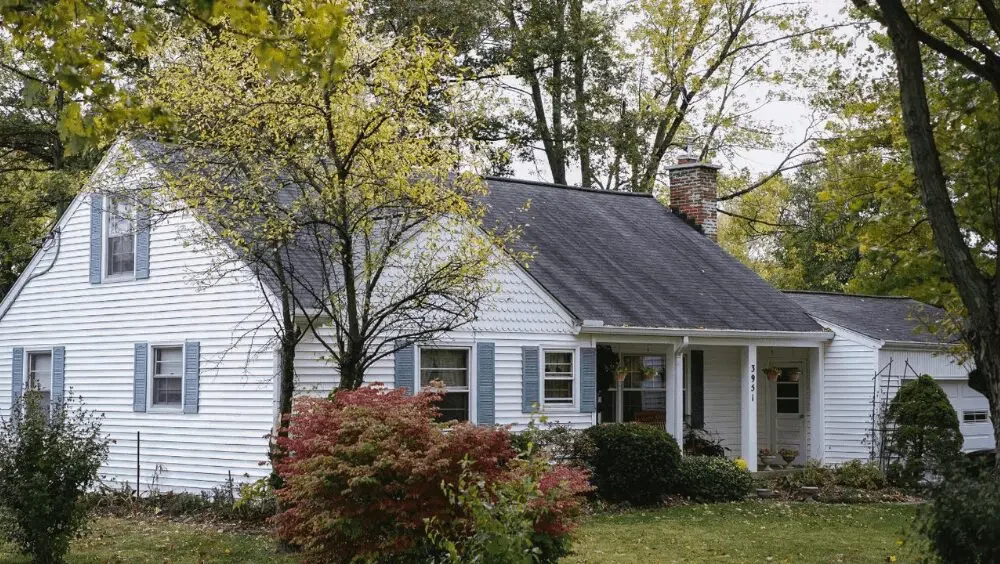
Selling a fixer‑upper in Hamburg can make sense — and often, the benefits outweigh the risks. Here’s why:
Local Market & Buyer Demand for Fixer‑Uppers
Although each market shifts over time, in many parts of New York state — including suburban and small‑town areas like Hamburg — there remains a demand for homes that buyers can renovate themselves or buyers/investors who prefer to buy below market price and fix up for resale or rental. Real estate investors frequently look for “distressed” or “as‑is” properties because they offer the potential for value‑added returns.
Moreover, for certain buyers — first‑time homeowners, DIY‑enthusiasts, or budget‑conscious buyers — a fixer‑upper offers a lower entry price plus the chance to customize and renovate to their taste. Learn more about real estate investment strategies, check out this guide on Investopedia.
Benefits of Selling a Fixer‑Upper
- Sell “As‑Is” Without Renovation Hassles: You skip the time, cost, and stress of doing major repairs. Many buyers of fixer‑uppers are ready to take on renovations themselves.
- Faster Sales with Cash Buyers or Investors: Because many investors pay cash and don’t require traditional financing (which lenders often avoid for properties needing heavy repairs), the sale process tends to be faster and simpler.
- Avoid Up‑front Costs: You don’t need to invest thousands into repairs, cleaning, staging, or upgrades. You can save money — and pass the “project” along to the buyer.
- Attract a Unique Buyer Pool: Investors, flippers, DIY‑buyers — people actively looking for project homes — may see more value in a fixer‑upper than a turnkey home.
Given these advantages, many homeowners find selling a fixer‑upper to be the most practical and efficient exit strategy.
Should You Fix the Property Before Selling or Sell As‑Is?
One of the most important decisions when selling a fixer‑upper is whether to make repairs (or at least cosmetic improvements) or sell the property as-is. Both approaches have tradeoffs.
Considerations
- Cost vs. Benefit: Major repairs — roof replacement, structural fixes, plumbing — can get expensive. Before investing, consider whether these improvements would significantly raise your sale price or attract a larger buyer pool.
- Time & Effort: Renovations take time, planning, labor, and sometimes permits. If you want a fast sale, repairs might significantly delay things.
- Buyer Expectations in Hamburg/NY Market: The local buyer pool may include investors or DIY‑enthusiasts who expect to handle renovations themselves. For them, an as‑is sale may be more appealing.
- Current Market Dynamics: If there’s high demand for cheaper homes or rehab opportunities, selling as-is may be favorable. If buyers are expecting turnkey ready homes, repairs might yield better returns.
When You Might Consider Doing Some Repairs or Updates
- If your fixer-upper just needs cosmetic or minor updates (paint, flooring, cleaning), inexpensive changes could make the home more appealing without a big investment. Even small improvements can enhance the appeal and help avoid deterring potential buyers.
- If buyers in your area expect some livable condition or if comparable recently sold properties had basic renovations.
When Selling As‑Is Makes More Sense
- If major structural issues or costly repairs are required (foundation, roof, plumbing/electrical overhaul — making repairs would demand high cost). In such cases, selling as-is avoids the investment while attracting investors/open‑house buyers ready to take on a project.
- If you want a fast sale — cash buyers and investors are often willing to close quickly when buying as-is.
- If you don’t want to manage contractors, permits, or renovation logistics.
For a more comprehensive understanding of selling a home as-is, check out Bankrate’s guide to selling your house as-is, which covers the process, pros, and cons of selling as-is.
The Step‑by‑Step Process to Sell a Fixer‑Upper in Hamburg, NY
Here’s a practical, step-by-step guide to selling your fixer-upper:
Step 1: Assess the Condition of Your Property
- Walk through every corner of the house — inside and outside. Note structural issues (foundation, roof, water damage), plumbing/electric concerns, current fixtures, cosmetic wear and tear.
- Consider getting a professional inspection — especially if structural or safety issues exist. Knowing full well what needs work helps with transparency when marketing and avoids surprises.
- Document everything: photos, notes, list of issues, and any previous repairs or maintenance records. Buyers and investors often appreciate honesty and completeness.
Step 2: Decide — “Repair (Partial or Full)” vs “Sell As‑Is”
Use the considerations above (cost vs benefit, time, market expectations) to decide whether to:
- Do minimal cosmetic updates (cleaning, painting, decluttering) — often worth it for presentation.
- Do major repairs (rarely beneficial unless the return on investment is high).
- Sell as-is — a valid, often preferable route if time, budget, or buyer type favor speed and simplicity.
Step 3: Set the Right Price (Smart Pricing Strategy)
Pricing a fixer‑upper correctly is arguably the most important factor for a successful sale.
How to Price
- Research comparable properties (comps) — particularly recently sold homes in Hamburg/nearby, but also comparable fixer‑uppers (i.e. similar condition). This helps you understand realistic market value.
- Factor in cost of needed repairs, and reflect that in a discount compared to fully renovated homes. Homes needing significant repairs often sell for substantially less than turnkey properties.
- Be realistic and competitive: overpriced fixer‑uppers tend to linger on the market, which makes them less attractive and gives buyers leverage for lower offers.
- If possible — consider consulting a real estate professional or appraiser for an unbiased valuation, especially given the complexities of a fixer‑upper.
Step 4: Market the Property Effectively — Target the Right Buyer
Fixer‑uppers often attract a different crowd than move-in ready homes. Your marketing should reflect that.
Key Selling Points to Emphasize
- Potential & “Blank Canvas”: Emphasize the possibility of customizing the home, remodeling, or reimagining the space. Many buyers see fixer‑uppers as opportunities rather than problems.
- Lot Size / Location / Lot Features: If the land is good — large yard, desirable neighborhood — make it a highlight. Good location plus potential can appeal strongly to investors and DIY‑buyers.
- Flexibility: Sale as-is, quick closing, no contingencies — many cash buyers value this convenience.
- Affordability for Buyers: Compared to renovated homes, a lower entry price is attractive to investors, flippers, first-time buyers, and those ready for renovation work.
Where / How to Advertise
- Online listing platforms popular in New York (MLS, local real estate sites, social media). Many investors and flippers browse there.
- Highlight clearly and honestly the condition of the property. Disclose major issues to avoid surprises. Transparency builds trust and avoids renegotiations later.
- Include good photos — even if the home is a fixer‑upper, decent photos help buyers visualize its potential. Consider before/after renderings or “possible renovation ideas” to spark imagination.
- Market directly to investors, real estate flippers, and cash buyers. These audiences are generally more open to fixer‑uppers with repair needs.
Step 5: Disclose Issues — Be Honest and Transparent
When selling a fixer‑upper, honesty is not just ethical — it’s strategic. Disclose known structural problems, past damages (water, pests), and any other defects. Several sources agree that being transparent upfront builds credibility and helps avoid buyer renegotiations or last‑minute surprises.
Providing a pre-sale inspection report or list of issues can even speed up the process and attract serious buyers who appreciate clarity.
Step 6: Work with Professionals — “Fixer‑Upper Friendly” Agents or Buyers
Because selling a fixer‑upper tends to differ from a standard home sale, working with professionals who have experience in distressed properties or as-is sales may help:
- A real estate agent familiar with fixer‑uppers can connect you to investors, flippers, or buyers looking for project homes.
- If working with cash buyers, companies, or investors — ensure they are reputable, and vet them properly (reviews, past deals, transparency). This reduces risk and increases chances of a clean, quick sale.
Common Challenges When Selling a Fixer‑Upper
Selling a fixer-upper can be rewarding — but it’s not without hurdles. Being aware of potential challenges helps you plan better and avoid pitfalls.
Lower Offers & Discounted Sale Price
Because buyers need to account for repair costs — structural, cosmetic, or systems — offers are often lower than expected. This discount reflects the risk and investment required by the buyer.
Smaller Pool of Buyers
Not all buyers are willing to take on a “project.” Many prefer move-in ready homes, limiting your market mainly to investors, flippers, or those comfortable with renovation. This reduces competition for your property.
Financing Difficulties for Buyers
Traditional buyers using mortgage financing may face issues: lenders often hesitate to approve loans for houses needing major repairs, because of safety, habitability, or appraisal requirements. That means many buyers will likely need to be cash buyers or investors comfortable with renovation risk.
Time on Market and Negotiations
If priced too high or not marketed to the right audience, a fixer-upper can stay on the market for a long time. Buyers may negotiate heavily, request credits or concessions, or demand repairs — especially if defects were not disclosed earlier.
Pros and Cons of Selling a Fixer‑Upper “As‑Is” in Hamburg, NY
| Pros | Cons |
|---|---|
| Sell quickly — especially to cash buyers or investors | Reduced sale price vs turnkey home |
| Avoid time & cost of repairs and renovations | Smaller pool of potential buyers (mostly investors/DYI buyers) |
| Minimal upfront investment or stress | Financing options for buyers may be limited (many need cash) |
| Appeal to buyers seeking project‑homes | Risk of extended time on market if not priced or marketed properly |
Who Typically Buys Fixer‑Uppers in Hamburg, NY?
Understanding who your likely buyers are helps tailor your marketing and set realistic expectations. Typical buyers of fixer‑uppers include:
- Real Estate Investors & Flippers — Investors looking to rehab properties and sell for profit or rent them out. They often value properties below market price and expect to invest in renovations.
- DIY Enthusiasts / Handy Home‑buyers — Individuals or families who are willing and able to renovate themselves, often to customize the home to their tastes while saving money on initial purchase price.
- First-Time or Budget‑Conscious Buyers — Buyers who may not afford fully renovated homes but are willing to take on work in exchange for lower upfront cost.
- Cash Buyers Looking for Quick Deals — Buyers who prioritize speed and flexibility over condition, often investors or buyers who intend to renovate or resell.
By understanding this buyer mix, you can shape your listing and marketing to appeal directly to the right audience.
Tips To Sell a Fixer‑Upper Quickly in Hamburg, NY
If you’re aiming for speed — maybe you need to relocate, want to avoid holding costs, or simply want a clean sale — here are tactics to help accelerate the process:
- Be Transparent & Honest
- Disclose all known issues.
- Provide documentation (inspection reports, repair history, list of defects).
This builds trust and reduces the risk of renegotiation.
- Price Competitively from the Start
- Use realistic comps and discount for needed repairs.
- Overpricing tends to deter serious buyers and prolong time on market.
- Target Investors, Flippers, Cash Buyers, and DIY‑type Buyers
- Use channels where these buyers look (investment‑oriented real estate listing sites, forums, investor networks).
- Highlight potential rather than current flaws — market the vision.
- Make Minor Cosmetic Improvements — If Affordable and Quick
- Simple improvements like cleaning, decluttering, a fresh coat of neutral paint (interior/exterior), or basic landscaping can improve first impressions and attract more interest — without large investment.
- This helps buyers better visualize the property’s potential, instead of being turned off by immediate visual flaws.
- Work With a Realtor Experienced in Distressed/As‑Is Sales or Fixer‑Uppers
- A specialist agent likely has access to investor/buyer networks.
- They understand valuation nuances — especially when factoring in repairs.
- Flexible Terms or Incentives to Attract Buyers
- Offer quick closing, flexible possession dates, or a discount for cash buyers.
- Sometimes the flexibility matters as much as the price for investors looking for fast deals.
- Learn More About Fast Home Selling
- For a comprehensive guide on how to sell your home quickly, check out Bankrate’s tips, which provide practical steps and insights on speeding up your home sale.
Costs & Considerations When Selling a Fixer‑Upper
Even when selling as-is, there are costs and factors you should consider — to ensure you understand the bottom line.
| Cost/Consideration | What to Expect / Factor In |
|---|---|
| Pricing Discount | Compared with fully renovated homes — often significantly lower. Buyers expect to invest in repairs. |
| Potential Holding Costs | If sale takes time — taxes, utilities, maintenance, lot rent (if applicable), insurance — these accumulate. |
| Cost of Minor Cosmetic Touch‑ups | Optional small investments like cleaning, paint, landscaping — can help with appeal if you choose to do them. |
| Agent / Closing Costs | If using a real estate agent or buyer‑broker — commissions, closing fees, transfer fees, etc. Even in as‑is sales, standard costs apply. |
| Time & Effort | Coordinating showings, inspections, negotiations, and paperwork — still effortful, even if not renovating. |
| Buyer Financing Limitations | Traditional mortgage buyers may not qualify for as-is homes needing major repairs — limiting buyer pool to cash buyers or investors. |
When you weigh these against the benefits (quick sale, no repair investment, avoiding renovation hassle), selling a fixer‑upper as-is still often emerges as a worthwhile option.
Frequently Asked Questions (FAQs)
1. Can I really sell my fixer‑upper “as-is” without doing any repairs?
Yes. It’s quite common to sell a fixer‑upper as-is. Many buyers — especially investors, flippers, cash buyers, or DIY‑enthusiasts — expect to renovate themselves. As long as you price the property fairly and disclose known issues, selling as-is is a valid, often efficient option.
2. Will I get significantly less money selling as-is compared to if I repaired and renovated?
Typically, yes — because buyers factor in the cost (time and money) of needed repairs. Homes needing significant repairs generally sell at a discount relative to comparable renovated homes. The discount reflects the investment required to bring the property up to livable or market-ready condition.
3. How long does it usually take to sell a fixer-upper?
That depends heavily on pricing, marketing, and demand. Fixer‑uppers often attract a smaller, more niche buyer pool (investors, flippers), so they can sell quickly if priced and marketed well. Otherwise, if overpriced or poorly marketed, they may stay on the market for a long time. Realistic expectations and honest disclosure help speed up the process.
4. Do I need a special real estate agent to sell a fixer‑upper?
It’s not mandatory, but recommended. Agents who have experience with distressed properties, as‑is sales, or investors can provide better exposure and match the property with the right buyer — especially investors or buyers specifically searching for fixer‑uppers.
5. Is it better to fix just cosmetic issues (like paint, cleaning) before selling?
Often yes. Minor cosmetic updates — cleaning, decluttering, painting with neutral colors, simple landscaping — can improve first impressions without significant cost. They make the home more appealing and can help avoid scaring away potential buyers. Still, it depends on your budget and timeline.
Final Thoughts & Recommendations
Selling a fixer‑upper in Hamburg, NY doesn’t have to be complicated or fraught with stress — but it does require honesty, smart pricing, and targeted marketing. While some sellers feel pressure to fix up every detail before listing, the reality is that many buyers are searching specifically for fixer‑uppers: investors, flippers, DIY buyers, or cash buyers who want a project.
Here’s a quick checklist before you list with Shamrock Home Buyers:
- Assess and document the property thoroughly (known issues, photos, inspection report).
- Decide whether you’ll repair some aspects (minor or major) or sell as-is.
- Price realistically, factoring in repair needs and fair market value.
- Market to the right audience — investors, flippers, cash buyers, DIY‑buyers.
- Be transparent about condition; include disclosures and known issues.
- Consider a specialist agent experienced in fixer‑upper/as-is sales.
At Shamrock Home Buyers, we understand the complexities of selling a fixer‑upper. Our goal is to help make the process as smooth and efficient as possible, ensuring you get a fair price for your property — whether you decide to make repairs or sell it as-is. Let us assist you in navigating the selling process with confidence, offering guidance and support every step of the way.